
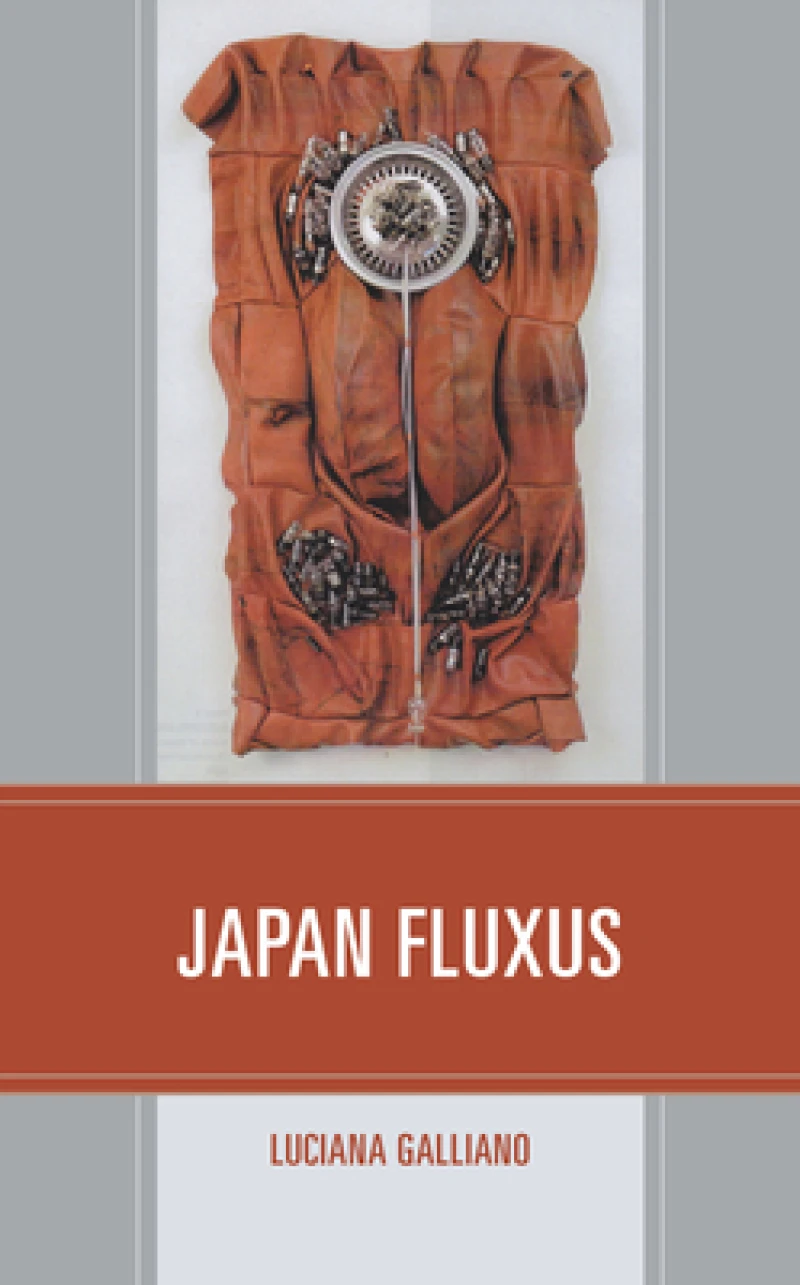
Japan Fluxus
Book Details
Format
Paperback / Softback
ISBN-10
1498578276
ISBN-13
9781498578271
Publisher
Bloomsbury Publishing Plc
Imprint
Lexington Books
Country of Manufacture
GB
Country of Publication
GB
Publication Date
Nov 5th, 2020
Print length
176 Pages
Weight
274 grams
Dimensions
15.20 x 22.90 x 1.20 cms
Product Classification:
The arts: general issuesTheory of music & musicologyLiterature: history & criticismAsian history
Ksh 7,500.00
Manufactured on Demand
0 in stock
Delivery Location
Delivery fee: Select location
Secure
Quality
Fast
This book reinterprets the Fluxus movement focusing on the important and charming contribution of Japanese musicians and artists. It argues they were at the roots of Fluxus in their radical and refined way of making art—whether it was playing, performing, writing, or simply living.
Fluxus was a pivotal movement in redefining art’s role and the artist’s identity in the contemporary world, so that its aesthetics – as well as many of its gimmicks – have become so deeply embedded in our social setting that we now no longer realize where they originally came into being. Fluxus has been described as the most radical and experimental art movement of the 1960s, challenging conventional thinking on art and culture. It had a central role in the birth of such key contemporary art forms as concept art, installation, performance art, intermedia and video. The amount of Fluxus-related scholarly activity has increased since 2009, when New York’s Museum of Modern Art acquired the world’s largest collection of Fluxus works, the Lila and Gilbert Silverman Collection, and this in turn led to a series of exhibitions, first at MoMA and subsequently at other institutions worldwide.
Focusing on Japanese artists involved in Fluxus, the book proposes a new understanding of this movement which, in spite of its anti-academicism, its aversion to authorial identity and the ephemeral character of its output, is “the best documented and best cross-indexed art movement in history,” (Nam June Paik 1994, 77). The book presents postwar Japanese radical avant-garde and the related and highly refined discourse and debate behind it, enlightening crucial if less known aspects of (local) Fluxus history and theory.
Focusing on Japanese artists involved in Fluxus, the book proposes a new understanding of this movement which, in spite of its anti-academicism, its aversion to authorial identity and the ephemeral character of its output, is “the best documented and best cross-indexed art movement in history,” (Nam June Paik 1994, 77). The book presents postwar Japanese radical avant-garde and the related and highly refined discourse and debate behind it, enlightening crucial if less known aspects of (local) Fluxus history and theory.
Get Japan Fluxus by at the best price and quality guaranteed only at Werezi Africa's largest book ecommerce store. The book was published by Bloomsbury Publishing Plc and it has pages.

