
Cart 0
Japan's Nuclear Disaster and the Politics of Safety Governance
Click to zoom

Share this book

Japan's Nuclear Disaster and the Politics of Safety Governance

Book Details

Format Hardback or Cased Book
ISBN-10 1501770047
ISBN-13 9781501770043
Publisher Cornell University Press
Imprint Cornell University Press
Country of Manufacture US
Country of Publication GB
Publication Date Jun 15th, 2023
Print length 277 Pages
Weight 907 grams
Dimensions 22.90 x 15.20 x 2.40 cms
Ksh 7,250.00
Werezi Extended Catalogue 0 in stock

Delivery Location

Delivery fee: Select location

Secure
Quality
Fast
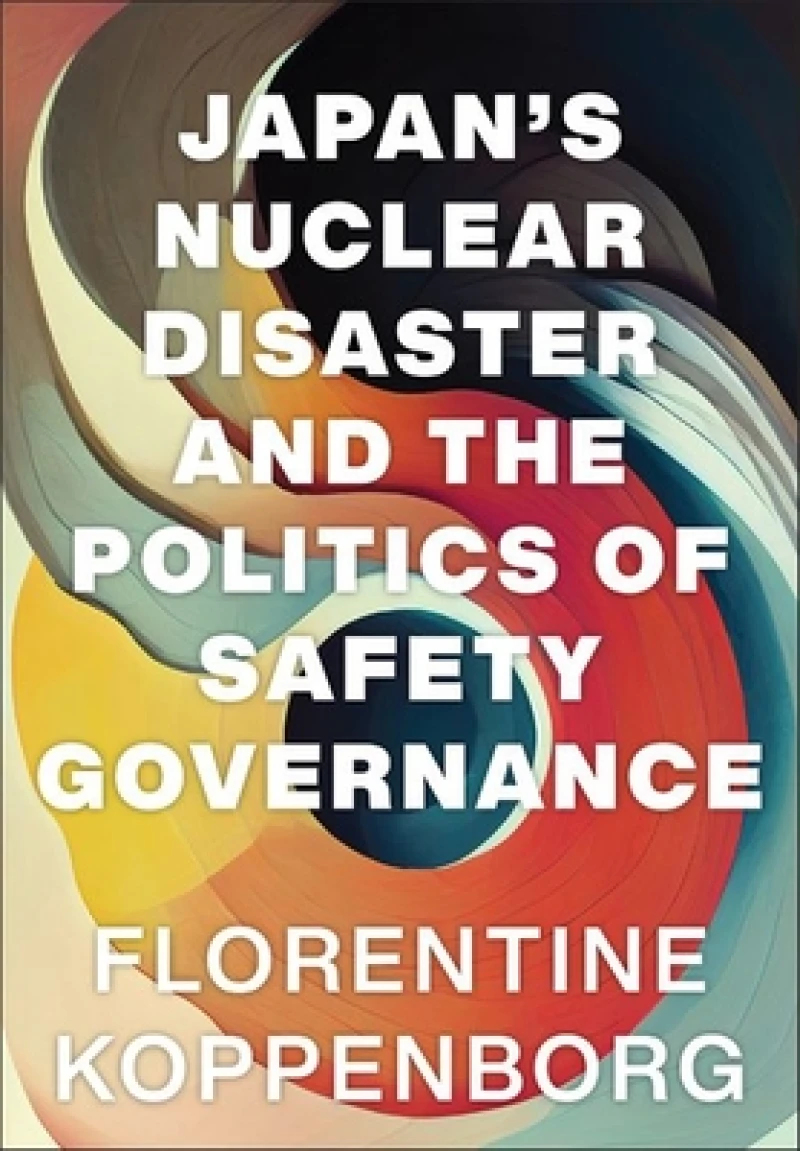
In Japan's Nuclear Disaster and the Politics of Safety Governance, Florentine Koppenborg argues that the regulatory reforms taken up in the wake of the Fukushima disaster on March 11, 2011, directly and indirectly raised the costs of nuclear power in Japan. The Nuclear Regulation Authority resisted capture by the nuclear industry and fundamentally altered the environment for nuclear policy implementation. Independent safety regulation changed state-business relations in the nuclear power domain from regulatory capture to top-down safety regulation, which raised technical safety costs for electric utilities. Furthermore, the safety agency's extended emergency preparedness regulations expanded the allegorical backyard of NIMBY demonstrations. Antinuclear protests, mainly lawsuits challenging restarts, incurred additional social acceptance costs. Increasing costs undermined pronuclear actors' ability to implement nuclear power policy and caused a rift inside the "nuclear village." Small nuclear safety administration reforms were, in fact, game changers for nuclear power politics in Japan. Koppenborg's findings contribute to the vibrant conversations about the rise of independent regulatory agencies, crisis as a mechanism for change, and the role of nuclear power amid global interest in decarbonizing our energy supply.

In Japan''s Nuclear Disaster and the Politics of Safety Governance, Florentine Koppenborg argues that the regulatory reforms taken up in the wake of the Fukushima disaster on March 11, 2011, directly and indirectly raised the costs of nuclear power in Japan. The Nuclear Regulation Authority resisted capture by the nuclear industry and fundamentally altered the environment for nuclear policy implementation. Independent safety regulation changed state-business relations in the nuclear power domain from regulatory capture to top-down safety regulation, which raised technical safety costs for electric utilities. Furthermore, the safety agency''s extended emergency preparedness regulations expanded the allegorical backyard of NIMBY demonstrations. Antinuclear protests, mainly lawsuits challenging restarts, incurred additional social acceptance costs. Increasing costs undermined pronuclear actors'' ability to implement nuclear power policy and caused a rift inside the "nuclear village." Small nuclear safety administration reforms were, in fact, game changers for nuclear power politics in Japan.

Koppenborg''s findings contribute to the vibrant conversations about the rise of independent regulatory agencies, crisis as a mechanism for change, and the role of nuclear power amid global interest in decarbonizing our energy supply.


Get Japan's Nuclear Disaster and the Politics of Safety Governance by at the best price and quality guaranteed only at Werezi Africa's largest book ecommerce store. The book was published by Cornell University Press and it has pages.


Mind, Body, & Spirit

Shopping Cart

Africa largest book store

Sub Total:
Ebooks

Digital Library
Coming Soon

Our digital collection is currently being curated to ensure the best possible reading experience on Werezi. We'll be launching our Ebooks platform shortly.