
Book Details
Format
Hardback or Cased Book
ISBN-10
0764308998
ISBN-13
9780764308994
Edition
Revised & Expanded 2nd Edition
Publisher
Schiffer Publishing Ltd
Imprint
Schiffer Publishing Ltd
Country of Manufacture
CN
Country of Publication
GB
Publication Date
Oct 8th, 1999
Print length
304 Pages
Weight
2,126 grams
Dimensions
31.40 x 23.80 x 2.90 cms
Product Classification:
Antiques & collectables: ceramics & glassCarving & modelling, moulding & casting
Ksh 10,550.00
Werezi Extended Catalogue
0 in stock
Delivery Location
Delivery fee: Select location
Secure
Quality
Fast
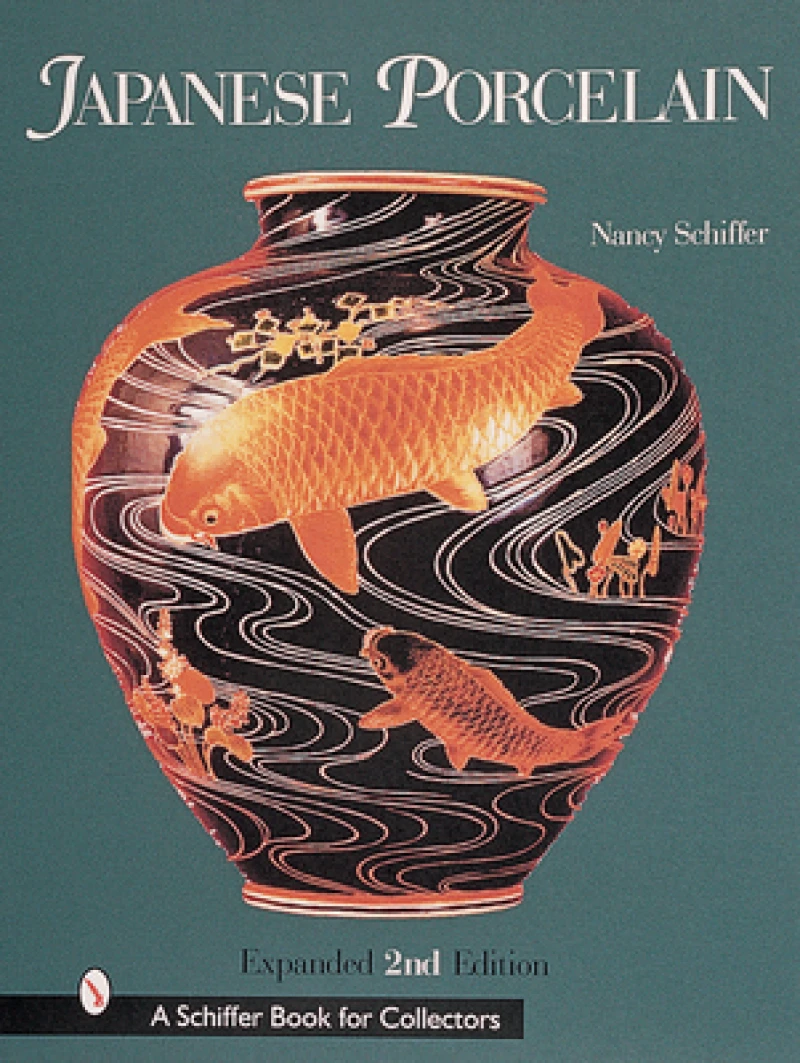
Hundreds of beautiful color pictures and recently-discovered, important information give this new study of 19th and 20th century Japanese porcelain a most refreshing approach. Visual comparisons of the major styles can be made even by the beginning student because there are so many fine color pictures of the examples. Kakiemon, Nabeshima, Arita, Hirado and Fukagawa styles of Imari; Kutani; Satsuma; and known craftsmen''s works are shown in profusion. The European-influenced styles of the mid-20th century such as Nippon, Noritake, and those pieces marked Occupied Japan are presented as trade items necessary for the changing Japanese economy. Fascinating historical and technical background aids in the recognition of each style. Since research continues to add evidence to changing attributions of origins and artists, the author explains both old and new theories and encourages further research. In what is seen as a quickly growing field of collecting, this book stands at the crossroads of scholarship and popularity. Both groups will find information of keen interest and delight in the gorgeous products of the Japanese artistic and commercial communities.
A look at popular Japanese porcelain of the 19th and 20th centuries through over 500 color photos and well researched text. Hundreds of beautiful color pictures and recently-discovered, important information give this new study of 19th and 20th century Japanese porcelain a refreshing approach. Visual comparisons of the major styles can be made even by the beginning student because there are so many fine color pictures of the examples. Kakiemon, Nabeshima, Arita, Hirado and Fukagawa styles of Imari; Kutani; Satsuma; and known craftsmen's works are shown in profusion. The European-influenced styles of the mid-20th century such as Nippon, Noritake, and those pieces marked Occupied Japan are presented as trade items necessary for the changing Japanese economy. Fascinating historical and technical background aids in the recognition of each style. Since research continues to add evidence to changing attributions of origins and artists, the author explains both old and new theories and encourages further research. In what is seen as a quickly growing field of collecting, this book stands at the crossroads of scholarship and popularity. Both groups will find information of keen interest and delight in the gorgeous products of the Japanese artistic and commercial communities.
A look at popular Japanese porcelain of the 19th and 20th centuries through over 500 color photos and well researched text.
Hundreds of beautiful color pictures and recently-discovered, important information give this new study of 19th and 20th century Japanese porcelain a refreshing approach. Visual comparisons of the major styles can be made even by the beginning student because there are so many fine color pictures of the examples.
Kakiemon, Nabeshima, Arita, Hirado and Fukagawa styles of Imari; Kutani; Satsuma; and known craftsmen''s works are shown in profusion. The European-influenced styles of the mid-20th century such as Nippon, Noritake, and those pieces marked Occupied Japan are presented as trade items necessary for the changing Japanese economy. Fascinating historical and technical background aids in the recognition of each style.
Since research continues to add evidence to changing attributions of origins and artists, the author explains both old and new theories and encourages further research. In what is seen as a quickly growing field of collecting, this book stands at the crossroads of scholarship and popularity. Both groups will find information of keen interest and delight in the gorgeous products of the Japanese artistic and commercial communities.
Hundreds of beautiful color pictures and recently-discovered, important information give this new study of 19th and 20th century Japanese porcelain a refreshing approach. Visual comparisons of the major styles can be made even by the beginning student because there are so many fine color pictures of the examples.
Kakiemon, Nabeshima, Arita, Hirado and Fukagawa styles of Imari; Kutani; Satsuma; and known craftsmen''s works are shown in profusion. The European-influenced styles of the mid-20th century such as Nippon, Noritake, and those pieces marked Occupied Japan are presented as trade items necessary for the changing Japanese economy. Fascinating historical and technical background aids in the recognition of each style.
Since research continues to add evidence to changing attributions of origins and artists, the author explains both old and new theories and encourages further research. In what is seen as a quickly growing field of collecting, this book stands at the crossroads of scholarship and popularity. Both groups will find information of keen interest and delight in the gorgeous products of the Japanese artistic and commercial communities.
A look at popular Japanese porcelain of the 19th and 20th centuries through over 500 color photos and well researched text. Hundreds of beautiful color pictures and recently-discovered, important information give this new study of 19th and 20th century Japanese porcelain a refreshing approach. Visual comparisons of the major styles can be made even by the beginning student because there are so many fine color pictures of the examples. Kakiemon, Nabeshima, Arita, Hirado and Fukagawa styles of Imari; Kutani; Satsuma; and known craftsmen's works are shown in profusion. The European-influenced styles of the mid-20th century such as Nippon, Noritake, and those pieces marked Occupied Japan are presented as trade items necessary for the changing Japanese economy. Fascinating historical and technical background aids in the recognition of each style. Since research continues to add evidence to changing attributions of origins and artists, the author explains both old and new theories and encourages further research. In what is seen as a quickly growing field of collecting, this book stands at the crossroads of scholarship and popularity. Both groups will find information of keen interest and delight in the gorgeous products of the Japanese artistic and commercial communities.
Get Japanese Porcelain 1800-1950 by at the best price and quality guaranteed only at Werezi Africa's largest book ecommerce store. The book was published by Schiffer Publishing Ltd and it has pages.

