
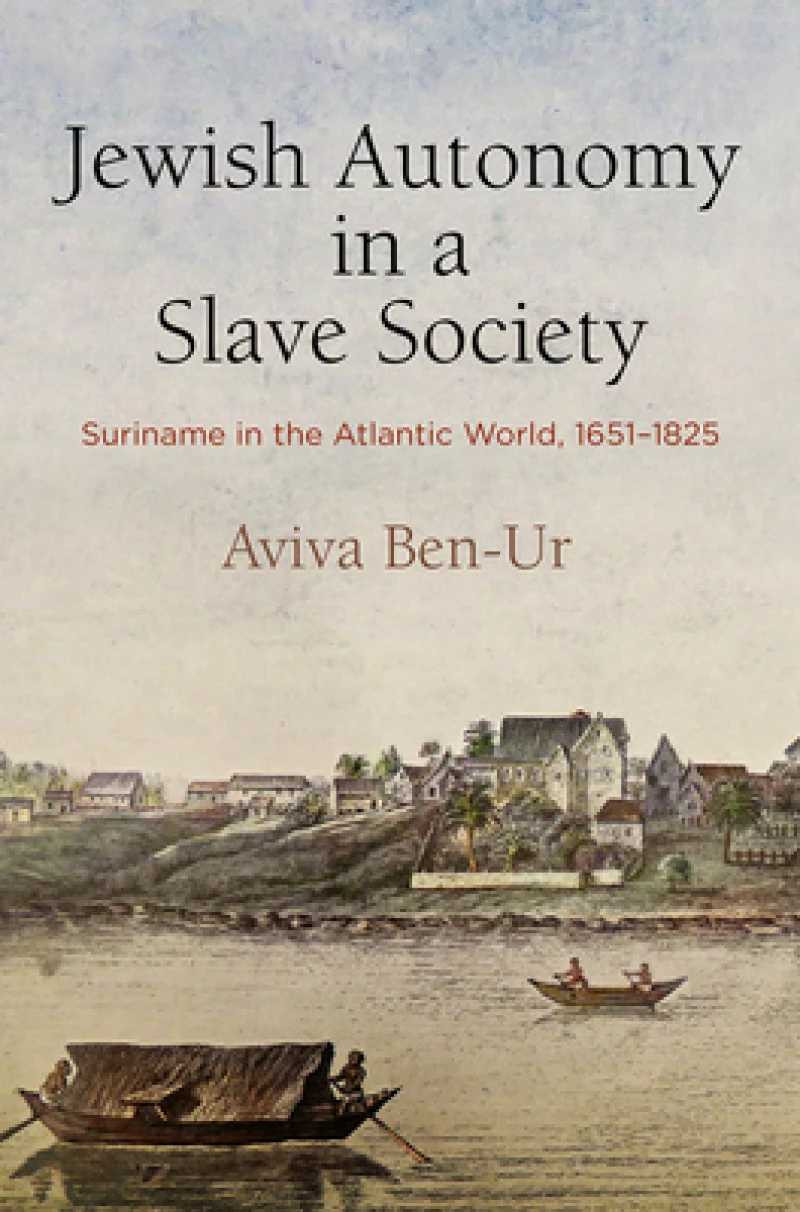
Jewish Autonomy in a Slave Society : Suriname in the Atlantic World, 1651-1825
by
Aviva Ben-Ur
Book Details
Format
Hardback or Cased Book
Book Series
The Early Modern Americas
ISBN-10
081225211X
ISBN-13
9780812252118
Publisher
University of Pennsylvania Press
Imprint
University of Pennsylvania Press
Country of Manufacture
US
Country of Publication
GB
Publication Date
Jun 5th, 2020
Print length
277 Pages
Weight
742 grams
Dimensions
16.20 x 23.60 x 3.40 cms
Product Classification:
History of the AmericasEarly modern history: c 1450/1500 to c 1700Slavery & abolition of slavery
Ksh 10,100.00
Werezi Extended Catalogue
Delivery in 14 days
1 copies in stock
Delivery Location
Delivery fee: Select location
Delivery in 14 days
Secure
Quality
Fast
A fascinating portrait of Jewish life in Suriname from the 17th to 19th centuries Jewish Autonomy in a Slave Society explores the political and social history of the Jews of Suriname, a Dutch colony on the South American mainland just north of Brazil. Suriname was home to the most privileged Jewish community in the Americas where Jews, most of Iberian origin, enjoyed religious liberty, were judged by their own tribunal, could enter any trade, owned plantations and slaves, and even had a say in colonial governance. Aviva Ben-Ur sets the story of Suriname's Jews in the larger context of Atlantic slavery and colonialism and argues that, like other frontier settlements, they achieved and maintained their autonomy through continual negotiation with the colonial government. Drawing on sources in Dutch, English, French, Hebrew, Portuguese, and Spanish, Ben-Ur shows how, from their first permanent settlement in the 1660s to the abolition of their communal autonomy in 1825, Suriname Jews enjoyed virtually the same standing as the ruling white Protestants, with whom they interacted regularly. She also examines the nature of Jewish interactions with enslaved and free people of African descent in the colony. Jews admitted both groups into their community, and Ben-Ur illuminates the ways in which these converts and their descendants experienced Jewishness and autonomy. Lastly, she compares the Jewish settlement with other frontier communities in Suriname, most notably those of Indians and Maroons, to measure the success of their negotiations with the government for communal autonomy. The Jewish experience in Suriname was marked by unparalleled autonomy that nevertheless developed in one of the largest slave colonies in the New World.
Get Jewish Autonomy in a Slave Society by at the best price and quality guaranteed only at Werezi Africa's largest book ecommerce store. The book was published by University of Pennsylvania Press and it has pages.

