
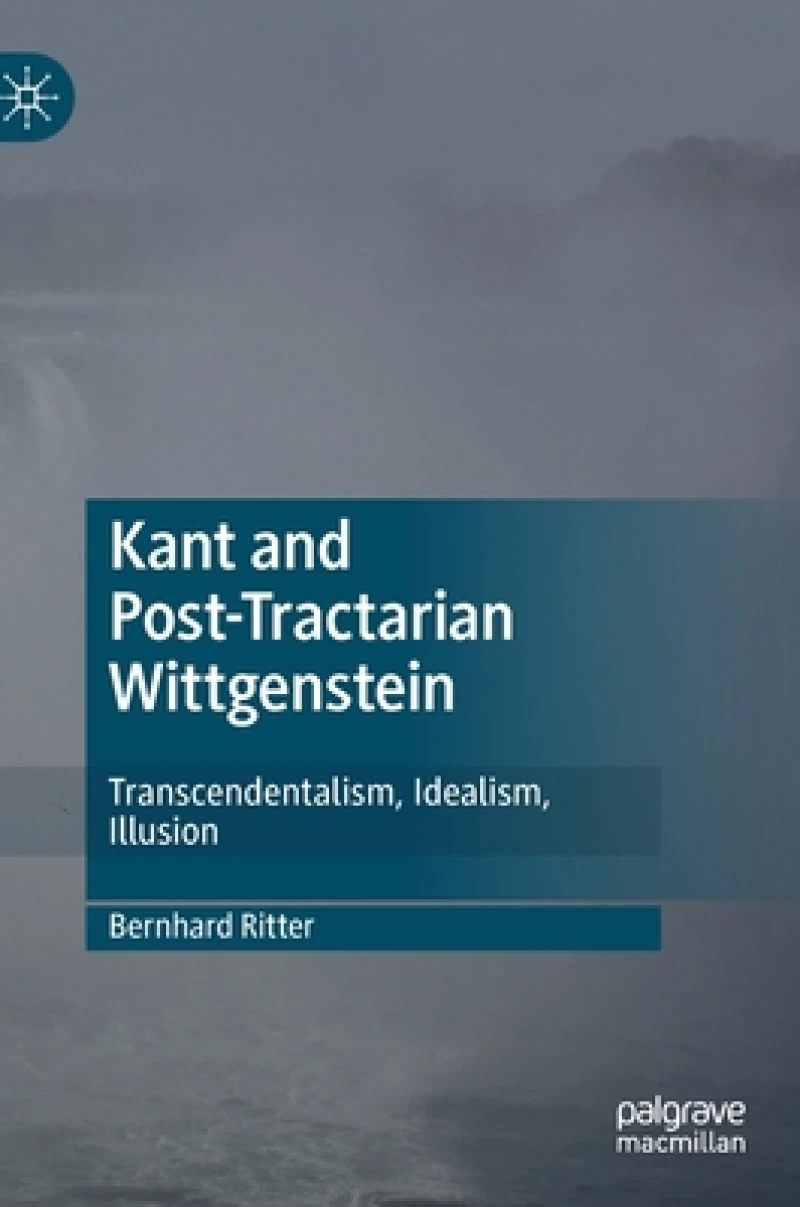
Kant and Post-Tractarian Wittgenstein : Transcendentalism, Idealism, Illusion
2020 ed.
Book Details
Format
Hardback or Cased Book
ISBN-10
3030446336
ISBN-13
9783030446338
Edition
2020 ed.
Publisher
Springer Nature Switzerland AG
Imprint
Springer Nature Switzerland AG
Country of Manufacture
CH
Country of Publication
GB
Publication Date
Aug 13th, 2020
Print length
346 Pages
Product Classification:
Philosophy of languageWestern philosophy: EnlightenmentPhilosophy: metaphysics & ontologyPhilosophy: epistemology & theory of knowledgePhilosophy of mindWestern philosophy: EnlightenmentPhilosophy: metaphysics and ontologyPhilosophy: epistemology and theory of knowledgePhilosophy of mind
Ksh 18,000.00
Werezi Extended Catalogue
0 in stock
Delivery Location
Delivery fee: Select location
Secure
Quality
Fast
This book suggests that to know how Wittgenstein’s post-Tractarian philosophy could have developed from the work of Kant is to know how they relate to each other.
This book suggests that to know how Wittgenstein’s post-Tractarian philosophy could have developed from the work of Kant is to know how they relate to each other. The development from the latter to the former is invoked heuristically as a means of interpretation, rather than a historical process or direct influence of Kant on Wittgenstein. Ritter provides a detailed treatment of transcendentalism, idealism, and the concept of illusion in Kant’s and Wittgenstein’s criticism of metaphysics. Notably, it is through the conceptions of transcendentalism and idealism that Wittgenstein’s philosophy can be viewed as a transformation of Kantianism. This transformation involves a deflationary conception of transcendental idealism along with the abandonment of both the idea that there can be a priori 'conditions of possibility' logically detachable from what they condition, and the appeal to an original ‘constitution’ of experience. The closeness of Kant and post-Tractarian Wittgenstein does not exist between their arguments or the views they upheld, but rather in their affiliation against forms of transcendental realism and empirical idealism. Ritter skilfully challenges several dominant views on the relationship of Kant and Wittgenstein, especially concerning the cogency of Wittgenstein-inspired criticism focusing on the role of language in the first Critique, and Kant's alleged commitment to a representationalist conception of empirical intuition.
Get Kant and Post-Tractarian Wittgenstein by at the best price and quality guaranteed only at Werezi Africa's largest book ecommerce store. The book was published by Springer Nature Switzerland AG and it has pages.

