

Kant on Self-Control
Book Details
Format
Paperback / softback
Book Series
Elements in the Philosophy of Immanuel Kant
ISBN-10
1108813763
ISBN-13
9781108813761
Publisher
Cambridge University Press
Imprint
Cambridge University Press
Country of Manufacture
GB
Country of Publication
GB
Publication Date
Jun 20th, 2024
Print length
72 Pages
Weight
118 grams
Dimensions
22.80 x 15.20 x 0.70 cms
Product Classification:
PhilosophyWestern philosophy: EnlightenmentEthics & moral philosophyHistory of ideas
KSh 3,250.00
Currently unavailable
0 in stock
Delivery Location
Delivery fee: Select location
Secure
Quality
Fast
This Element considers Kant's conception of self-control and the role it plays in his moral philosophy, proposing a view which explains why self-control is central to Kant's conception of virtue and sheds new light on his discussions of moral strength and moral weakness.
This Element considers Kant''s conception of self-control and the role it plays in his moral philosophy. It offers a detailed interpretation of the different terms used by Kant to explain the phenomenon of moral self-control, such as ''autocracy'' and ''inner freedom''. Following Kant''s own suggestions, the proposed reading examines the Kantian capacity for self-control as an ability to ''abstract from'' various sensible impressions by looking beyond their influence on the mind. This analysis shows that Kant''s conception of moral self-control involves two intimately related levels, which need not meet the same criteria. One level is associated with realizing various ends, the other with setting moral ends. The proposed view most effectively accommodates self-control''s role in the adoption of virtuous maxims and ethical end-setting. It explains why self-control is central to Kant''s conception of virtue and sheds new light on his discussions of moral strength and moral weakness.
Get Kant on Self-Control by Marijana Vujosevic at the best price and quality guaranteed only at Werezi Africa's largest book ecommerce store. The book was published by Cambridge University Press and it has 72 pages.
Customers Who Bought This Also Bought
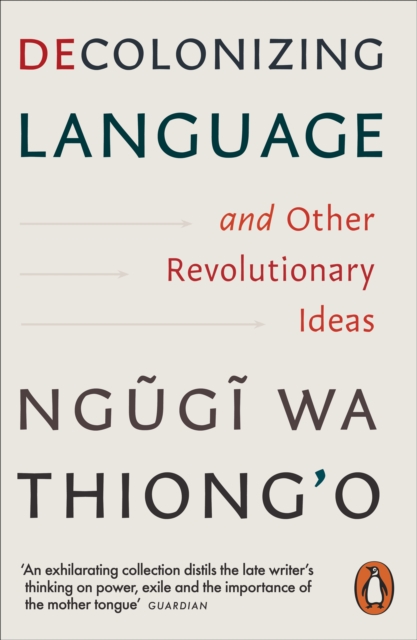
Decolonizing Language and Other Revolutionary Ideas
KSh 2,350.00

How to Read a Book
KSh 2,000.00
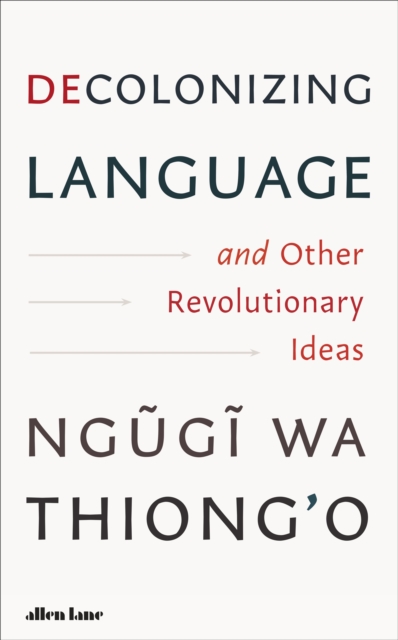
Decolonizing Language and Other Revolutionary Ideas
KSh 3,600.00

Creative Act
KSh 3,250.00

Groundwork for the Metaphysics of Morals
KSh 2,000.00

Things in Nature Merely
KSh 2,000.00
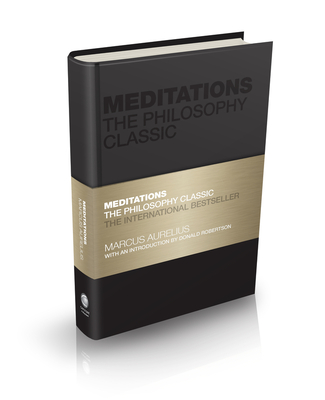
Meditations – The Philosophy Classic
KSh 2,150.00

Great Ideas Social Contract
KSh 1,450.00
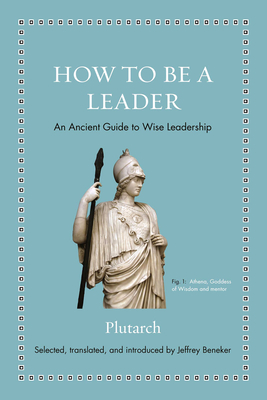
How to Be a Leader – An Ancient Guide to Wise Leadership
KSh 2,800.00

The Daily Laws
KSh 2,350.00

Three Critiques, 3-volume Set
KSh 14,000.00

Philosophical Dictionary
KSh 2,700.00

