
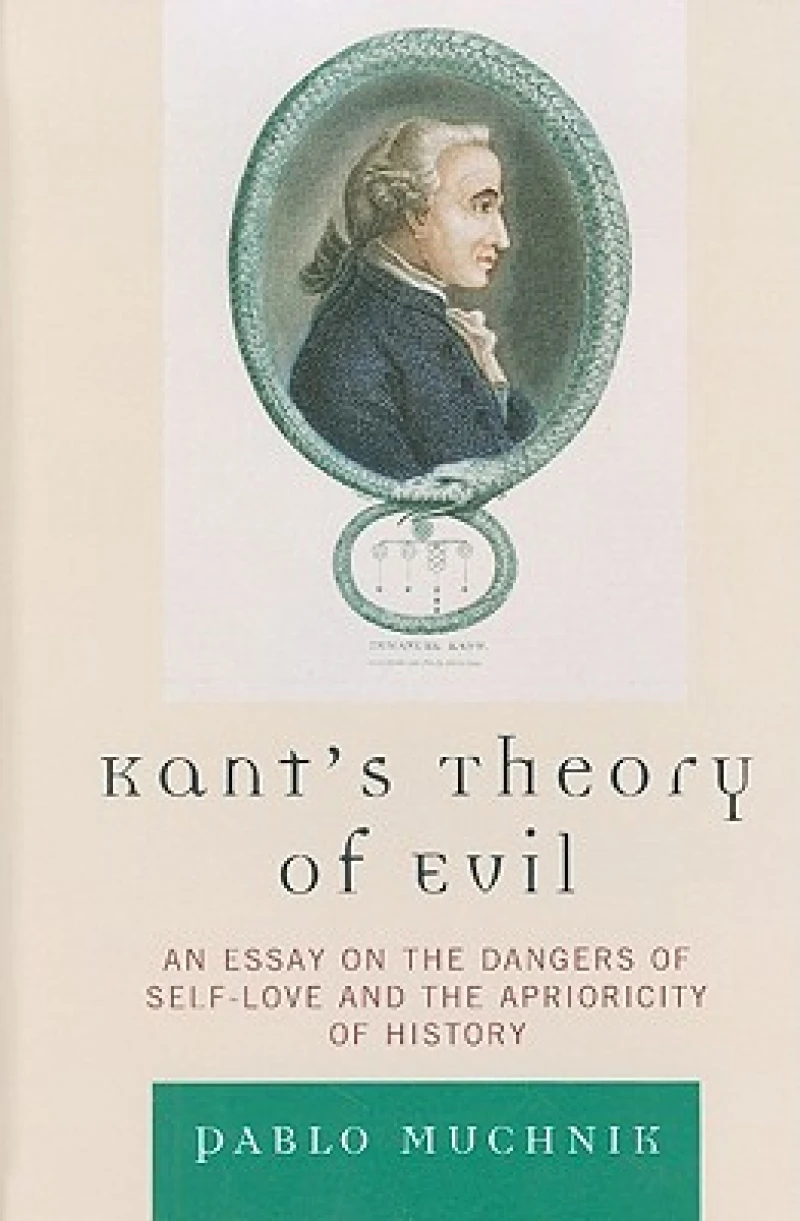
Kant''s Theory of Evil : An Essay on the Dangers of Self-Love and the Aprioricity of History
Book Details
Format
Hardback or Cased Book
ISBN-10
0739140167
ISBN-13
9780739140161
Publisher
Bloomsbury Publishing Plc
Imprint
Lexington Books
Country of Manufacture
GB
Country of Publication
GB
Publication Date
Dec 3rd, 2009
Print length
216 Pages
Weight
490 grams
Dimensions
24.00 x 16.20 x 2.10 cms
Ksh 18,400.00
Manufactured on Demand
0 in stock
Delivery Location
Delivery fee: Select location
Secure
Quality
Fast
Kant''s Theory of Evil: An Essay on The Dangers of Self-Love and the Aprioricity of History presents a novel interpretation and defense of Kant''s theory of evil. Pablo Muchnik argues that this theory stems from Kant''s attempt to reconcile two parallel lines of thought in his own writings: on the one hand, a philosophy of history of Rousseauian inspiration and naturalistic tendencies; on the other, the metaphysical project of founding morality exclusively on a priori grounds. The syncretism of Kant''s view, as exemplified by the resulting moral anthropology in Religion within the Limits of Mere Reason, explains its persistent allure and elusiveness among Kantian readers. Muchnik''s reconstruction solves some of the most intractable problems surrounding Kant''s position, and is designed to break the deadlock existing between contemporary rival schools of interpretation, torn between Kant''s naturalistic tendencies and his moral individualism. The "quasi-transcendental" conceptual apparatus presented in these pages will open up new paths of investigation in Kant, and influence the way we approach the problem of evil in general.
Get Kant''s Theory of Evil by at the best price and quality guaranteed only at Werezi Africa's largest book ecommerce store. The book was published by Bloomsbury Publishing Plc and it has pages.

