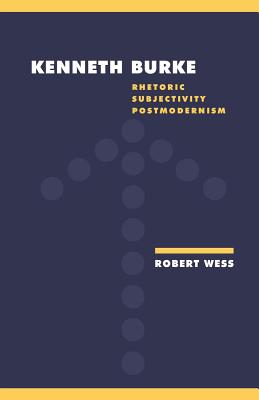
Kenneth Burke : Rhetoric, Subjectivity, Postmodernism
by
Robert Wess
Book Details
Format
Hardback
Book Series
Literature, Culture, Theory
ISBN-10
0521410495
ISBN-13
9780521410496
Publisher
Cambridge University Press
Imprint
Cambridge University Press
Country of Manufacture
GB
Country of Publication
GB
Publication Date
Apr 11th, 1996
Print length
286 Pages
Weight
455 grams
Dimensions
22.40 x 14.20 x 2.10 cms
Product Classification:
Literary theory
KSh 17,100.00
Currently unavailable
0 in stock
Delivery Location
Delivery fee: Select location
Secure
Quality
Fast
Kenneth Burke's influence ranged across history, philosophy and the social sciences. Robert Wess's important study examines Burke's influence on contemporary theories of rhetoric and subjectivity. This 1996 book is a judicious exposition of Burke's long career and a crucial intervention in critical debates surrounding rhetoric, history, and human agency.
Kenneth Burke, arguably the most important American literary theorist of the twentieth century, helped define the theoretical terrain for contemporary literary and cultural studies. His perspectives were literary and linguistic, but his influences ranged across history, philosophy, and the social sciences. In this important study, first published in 1996, Robert Wess traces the trajectory of Burke's long career and situates his work in relation to postmodernity. His study is both an examination of contemporary theories of rhetoric, ideology, and the subject, and an explanation of why Burke failed to complete his Motives trilogy. Burke's own critique of the 'isolated unique individual' led him to question the possibility of unique individuation, a strategy which anticipated important elements of postmodern concepts of subjectivity. Robert Wess' study is a judicious exposition of Burke's massive oeuvre, and a crucial intervention in debates on rhetoric and human agency.
Get Kenneth Burke by Robert Wess at the best price and quality guaranteed only at Werezi Africa's largest book ecommerce store. The book was published by Cambridge University Press and it has 286 pages.
Customers Who Bought This Also Bought

How to Read & Why
KSh 2,350.00
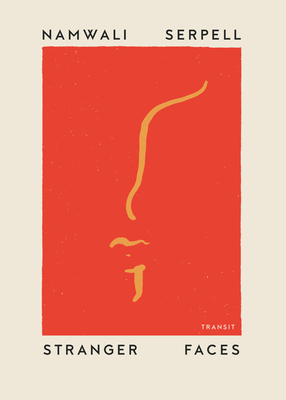
Stranger Faces
KSh 2,500.00
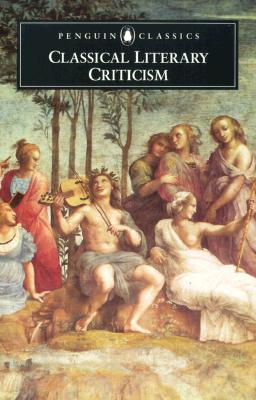
Classical Literary Criticism
KSh 2,350.00

Recognising the Stranger
KSh 1,800.00
What is Literature?
KSh 3,250.00

Beginnings
KSh 3,050.00

Create Dangerously
KSh 700.00
An Analysis of Immanuel Kant''s Critique of Pure Reason
KSh 1,200.00
Chaucer's Pardoner and Gender Theory
KSh 8,100.00
Black and Female
KSh 2,350.00

Difference and Repetition
KSh 4,500.00
The Social Construction of What?
KSh 5,200.00