
Book Details
Format
Paperback / Softback
Book Series
Europaeische Hochschulschriften / European University Studies / Publications Universitaires Europeennes
ISBN-10
363159271X
ISBN-13
9783631592717
Edition
New
Publisher
Peter Lang AG
Imprint
Peter Lang AG
Country of Manufacture
DE
Country of Publication
GB
Publication Date
May 1st, 2009
Print length
144 Pages
Weight
202 grams
Dimensions
15.00 x 20.90 x 1.40 cms
Product Classification:
Literary studies: c 1500 to c 1800Literary studies: c 1800 to c 1900 Literary studies: from c 1900 -
Ksh 6,400.00
Manufactured on Demand
0 in stock
Delivery Location
Delivery fee: Select location
Secure
Quality
Fast
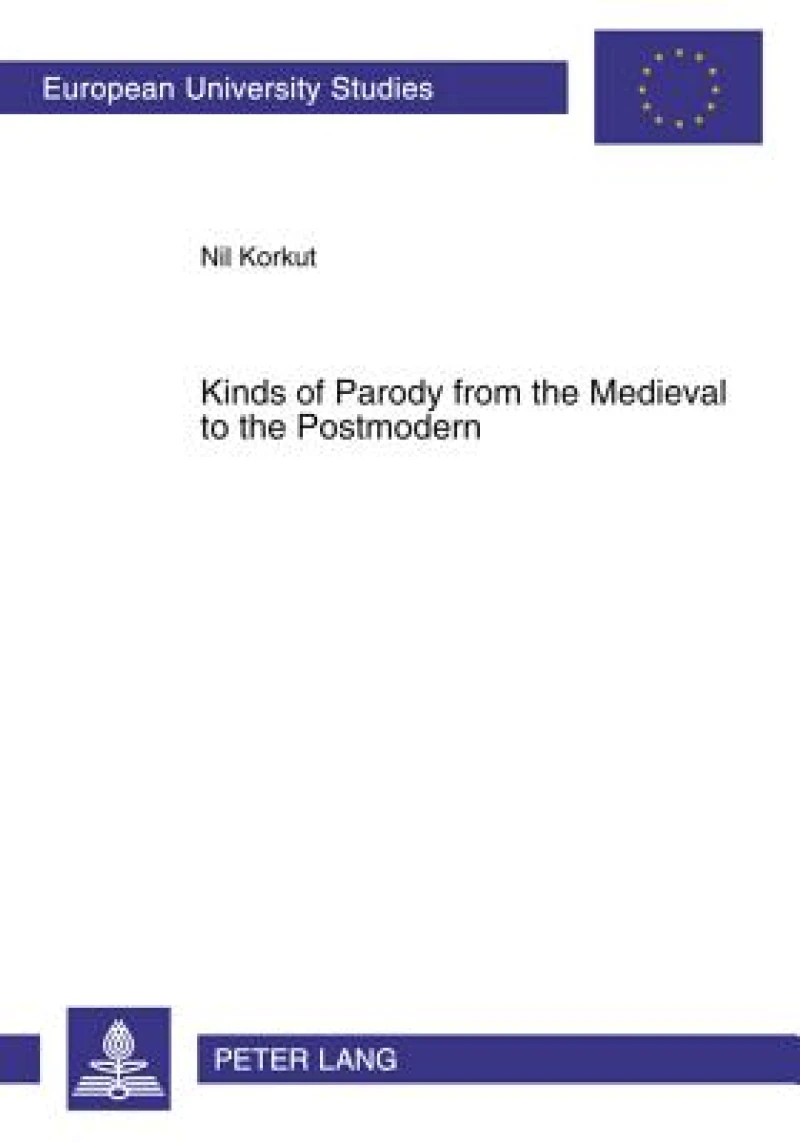
This book approaches parody as a literary form that has assumed diverse forms and functions throughout history. The author handles this diversity by classifying parody according to its objects of imitation and specifying three major parodic kinds: parody directed at texts and personal styles, parody directed at genre, and parody directed at discourse. The book argues that different literary-historical periods in Britain have witnessed the prevalence of different kinds of parody and investigates the reasons underlying this phenomenon. All periods from the Middle Ages to the present are considered in this regard, but a special significance is given to the postmodern age, where parody has become a widely produced literary form. The book contends further that postmodern parody is primarily discourse parody – a phenomenon which can be explained through the major concerns of postmodernism as a movement. In addition to situating parody and its kinds in a historical context, this book engages in a detailed analysis of parody in the postmodern age, preparing the ground for making an informed assessment of the direction parody and its kinds may take in the near future.
This book approaches parody as a literary form that has assumed diverse forms and functions throughout history. The author handles this diversity by classifying parody according to its objects of imitation and specifying three major parodic kinds: parody directed at texts and personal styles, parody directed at genre, and parody directed at discourse. The book argues that different literary-historical periods in Britain have witnessed the prevalence of different kinds of parody and investigates the reasons underlying this phenomenon. All periods from the Middle Ages to the present are considered in this regard, but a special significance is given to the postmodern age, where parody has become a widely produced literary form. The book contends further that postmodern parody is primarily discourse parody – a phenomenon which can be explained through the major concerns of postmodernism as a movement. In addition to situating parody and its kinds in a historical context, this book engages in a detailed analysis of parody in the postmodern age, preparing the ground for making an informed assessment of the direction parody and its kinds may take in the near future.
Get Kinds of Parody from the Medieval to the Postmodern by at the best price and quality guaranteed only at Werezi Africa's largest book ecommerce store. The book was published by Peter Lang AG and it has pages.

