
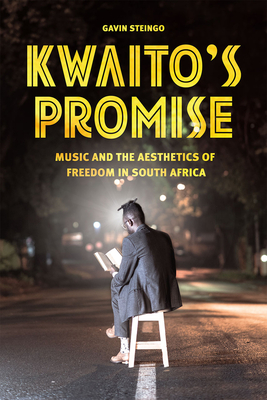
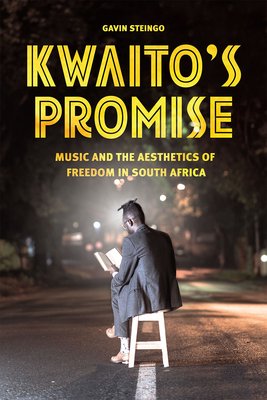
Kwaito's Promise : Music and the Aesthetics of Freedom in South Africa
Book Details
Format
Hardback
Book Series
Chicago Studies in Ethnomusicology CSE
ISBN-10
022636240X
ISBN-13
9780226362403
Publisher
The University of Chicago Press
Imprint
University of Chicago Press
Country of Manufacture
GB
Country of Publication
GB
Publication Date
Jun 21st, 2016
Print length
320 Pages
Weight
510 grams
Dimensions
2.30 x 1.60 x 0.20 cms
KSh 14,400.00
Publisher Out of Stock
0 in stock
Delivery Location
Delivery fee: Select location
Secure
Quality
Fast
In mid-1990s South Africa, apartheid ended, Nelson Mandela was elected president, and the country’s urban black youth developed kwaito—a form of electronic music (redolent of North American house) that came to represent the post-struggle generation. In this book, Gavin Steingo examines kwaito as it has developed alongside the democratization of South Africa over the past two decades. Tracking the fall of South African hope into the disenchantment that often characterizes the outlook of its youth today—who face high unemployment, extreme inequality, and widespread crime—Steingo looks to kwaito as a powerful tool that paradoxically engages South Africa’s crucial social and political problems by, in fact, seeming to ignore them. Politicians and cultural critics have long criticized kwaito for failing to provide any meaningful contribution to a society that desperately needs direction. As Steingo shows, however, these criticisms are built on problematic assumptions about the political function of music. Interacting with kwaito artists and fans, he shows that youth aren’t escaping their social condition through kwaito but rather using it to expand their sensory realities and generate new possibilities. Resisting the truism that “music is always political,” Steingo elucidates a music that thrives on its radically ambiguous relationship with politics, power, and the state.
Get Kwaito's Promise by Gavin Steingo at the best price and quality guaranteed only at Werezi Africa's largest book ecommerce store. The book was published by The University of Chicago Press and it has 320 pages.
Customers Who Bought This Also Bought

The Second Emancipation – Nkrumah, Pan–Africanism, and Global Blackness at High Tide
KSh 5,650.00
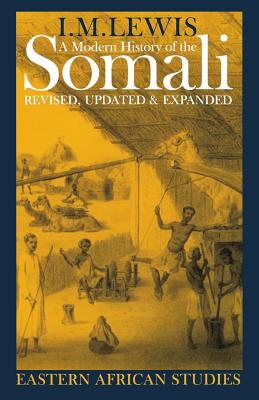
A Modern History of the Somali
KSh 5,300.00
Decolonizing Language and Other Revolutionary Ideas
KSh 2,350.00
Homecoming
KSh 1,800.00
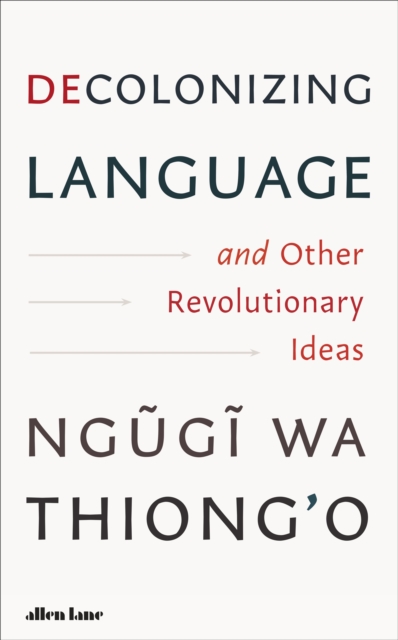
Decolonizing Language and Other Revolutionary Ideas
KSh 3,600.00
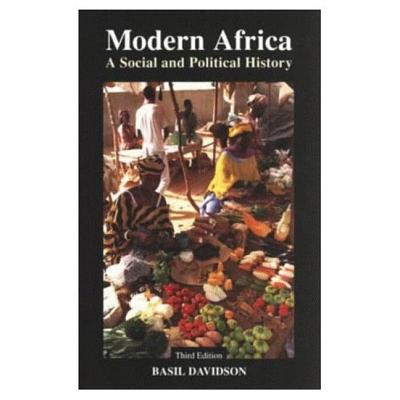
Modern Africa
KSh 11,500.00

Histories of the Hanged
KSh 2,700.00

How Europe Underdeveloped Africa
KSh 3,250.00
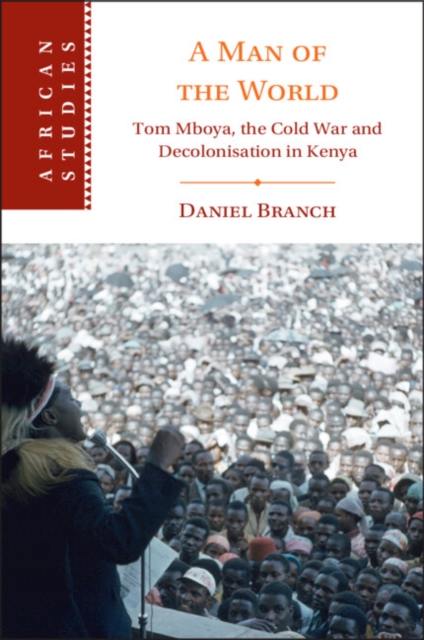
A Man of the World
KSh 5,350.00

Africa: A Modern History
KSh 8,000.00
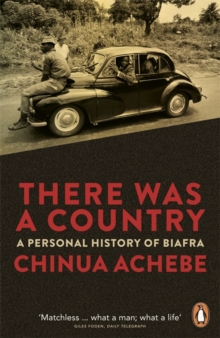
There Was a Country
KSh 2,350.00

Scramble for Africa
KSh 3,400.00


More in This Genre
The Second Emancipation – Nkrumah, Pan–Africanism, and Global Blackness at High Tide
KSh 5,650.00
A Modern History of the Somali
KSh 5,300.00
Decolonizing Language and Other Revolutionary Ideas
KSh 2,350.00
Homecoming
KSh 1,800.00
Decolonizing Language and Other Revolutionary Ideas
KSh 3,600.00
Modern Africa
KSh 11,500.00
