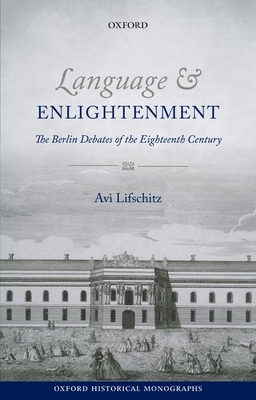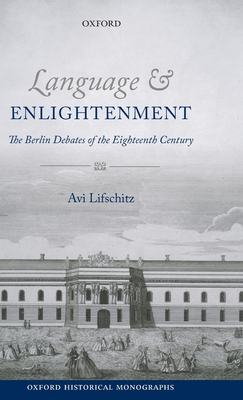
Language and Enlightenment : The Berlin Debates of the Eighteenth Century
Book Details
Format
Hardback
Book Series
Oxford Historical Monographs
ISBN-10
0199661669
ISBN-13
9780199661664
Publisher
Oxford University Press
Imprint
Oxford University Press
Country of Manufacture
GB
Country of Publication
GB
Publication Date
Sep 27th, 2012
Print length
244 Pages
Weight
436 grams
Dimensions
21.80 x 14.60 x 1.90 cms
KSh 27,950.00
Temporarily out of stock, due soon
0 in stock
Delivery Location
Delivery fee: Select location
Secure
Quality
Fast
Highlights the importance of language in the social theory, epistemology, and aesthetics of the Enlightenment. Argues that awareness of the historicity and linguistic rootedness of all forms of life was a mainstream Enlightenment notion rather than a feature of the so-called 'Counter-Enlightenment'.
What is the role of language in human cognition? Could we attain self-consciousness and construct our civilisation without language? Such were the questions at the basis of eighteenth-century debates on the joint evolution of language, mind, and culture. Language and Enlightenment highlights the importance of language in the social theory, epistemology, and aesthetics of the Enlightenment. While focusing on the Berlin Academy under Frederick the Great, Avi Lifschitz situates the Berlin debates within a larger temporal and geographical framework. He argues that awareness of the historicity and linguistic rootedness of all forms of life was a mainstream Enlightenment notion rather than a feature of the so-called ''Counter-Enlightenment''. Enlightenment authors of different persuasions investigated whether speechless human beings could have developed their language and society on their own. Such inquiries usually pondered the difficult shift from natural signs like cries and gestures to the artificial, articulate words of human language. This transition from nature to artifice was mirrored in other domains of inquiry, such as the origins of social relations, inequality, the arts and the sciences. By examining a wide variety of authors - Leibniz, Wolff, Condillac, Rousseau, Michaelis, and Herder, among others - Language and Enlightenment emphasises the open and malleable character of the eighteenth-century Republic of Letters. The language debates demonstrate that German theories of culture and language were not merely a rejection of French ideas. New notions of the genius of language and its role in cognition were constructed through a complex interaction with cross-European currents, especially via the prize contests at the Berlin Academy.
Get Language and Enlightenment by Avi Lifschitz at the best price and quality guaranteed only at Werezi Africa's largest book ecommerce store. The book was published by Oxford University Press and it has 244 pages.
Customers Who Bought This Also Bought

Creativity in the English Curriculum
KSh 5,650.00

Adventure Of English
KSh 2,350.00
Analysing Sentences
KSh 7,400.00
Creativity in the English Curriculum
KSh 30,950.00

English Language Teaching
KSh 30,950.00

Hermes und die goldene Denkmaschine
KSh 8,300.00
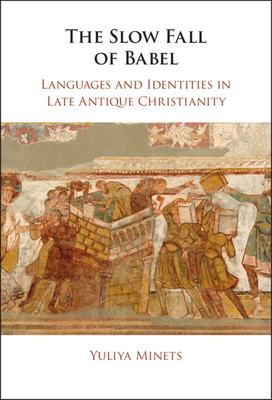
The Slow Fall of Babel
KSh 17,800.00

Writing Across Professions
KSh 30,950.00

The Professional Image of Graduates of English Studies of Vienna University
KSh 13,200.00

Relevance Theory meets Markedness
KSh 10,650.00
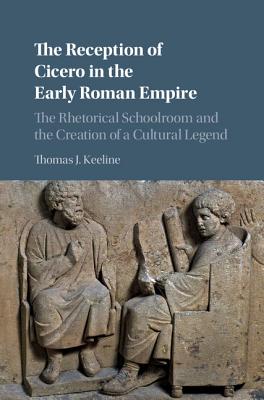
The Reception of Cicero in the Early Roman Empire
KSh 20,900.00
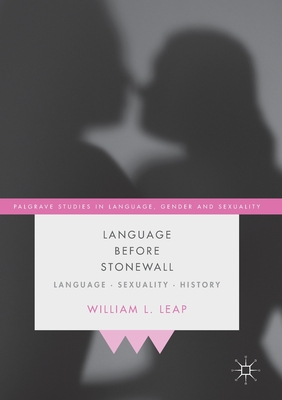
Language Before Stonewall
KSh 18,000.00