
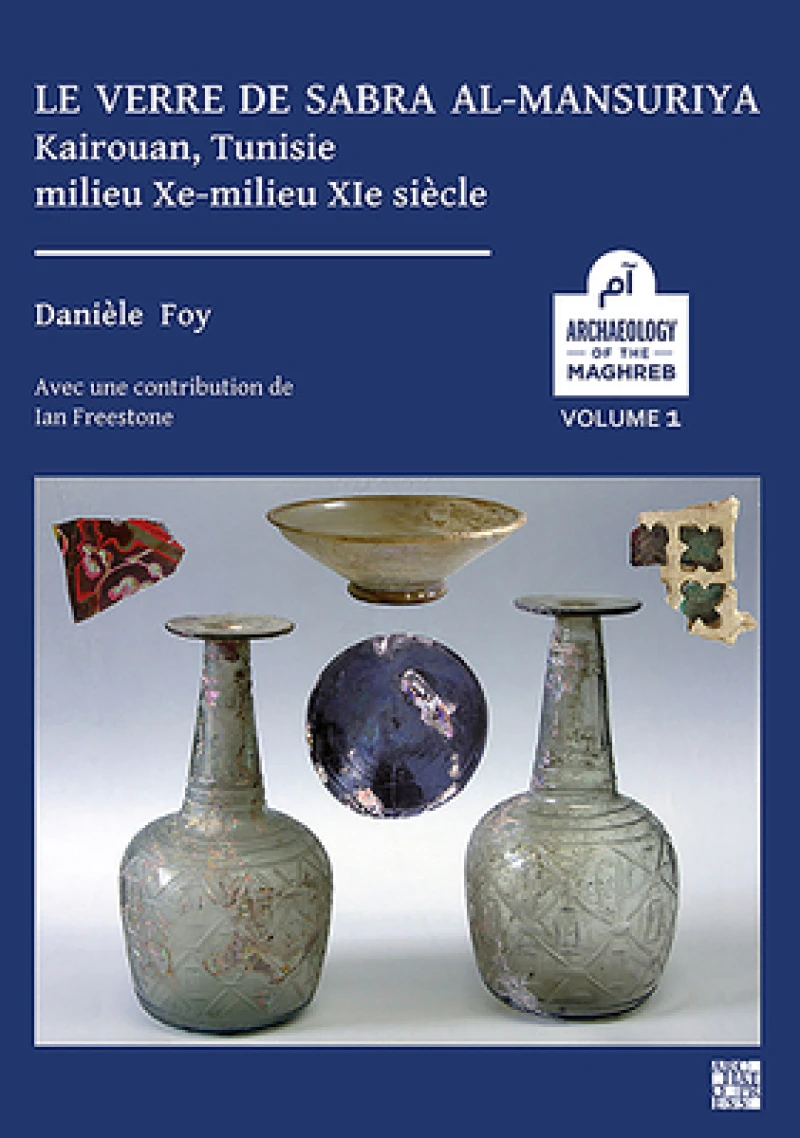
Le verre de Sabra al-Mansuriya - Kairouan, Tunisie - milieu Xe-milieu XIe siecle : Production et consommation: vaisselle - contenants - vitrages
Book Details
Format
Paperback / Softback
ISBN-10
1789696615
ISBN-13
9781789696615
Publisher
Archaeopress
Imprint
Archaeopress
Country of Manufacture
GB
Country of Publication
GB
Publication Date
Jul 2nd, 2020
Print length
300 Pages
Weight
952 grams
Dimensions
20.60 x 29.10 x 2.00 cms
Product Classification:
Archaeology by period / regionCeramics & glass technology
Ksh 9,350.00
Temporarily out of stock, due soon
0 in stock
Delivery Location
Delivery fee: Select location
Secure
Quality
Fast
Knowledge of Islamic glass and its craftsmanship in the medieval period has relied heavily on Middle Eastern literature. The study of workshop and rich glass assemblage from Sabra al-Mansuriya (Kairouan), the Fatimid capital founded in 947/948 and destroyed in 1057, shows that Ifriqiya followed the technological evolutions of glass craftsmanship.
Islamic glass and its craftsmanship in the Medieval period are known almost exclusively from Middle Eastern literature. The study of the structures of the workshop and the very rich glass assemblage from Sabra al-Mansuriya (Kairouan), the Fatimid capital founded in 947/948 and destroyed in 1057, proves that Ifriqiya followed the technological evolutions of glass craftsmanship.
An examination of the furnaces and the various artefacts discovered highlights the double vocation of a palatial factory: to produce glass and glazed ceramics. From this particular workshop, installed in the wing of a palace, we found everyday glassware as well as more luxurious types, some with very specific forms, others reproducing models known throughout the Islamic world. These productions are local and imported – distinguished through morphological and chemical analyzes – and form the basis of a first typology of glass used in Ifriqiya from the 10th to 11th century.
Architectural glass, partly made on site, is also abundant. The crown-glass of different colours, used whole or in small fragments, adorned the openwork panel walls with various carvings. The windows and their glass offered a rich polychrome and a complex decorative syntax, reflecting significant technical mastery and the desire to display economic and political power.
An examination of the furnaces and the various artefacts discovered highlights the double vocation of a palatial factory: to produce glass and glazed ceramics. From this particular workshop, installed in the wing of a palace, we found everyday glassware as well as more luxurious types, some with very specific forms, others reproducing models known throughout the Islamic world. These productions are local and imported – distinguished through morphological and chemical analyzes – and form the basis of a first typology of glass used in Ifriqiya from the 10th to 11th century.
Architectural glass, partly made on site, is also abundant. The crown-glass of different colours, used whole or in small fragments, adorned the openwork panel walls with various carvings. The windows and their glass offered a rich polychrome and a complex decorative syntax, reflecting significant technical mastery and the desire to display economic and political power.
Get Le verre de Sabra al-Mansuriya - Kairouan, Tunisie - milieu Xe-milieu XIe siecle by at the best price and quality guaranteed only at Werezi Africa's largest book ecommerce store. The book was published by Archaeopress and it has pages.

