
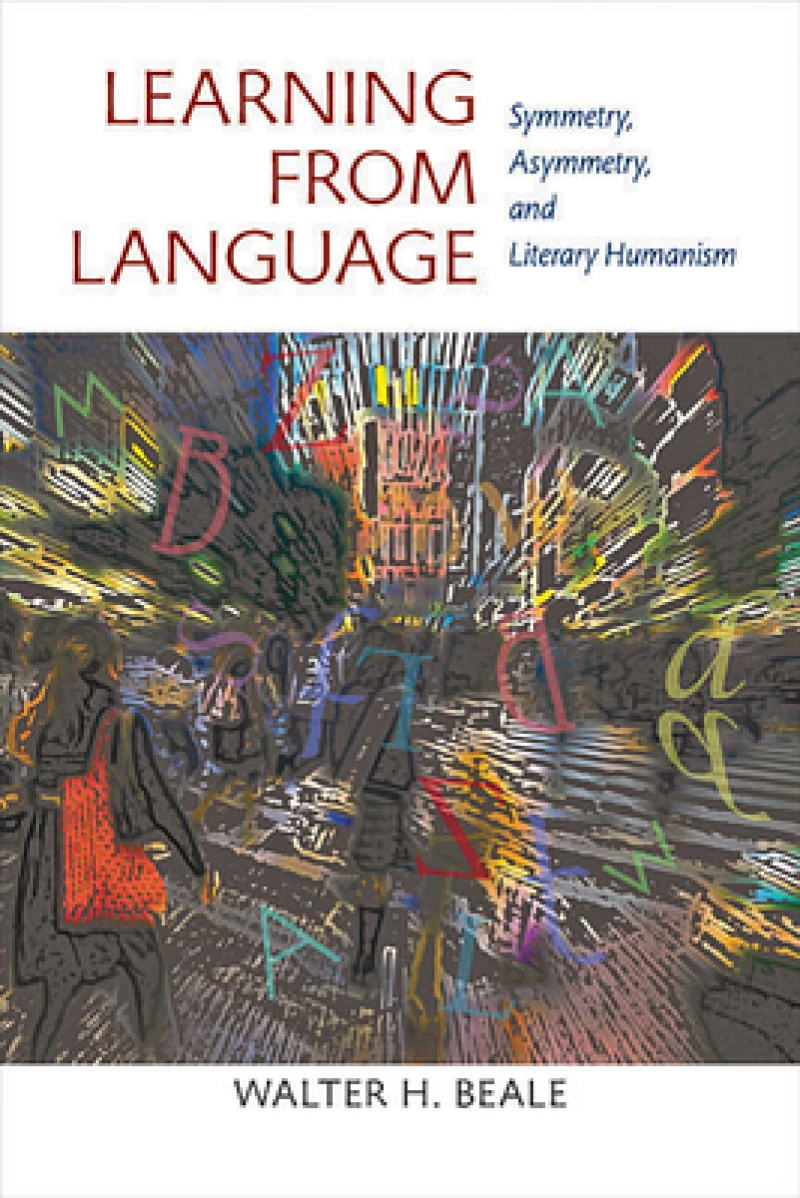
Learning from Language : Symmetry, Asymmetry, and Literary Humanism
by
Walter Beale
Book Details
Format
Paperback / Softback
Book Series
Composition, Literacy, and Culture
ISBN-10
0822960389
ISBN-13
9780822960386
Publisher
University of Pittsburgh Press
Imprint
University of Pittsburgh Press
Country of Manufacture
US
Country of Publication
GB
Publication Date
Jul 26th, 2009
Print length
240 Pages
Product Classification:
Sociolinguistics
Ksh 8,100.00
Temporarily out of stock, due soon
0 in stock
Delivery Location
Delivery fee: Select location
Secure
Quality
Fast
This book seeks to bring together the disciplines of linguistics, rhetoric, and literary studies through the concept of symmetry (how words mirror thought, society, and our vision of the world). Honorable Mention, 2009 MLA Mina P. Shaughnessy Award
In Learning from Language, Walter H. Beale seeks to bring together the disciplines of linguistics, rhetoric, and literary studies through the concept of symmetry (how words mirror thought, society, and our vision of the world). Citing thinkers from antiquity to the present, Beale provides an in-depth study of linguistic theory, development, and practice. He views the historic division between the schools of symmetry and asymmetry (a belief that language developed as a structure independent of human experience), as built into the character of language itself, and as an impediment to literary humanism (the combined study of language, rhetoric, and literature to improve the competence and character of the individual). In his analysis, Beale outlines and critiques traditional claims of symmetry, then offers new avenues of approach to the subject. In doing so, he examines how important issues of human culture and consciousness have parallels in processes of language; how linguistic patterns relate to pervasive human problems; how language is an active participant in the expression, performance, and construction of reality; the concepts of designating versus naming; figurative language as a process of reenvisioning reality; and the linking of style to virtue by the ancients. Beale concludes that both asymmetrical and symmetrical elements exist in language, each with their own relevance, and that they are complementary, rather than opposing philosophies. The basic intuitions of symmetry that relate language to life are powerful and important to all of English studies. Combined with a love for the workings, sounds, and structures of language, Beale says, an understanding of symmetry can help guide the pursuit of literary humanism.
Get Learning from Language by at the best price and quality guaranteed only at Werezi Africa's largest book ecommerce store. The book was published by University of Pittsburgh Press and it has pages.

