

Learning to Solve Complex Scientific Problems
Book Details
Format
Paperback / softback
ISBN-10
0805859195
ISBN-13
9780805859195
Publisher
Taylor & Francis Inc
Imprint
Routledge
Country of Manufacture
GB
Country of Publication
GB
Publication Date
Jun 11th, 2007
Print length
416 Pages
Weight
544 grams
KSh 13,650.00
Currently unavailable
0 in stock
Delivery Location
Delivery fee: Select location
Secure
Quality
Fast
Problem solving is implicit in the very nature of all science, and although the need for skilled problem solvers has never been greater, there is a growing disconnect between the need for problem solvers and the educational capacity to prepare them.
Problem solving is implicit in the very nature of all science, and virtually all scientists are hired, retained, and rewarded for solving problems. Although the need for skilled problem solvers has never been greater, there is a growing disconnect between the need for problem solvers and the educational capacity to prepare them. Learning to Solve Complex Scientific Problems is an immensely useful read offering the insights of cognitive scientists, engineers and science educators who explain methods for helping students solve the complexities of everyday, scientific problems.
Important features of this volume include discussions on:
*how problems are represented by the problem solvers and how perception, attention, memory, and various forms of reasoning impact the management of information and the search for solutions;
*how academics have applied lessons from cognitive science to better prepare students to solve complex scientific problems;
*gender issues in science and engineering classrooms; and
*questions to guide future problem-solving research.
The innovative methods explored in this practical volume will be of significant value to science and engineering educators and researchers, as well as to instructional designers.
Important features of this volume include discussions on:
*how problems are represented by the problem solvers and how perception, attention, memory, and various forms of reasoning impact the management of information and the search for solutions;
*how academics have applied lessons from cognitive science to better prepare students to solve complex scientific problems;
*gender issues in science and engineering classrooms; and
*questions to guide future problem-solving research.
The innovative methods explored in this practical volume will be of significant value to science and engineering educators and researchers, as well as to instructional designers.
Get Learning to Solve Complex Scientific Problems by David H. Jonassen at the best price and quality guaranteed only at Werezi Africa's largest book ecommerce store. The book was published by Taylor & Francis Inc and it has 416 pages.
Customers Who Bought This Also Bought

How Emotions Are Made
KSh 2,350.00

Gödel, Escher, Bach
KSh 4,200.00

Thinking, Fast and Slow
KSh 3,050.00

The Art of Seduction
KSh 5,050.00
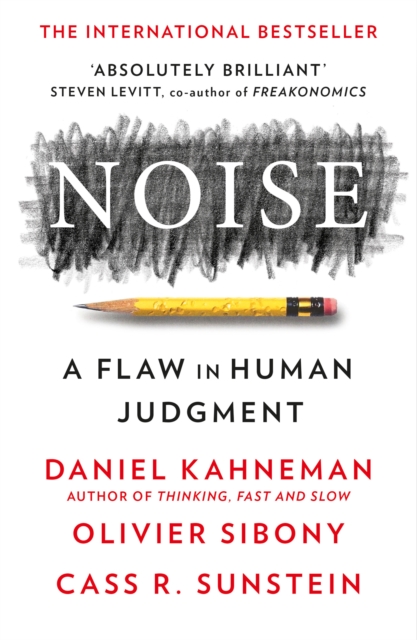
Noise
KSh 2,000.00
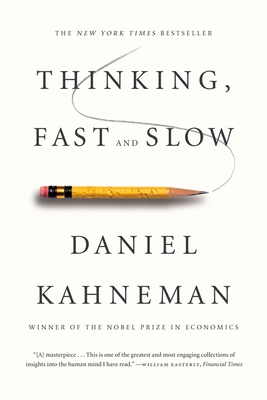
Thinking, Fast and Slow
KSh 2,700.00

Seven and a Half Lessons About the Brain
KSh 2,000.00

Influence: Science and Practice
KSh 12,850.00

Do the Work
KSh 1,450.00

Thinking in Bets
KSh 5,050.00

Art Of Listening
KSh 3,050.00

Mind''s Eye
KSh 2,000.00
