
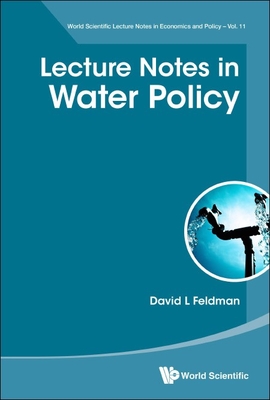
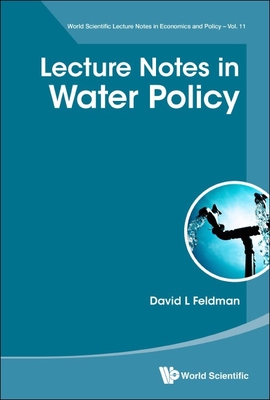
Lecture Notes in Water Policy
Book Details
Delivery Location
Delivery fee: Select location
Delivery in 12 days
Freshwater is our planet''s most precious resource - essential for life itself. Despite this fact, many people across our planet face difficulties finding safe, clean, potable water. A U.S. State Department report contends that the world''s thirst for water may become a human security crisis by 2040. The World Bank reports many developing nations face catastrophe from intensive irrigation, urbanization, and deteriorating infrastructure. Also, numerous reports contend that in many places un-treated wastewater is still released directly into the environment. This is particularly true in low-income countries, which on average treat less than 10% of their wastewater discharges.
In short, we face three imminent challenges regarding freshwater: (1) demands by agriculture, cities, industry, and energy production are increasing;
(2) severe pollution from various contaminants and growing withdrawals are limiting the capacity of waterways to dilute contaminants - threatening human and aquatic life; and, (3) climate change will cause periods of frequent and severe droughts - punctuated by acute periods of flooding.
The goal of this book is to illuminate how the governance of freshwater is a political, social, economic, cultural, and ecological challenge. The management and provision of water are not merely technical problems whose resolution hinges on hydrological principle, cost, or engineering feasibility. They are products of decisions made by governments, businesses, and interest groups that exercise control over who has access to water, how they use it, and in what condition they receive it. It discusses basic knowledge about water supply and quality; the evolution of water policy in different societies; the importance of water to human and environmental health; the role of law, politics, and markets in its allocation, use, and protection; and, the importance of ethics in its equitable provision.
Get Lecture Notes in Water Policy by David L Feldman at the best price and quality guaranteed only at Werezi Africa's largest book ecommerce store. The book was published by World Scientific Publishing Co Pte Ltd and it has 236 pages.
Customers Who Bought This Also Bought

Surprised by Scripture – Engaging With Contemporary Issues
KSh 2,900.00
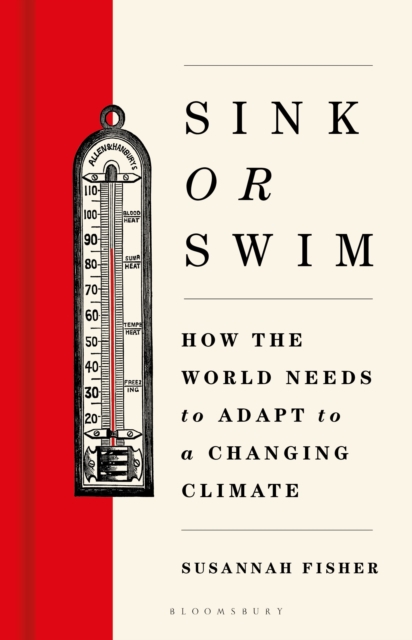
Sink or Swim
KSh 3,400.00

We Are Eating the Earth
KSh 3,600.00

This Changes Everything
KSh 2,700.00

Competition and Efficiency in International Food Supply Chains
KSh 30,950.00

Competition and Efficiency in International Food Supply Chains
KSh 10,100.00
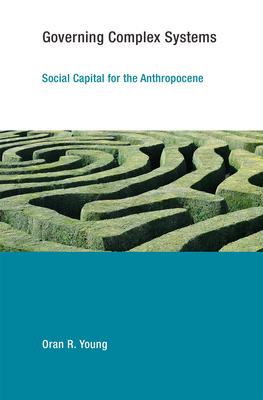
Governing Complex Systems
KSh 5,200.00

Think Little
KSh 1,800.00

Climate Bridge – An International Perspective on How to Enact Climate Action at the Government Public Interface
KSh 17,300.00

Green City Rising
KSh 26,700.00

The Catch-22s of Disaster and Environmental Injustice
KSh 30,950.00

Towards Principles for Responsible Futures
KSh 30,950.00
More by David L Feldman
More in This Genre
Surprised by Scripture – Engaging With Contemporary Issues
KSh 2,900.00
Sink or Swim
KSh 3,400.00
We Are Eating the Earth
KSh 3,600.00
This Changes Everything
KSh 2,700.00
Competition and Efficiency in International Food Supply Chains
KSh 30,950.00
Competition and Efficiency in International Food Supply Chains
KSh 10,100.00
