
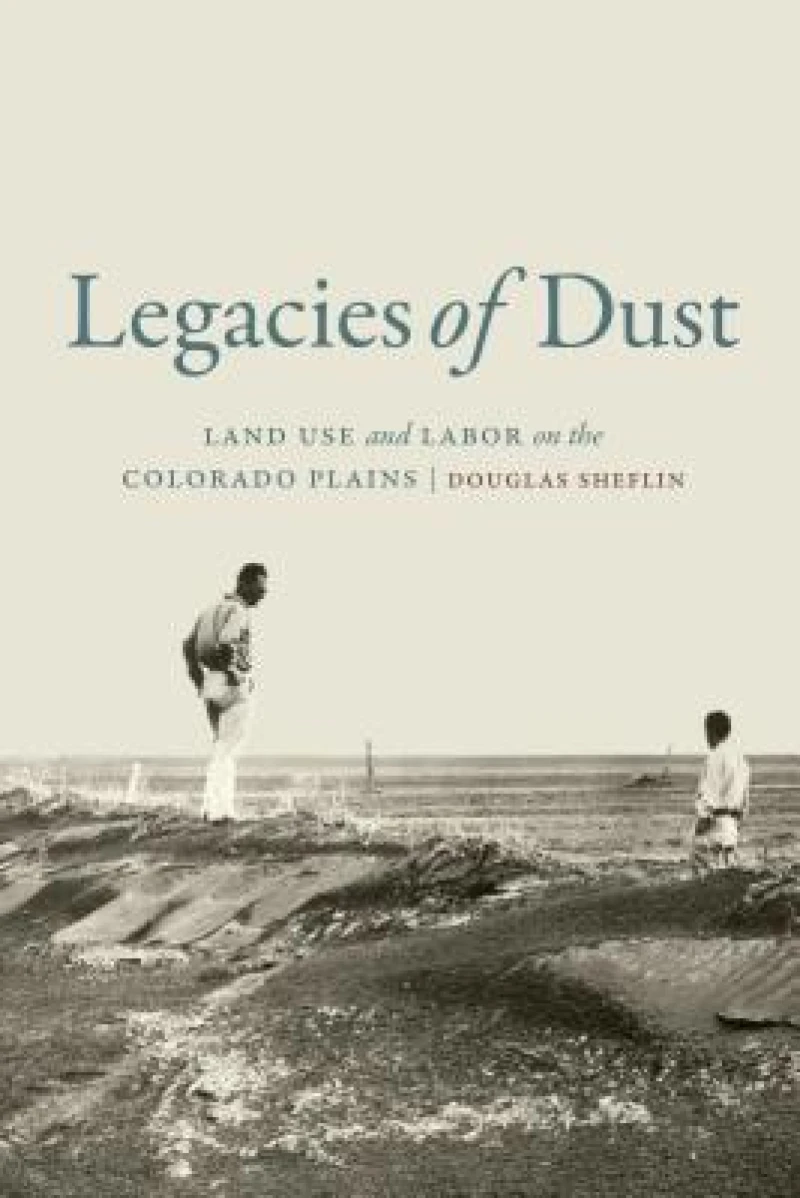
Legacies of Dust : Land Use and Labor on the Colorado Plains
Book Details
Format
Hardback or Cased Book
ISBN-10
0803285531
ISBN-13
9780803285538
Publisher
University of Nebraska Press
Imprint
University of Nebraska Press
Country of Manufacture
GB
Country of Publication
GB
Publication Date
Jun 1st, 2019
Print length
426 Pages
Ksh 7,900.00
Werezi Extended Catalogue
0 in stock
Delivery Location
Delivery fee: Select location
Secure
Quality
Fast
Offers an innovative and provocative look at how a natural disaster can dramatically influence every facet of human life. Focusing on the period from 1929 to 1962, Sheflin presents Dust Bowl disaster in a new light by evaluating its impact on both agricultural production and the people who fuelled it.
A Choice Outstanding Academic Title
2020 Center for the Study of the American West (CSAW) Award for Outstanding Western Book Finalist
The Dust Bowl of the 1930s was the worst ecological disaster in American history. When the rains stopped and the land dried up, farmers and agricultural laborers on the southeastern Colorado plains were forced to adapt to new realities. The severity of the drought coupled with the economic devastation of the Great Depression compelled farmers and government officials to combine their efforts to achieve one primary goal: keep farmers farming on the Colorado plains.
In Legacies of Dust Douglas Sheflin offers an innovative and provocative look at how a natural disaster can dramatically influence every facet of human life. Focusing on the period from 1929 to 1962, Sheflin presents the disaster in a new light by evaluating its impact on both agricultural production and the people who fueled it, demonstrating how the Dust Bowl fractured Colorado’s established system of agricultural labor. Federal support, combined with local initiative, instituted a broad conservation regime that facilitated production and helped thousands of farmers sustain themselves during the difficult 1930s and again during the drought of the 1950s. Drawing from western, environmental, transnational, and labor history, Sheflin investigates how the catastrophe of the Dust Bowl and its complex consequences transformed the southeastern Colorado agricultural economy.
2020 Center for the Study of the American West (CSAW) Award for Outstanding Western Book Finalist
The Dust Bowl of the 1930s was the worst ecological disaster in American history. When the rains stopped and the land dried up, farmers and agricultural laborers on the southeastern Colorado plains were forced to adapt to new realities. The severity of the drought coupled with the economic devastation of the Great Depression compelled farmers and government officials to combine their efforts to achieve one primary goal: keep farmers farming on the Colorado plains.
In Legacies of Dust Douglas Sheflin offers an innovative and provocative look at how a natural disaster can dramatically influence every facet of human life. Focusing on the period from 1929 to 1962, Sheflin presents the disaster in a new light by evaluating its impact on both agricultural production and the people who fueled it, demonstrating how the Dust Bowl fractured Colorado’s established system of agricultural labor. Federal support, combined with local initiative, instituted a broad conservation regime that facilitated production and helped thousands of farmers sustain themselves during the difficult 1930s and again during the drought of the 1950s. Drawing from western, environmental, transnational, and labor history, Sheflin investigates how the catastrophe of the Dust Bowl and its complex consequences transformed the southeastern Colorado agricultural economy.
Get Legacies of Dust by at the best price and quality guaranteed only at Werezi Africa's largest book ecommerce store. The book was published by University of Nebraska Press and it has pages.

