
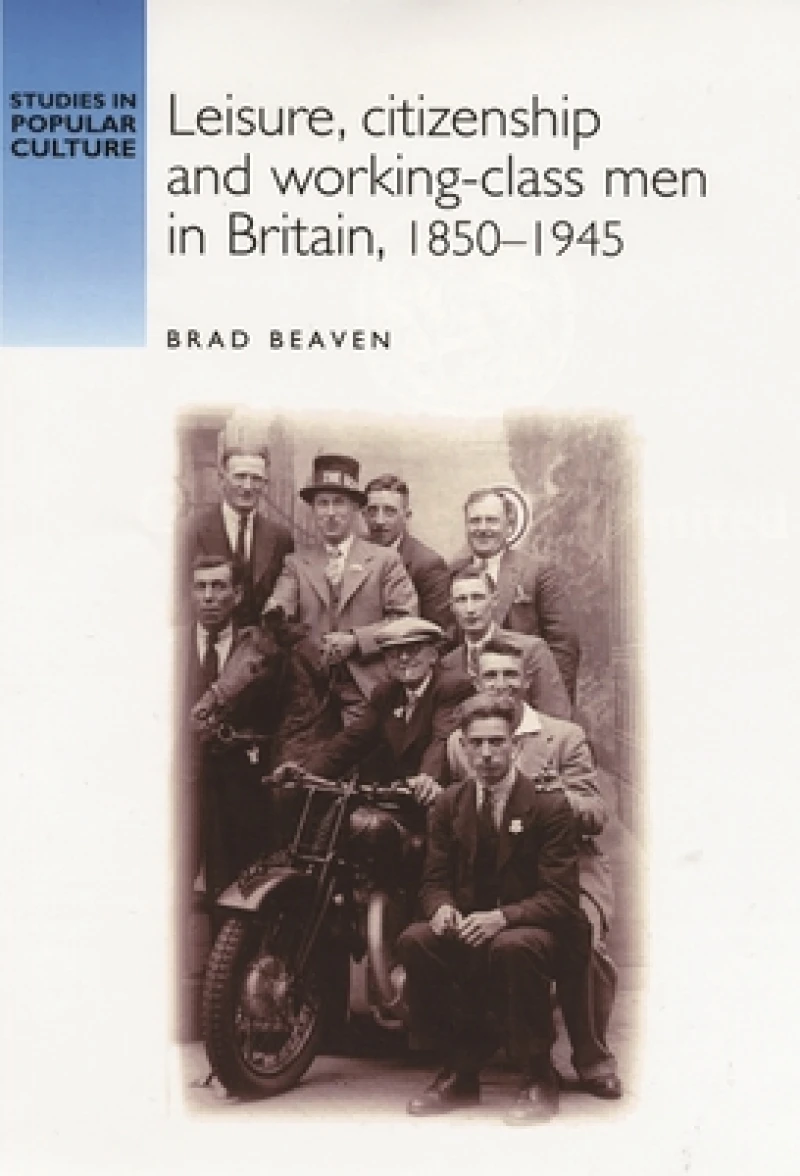
Leisure, Citizenship and Working–Class Men in Britain, 1850–1940
by
Brad Beaven
Book Details
Format
Paperback / Softback
Book Series
Studies in Popular Culture
ISBN-10
0719060281
ISBN-13
9780719060281
Publisher
Manchester University Press
Imprint
Manchester University Press
Country of Manufacture
GB
Country of Publication
GB
Publication Date
Aug 7th, 2009
Print length
272 Pages
Weight
424 grams
Dimensions
23.50 x 15.60 x 1.60 cms
Product Classification:
Social & cultural historyGender studies: menSocial & cultural anthropology, ethnography
Ksh 4,500.00
Werezi Extended Catalogue
0 in stock
Delivery Location
Delivery fee: Select location
Secure
Quality
Fast
Arguing that there was a remarkable continuity in male working-class culture between 1850 and 1945, this book contends that despite changing socio-economic contexts, male working-class culture continued to draw from a tradition of active participation and cultural contestation that was both class and gender exclusive.
From the bawdy audience of a Victorian Penny Gaff to the excitable crowd of an early twentieth century football match, working-class male leisure proved to be a contentious issue for contemporary observers. For middle-class social reformers from across the political spectrum, the spectacle of popular leisure offered a view of working-class habits, and a means by which lifestyles and behaviour could be assessed. For the mid-Victorians, gingerly stepping into a new mass democratic age, the desire to create a bond between the recently enfranchised male worker and the nation was more important than ever. This trend continued as those in governance perceived that ''good'' leisure and citizenship could fend off challenges to social stability such as imperial decline, the mass degenerate city, hooliganism, civic and voter apathy and fascism. Thus, between 1850 and 1945 the issue of male leisure became enmeshed with changing contemporary debates on the encroaching mass society and its implications for good citizenry. Working-class culture has often been depicted as an atomised and fragmented entity lacking any significant cultural contestation. Drawing on a wealth of primary and secondary source material, this book powerfully challenges these recent assumptions and places social class centre stage once more. Arguing that there was a remarkable continuity in male working-class culture between 1850 and 1945, Beaven contends that despite changing socio-economic contexts, male working-class culture continued to draw from a tradition of active participation and cultural contestation that was both class and gender exclusive. This lively and readable book draws from fascinating accounts from those who participated in and observed contemporary popular leisure making it of importance to students and teachers of social history, popular culture, urban history, historical geography, historical sociology and cultural studies.
Get Leisure, Citizenship and Working–Class Men in Britain, 1850–1940 by at the best price and quality guaranteed only at Werezi Africa's largest book ecommerce store. The book was published by Manchester University Press and it has pages.

