
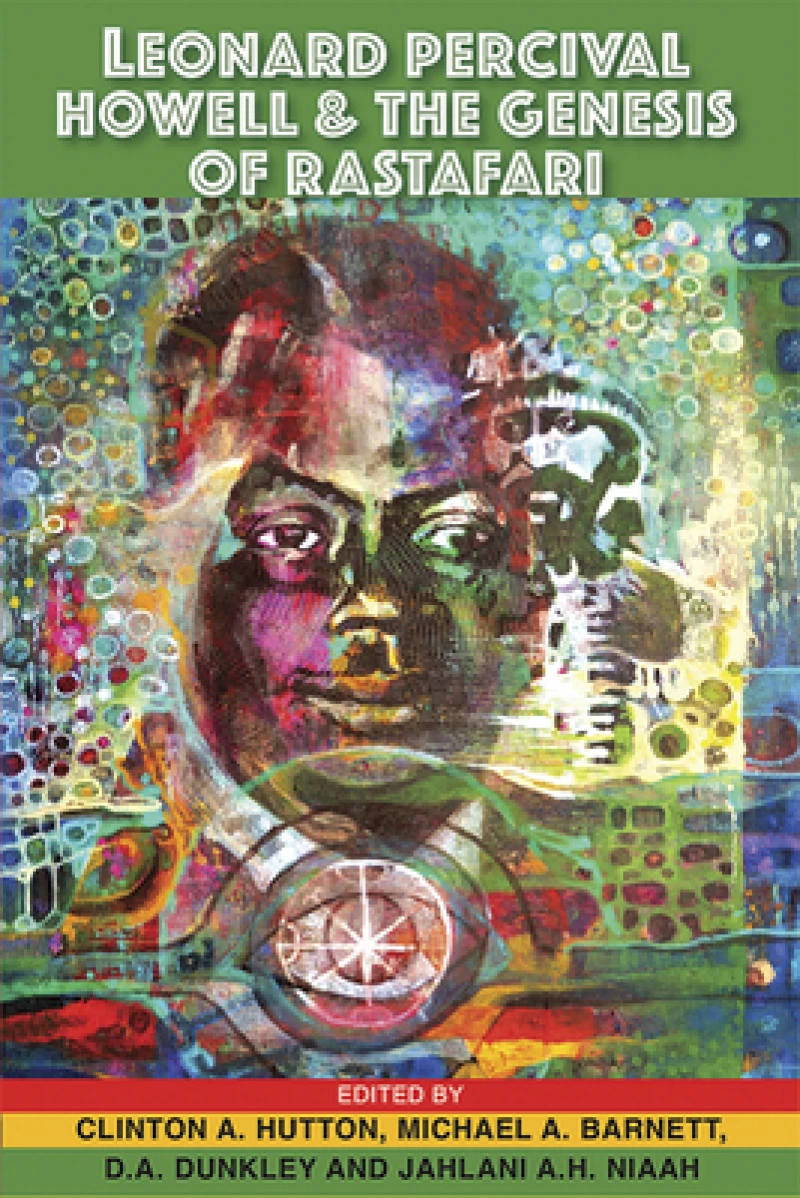
Leonard Percival Howell and the Genesis of Rastafari
Book Details
Format
Paperback / Softback
ISBN-10
9766405492
ISBN-13
9789766405496
Publisher
University of the West Indies Press
Imprint
University of the West Indies Press
Country of Manufacture
GB
Country of Publication
GB
Publication Date
Sep 30th, 2015
Print length
286 Pages
Weight
440 grams
Dimensions
22.80 x 15.20 x 1.60 cms
Ksh 4,850.00
Werezi Extended Catalogue
0 in stock
Delivery Location
Delivery fee: Select location
Secure
Quality
Fast
The contributors to this volume have found the language and concepts by which to interpret Leonard Howell and the origins of the Rastafari movement in the 1930s. This volume is richly documented from the archives, and from interviews, and is informed by multidisciplinary methods, so the reader is treated to an authoritative and comprehensive collection of essays.
“The contributors to this volume have found the language and concepts by which to interpret Leonard Howell and the origins of the Rastafari movement in the 1930s. This volume is richly documented from the archives, and from interviews, and is informed by multidisciplinary methods, so the reader is treated to an authoritative and comprehensive collection of essays.
“Leonard Howell was persecuted over five decades by the British colonial state and by Jamaican governments since independence in 1962. It is in this context that Howell defined the main tenets of the movement, a movement that has now spread globally. All the major themes of his thinking, such as African redemption, the divinity of Haile Selassie, repatriation, and the struggle for freedom and self-reliance are discussed. Howell challenged British colonialism and Jamaican elites in a very different way from the approaches used by the middle-class intelligentsia. He focused, rather, on a new way of seeing God, King and self, thus creating an alternative way of being in the world. Developing Marcus Garvey’s focus on Africa, Leonard Howell and his followers reclaimed their ancestral identity from the dehumanized condition left by British slavery and colonialism. Howell’s communal settlement on ‘Pinnacle’ was an alternative communal space for Rastafari artisans, musicians and peasant farmers.”—Rupert Lewis, Professor Emeritus, Department of Government, University of the West Indies, Mona, Jamaica
“Leonard Howell was persecuted over five decades by the British colonial state and by Jamaican governments since independence in 1962. It is in this context that Howell defined the main tenets of the movement, a movement that has now spread globally. All the major themes of his thinking, such as African redemption, the divinity of Haile Selassie, repatriation, and the struggle for freedom and self-reliance are discussed. Howell challenged British colonialism and Jamaican elites in a very different way from the approaches used by the middle-class intelligentsia. He focused, rather, on a new way of seeing God, King and self, thus creating an alternative way of being in the world. Developing Marcus Garvey’s focus on Africa, Leonard Howell and his followers reclaimed their ancestral identity from the dehumanized condition left by British slavery and colonialism. Howell’s communal settlement on ‘Pinnacle’ was an alternative communal space for Rastafari artisans, musicians and peasant farmers.”—Rupert Lewis, Professor Emeritus, Department of Government, University of the West Indies, Mona, Jamaica
Get Leonard Percival Howell and the Genesis of Rastafari by at the best price and quality guaranteed only at Werezi Africa's largest book ecommerce store. The book was published by University of the West Indies Press and it has pages.

