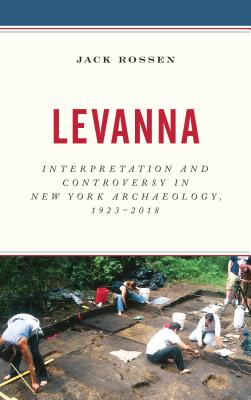
Levanna : Interpretation and Controversy in New York Archaeology, 1923-2018
by
Jack Rossen
Book Details
Format
Paperback / softback
ISBN-10
153815840X
ISBN-13
9781538158401
Publisher
Bloomsbury Publishing Plc
Imprint
Rowman & Littlefield
Country of Manufacture
US
Country of Publication
GB
Publication Date
May 6th, 2021
Print length
216 Pages
Weight
308 grams
Dimensions
22.00 x 15.30 x 1.20 cms
Product Classification:
US NortheastUS Northeast: Mid-Atlantic StatesRelating to Native American people / First AmericansHistory of the AmericasSocial & cultural historyArchaeologyIndigenous peoples / IndigeneityIndigenous peoplesHistory of the AmericasSocial and cultural historyArchaeologyLocal history
KSh 6,400.00
Currently unavailable
0 in stock
Delivery Location
Delivery fee: Select location
Secure
Quality
Fast
This book discusses archaeological research and representation of Native American lifeways at the Levanna site from 1923-1941 and through the 2007-9 re-excavations and artifact analyses, along with the supporting excavations at the Myers Farm site.
This book discusses archaeological research and representation of Native American lifeways at the Levanna site from 1923-1941 and through the 2007-9 re-excavations and artifact analyses, along with the supporting excavations at the Myers Farm site.
Get Levanna by Jack Rossen at the best price and quality guaranteed only at Werezi Africa's largest book ecommerce store. The book was published by Bloomsbury Publishing Plc and it has 216 pages.
Customers Who Bought This Also Bought

Crusade for Justice – The Autobiography of Ida B. Wells, Second Edition
KSh 4,050.00

Killers of the Flower Moon
KSh 2,000.00

Warmth of Other Suns
KSh 3,050.00

Frederick Douglass
KSh 3,350.00
107 Days
KSh 4,500.00

Second Treatise of Government – Norton Library
KSh 1,600.00

Tuesdays With Morrie
KSh 2,000.00
My Bondage and My Freedom
KSh 1,600.00

Hidden Figures
KSh 2,000.00

America, América
KSh 3,650.00

Holding the Line
KSh 2,000.00

Nuclear Folly
KSh 3,050.00