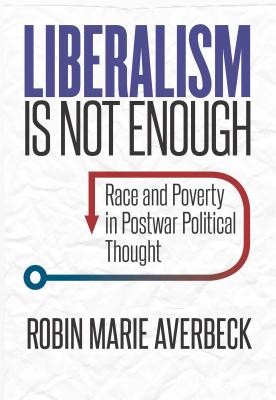
Liberalism Is not Enough : Race and Poverty in Postwar Political Thought
Book Details
Format
Paperback / softback
ISBN-10
1469646641
ISBN-13
9781469646640
Publisher
The University of North Carolina Press
Imprint
The University of North Carolina Press
Country of Manufacture
US
Country of Publication
GB
Publication Date
Nov 12th, 2018
Print length
160 Pages
Weight
242 grams
Dimensions
15.60 x 23.40 x 1.30 cms
KSh 4,150.00
Currently unavailable
0 in stock
Delivery Location
Delivery fee: Select location
Secure
Quality
Fast
This intellectual history of the fraught relationship between race and poverty in the 1960s offers a sustained critique of the fundamental assumptions that structured thought and action on the postwar American left. Robin Marie Averbeck argues that these thinkers helped construct policies that never truly attempted a serious attack on the sources of racial inequality and injustice.
In this intellectual history of the fraught relationship between race and poverty in the 1960s, Liberalism Is Not Enough offers a sustained critique of the fundamental assumptions that structured thought and action on the postwar American left. Focusing on the figures associated with ""Great Society liberalism"" like Daniel Patrick Moynihan, David Riesman, and Arthur Schlesinger Jr., Robin Marie Averbeck argues that these thinkers helped construct policies that never truly attempted a serious attack on the sources of racial inequality and injustice.
In Averbeck''s telling, the Great Society''s most notable achievements-the Civil Rights Act and the Voting Rights Act-came only after unrelenting and unprecedented organizing by black Americans made changing the inequitable status quo politically necessary. And even so, the discourse about poverty created by liberals had inherently conservative qualities. Liberalism''s historical relationship with capitalism shaped both the initial content of liberal scholarship on poverty and its ultimate usefulness to a resurgent conservative movement. This is not merely the history of a particular idea, but a critique of the fundamental assumptions that structured postwar American liberalism.
In Averbeck''s telling, the Great Society''s most notable achievements-the Civil Rights Act and the Voting Rights Act-came only after unrelenting and unprecedented organizing by black Americans made changing the inequitable status quo politically necessary. And even so, the discourse about poverty created by liberals had inherently conservative qualities. Liberalism''s historical relationship with capitalism shaped both the initial content of liberal scholarship on poverty and its ultimate usefulness to a resurgent conservative movement. This is not merely the history of a particular idea, but a critique of the fundamental assumptions that structured postwar American liberalism.
Get Liberalism Is not Enough by Robin Marie Averbeck at the best price and quality guaranteed only at Werezi Africa's largest book ecommerce store. The book was published by The University of North Carolina Press and it has 160 pages.
Customers Who Bought This Also Bought
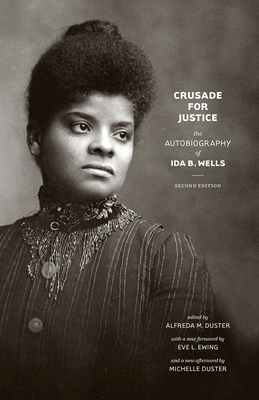
Crusade for Justice – The Autobiography of Ida B. Wells, Second Edition
KSh 4,050.00

Killers of the Flower Moon
KSh 2,000.00
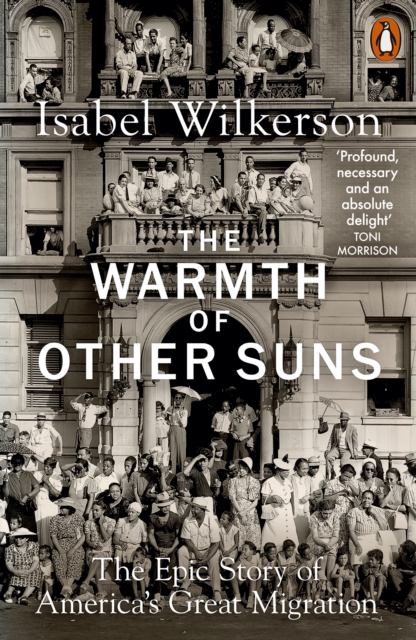
Warmth of Other Suns
KSh 3,050.00

Frederick Douglass
KSh 3,350.00
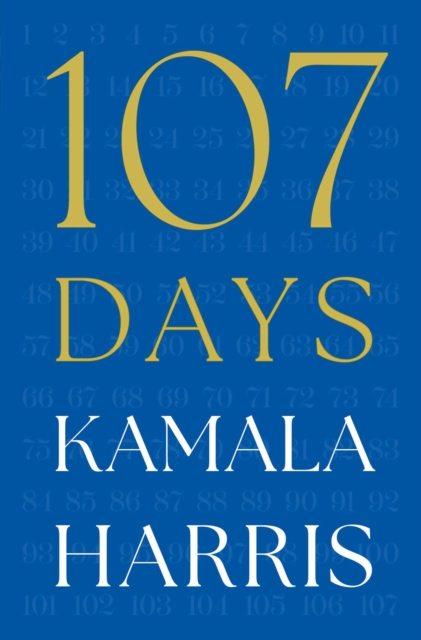
107 Days
KSh 4,500.00

Second Treatise of Government – Norton Library
KSh 1,600.00

Tuesdays With Morrie
KSh 2,000.00
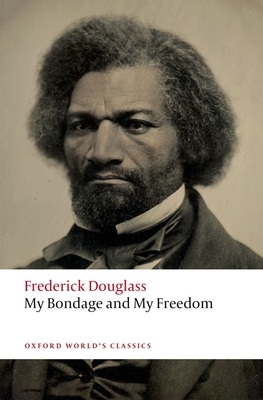
My Bondage and My Freedom
KSh 1,600.00

Hidden Figures
KSh 2,000.00
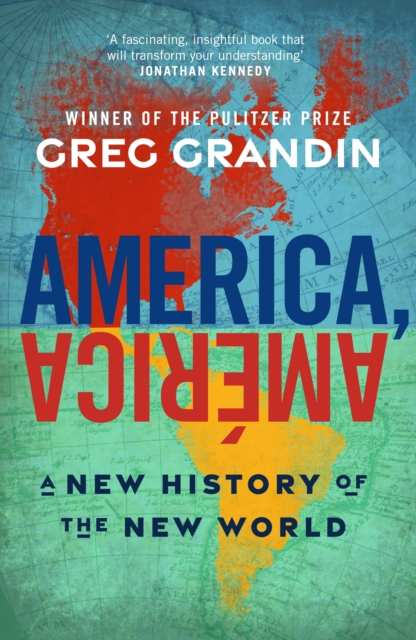
America, América
KSh 3,650.00
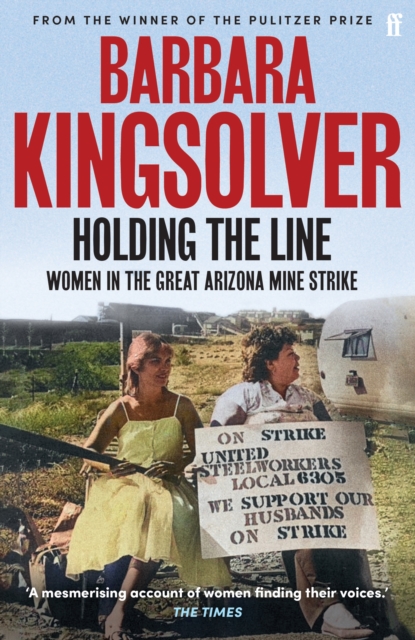
Holding the Line
KSh 2,000.00

Nuclear Folly
KSh 3,050.00