
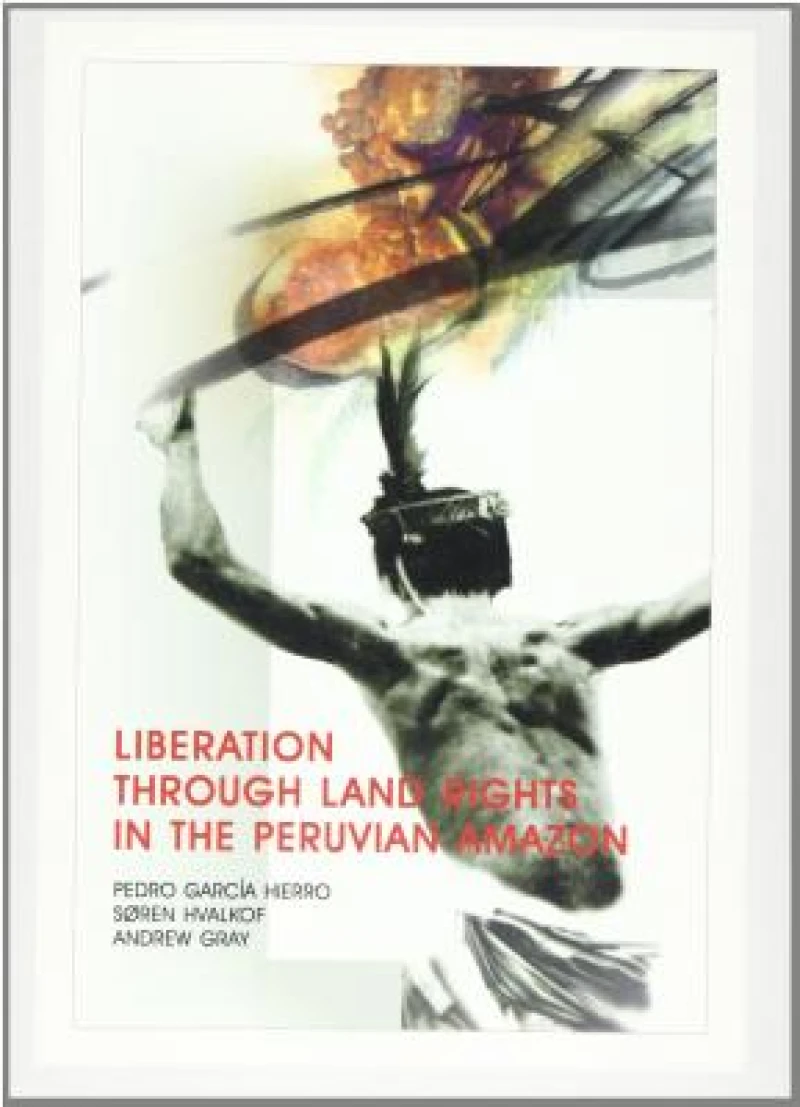
Liberation through Land Rights in the Peruvian Amazon
Book Details
Delivery Location
Delivery fee: Select location
This book is an attempt to reflect on the process which made the Ucayali titling project possible. Begun in 1986 and involving the AIDESEP, IWGIA and OIRA, it was an innovative and essential first step in the process towards indigenous self-management.
Ucayalai is on of the provinces of the Peruvian Amazon whose economy is based on the extraction of natural resources. Indigenous peoples, in Ucayali as in other parts of the world, consider the demarcation and titling of their territories to be one of their principle demands. In the case of Ucayali, this demand was an urgent need given the serious human rights violations that were being committed against the indigenous population.
The Ucayali titling project, begun in 1986 and involving the national indigenous organisation AIDESEP, IWGIA and the newly established Regional Indigenous Organisation of Atalaya (OIRA), was an innovative and essential first step in the process towards self-management. It was more than just a process of legalisation of indigenous lands – it also represented a valuable contribution to the process of democratisation. It took as its starting point the definition of communal boundaries by the indigenous people themselves, according to their needs. It was implemented wholly by the indigenous organisation and its technical team.
This book is an attempt to reflect on the process which made this project possible. It gathers together some of the testimonies from enslaved indigenous people which served as the basis for support of the project, together with a socio-legal analysis of the situation. It presentes a history of the Atalaya and the Gran Pajonal region, and described and analyses the actual implementation of the project.
Get Liberation through Land Rights in the Peruvian Amazon by at the best price and quality guaranteed only at Werezi Africa's largest book ecommerce store. The book was published by International Work Group for Indigenous Affairs and it has pages.

