
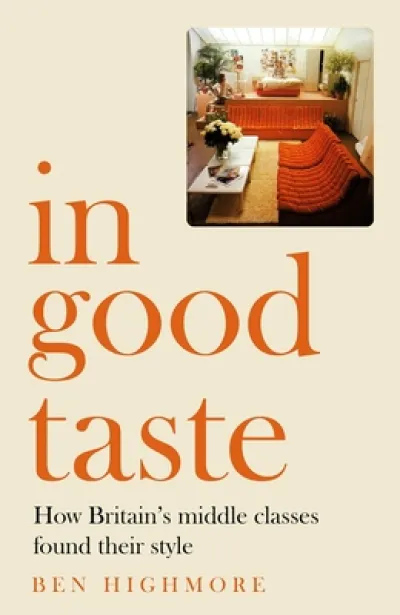
Lifestyle Revolution : How Taste Changed Class in Late 20th-Century Britain
by
Ben Highmore
Book Details
Format
Hardback or Cased Book
ISBN-10
1526108828
ISBN-13
9781526108821
Publisher
Manchester University Press
Imprint
Manchester University Press
Country of Manufacture
GB
Country of Publication
GB
Publication Date
Feb 21st, 2023
Print length
248 Pages
Weight
804 grams
Dimensions
18.00 x 25.10 x 3.00 cms
Product Classification:
Art & design styles: from c 1960British & Irish historySocial & cultural historyEconomic history
Ksh 5,100.00
Werezi Extended Catalogue
Delivery in 14 days
1 copies in stock
Delivery Location
Delivery fee: Select location
Delivery in 14 days
Secure
Quality
Fast
Lifestyle revolution charts how class culture, which many thought would be dissolved by mass consumption, was remade in the postwar period from flat-pack furniture, Mediterranean cuisine and lifestyle magazines – as a world of symbolic goods became an intimate environment alive with new feelings and attitudes. -- .
In postwar Britain, journalists and politicians predicted that the class system would not survive a consumer culture where everyone had TVs and washing machines, and where more and more people owned their own homes. They were to be proved hopelessly wrong. Lifestyle revolution charts how class culture, rather than being destroyed by mass consumption, was remade from flat-pack furniture, Mediterranean cuisine and lifestyle magazines. Novelists, cartoonists and playwrights satirised the tastes of the emerging middle classes, while sociologists claimed that an entire population was suffering from ''status anxiety'', but underneath it all, a new order was being constructed out of duvets, quiches and mayonnaise, easy chairs from Habitat, white emulsion paint and ubiquitous pine kitchen tables. More than just a world of symbolic goods, this was an intimate environment alive with new feelings and attitudes.
Get Lifestyle Revolution by at the best price and quality guaranteed only at Werezi Africa's largest book ecommerce store. The book was published by Manchester University Press and it has pages.

