
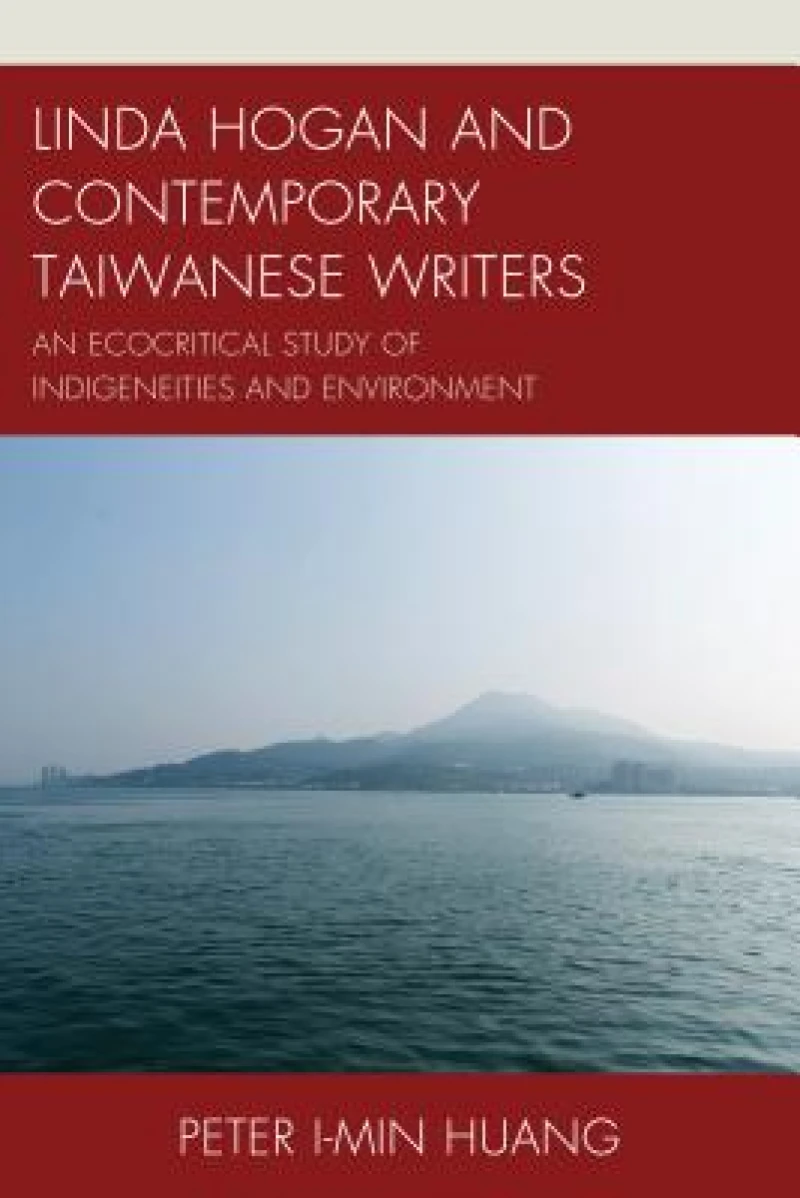
Linda Hogan and Contemporary Taiwanese Writers : An Ecocritical Study of Indigeneities and Environment
Book Details
Format
Paperback / Softback
Book Series
Ecocritical Theory and Practice
ISBN-10
1498521649
ISBN-13
9781498521642
Publisher
Bloomsbury Publishing Plc
Imprint
Lexington Books
Country of Manufacture
GB
Country of Publication
GB
Publication Date
Apr 12th, 2019
Print length
176 Pages
Weight
277 grams
Dimensions
22.30 x 15.30 x 1.30 cms
Product Classification:
Literary studies: generalIndigenous peoples
Ksh 7,300.00
Manufactured on Demand
0 in stock
Delivery Location
Delivery fee: Select location
Secure
Quality
Fast
Linda Hogan and Contemporary Taiwanese Writers: an Ecocritical Study of Indigeneities and Environment is the first full length single-authored study of Native American writer Linda Hogan and the first book to address Hogan’s poetry and prose primarily from ecocritical perspectives (inclusive of ecofeminism, environmental justice, postcolonial ecocriticism, and animal studies). It also is unique for the reason that it is a comparative study of the work of Hogan and writings by Taiwanese environmental writers, scholars, and activists. Chapter One, which serves as the introduction to the book, written by and from the perspective of an indigene, begins by giving readers a glimpse into the kind of world in the east in which the author came of age. It then relates this world to the western worlds that Hogan writes about in her poetry and prose. Chapter Two focuses on Hogan’s most recently published novel, People of the Whale (2008), and on the arguments that the novel makes about the environmentally unsustainable acts of corporate globalization that involve the trade in endangered animal species. Huang relates those arguments to the oil industry in Taiwan and to the extirpation of cetacean species in the waters of Taiwan by this industry. Chapter Three is an analysis of the novel Mean Spirit (1990). Huang reads this novel mostly through the lens of environmental justice arguments. Chapter Four addresses the novel Solar Storms (1995) from the perspective of ecofeminist theory and in the context of the issue of the escalation of mega-dams in East Asia. Chapter Five analyses the novel Power from animal studies perspectives. Chapter Six is a comparative studies reading of poems by several prominent Chinese, Taiwanese, and Aboriginal poets—Taiwanese poet Ka-hsiang Liu, Paiwan poet Mona Neng, Atayal poet Walis Nokan, and Chinese-Taiwanese poet Guangzhong Yu—and Hogan’s latest collection of poetry, entitled Dark. Sweet: New & Selected Poems (2014). In his reading of this work, Huang relies on a definition of “ecopoetry” in Ann Fisher-Wirth and Laura-Gray Street’s recently published The Ecopoetry Anthology (2013). He also brings together the main theoretical ecocritical terms that he discusses in the previous chapters.
Linda Hogan and Contemporary Taiwanese Writers: an Ecocritical Study of Indigeneities and Environment is the first full length single-authored study of Native American writer Linda Hogan and the first book to address Hogan’s poetry and prose primarily from ecocritical perspectives (inclusive of ecofeminism, environmental justice, postcolonial ecocriticism, and animal studies). It also is unique for the reason that it is a comparative study of the work of Hogan and writings by Taiwanese environmental writers, scholars, and activists. Chapter One, which serves as the introduction to the book, written by and from the perspective of an indigene, begins by giving readers a glimpse into the kind of world in the east in which the author came of age. It then relates this world to the western worlds that Hogan writes about in her poetry and prose. Chapter Two focuses on Hogan’s most recently published novel, People of the Whale (2008), and on the arguments that the novel makes about the environmentally unsustainable acts of corporate globalization that involve the trade in endangered animal species. Huang relates those arguments to the oil industry in Taiwan and to the extirpation of cetacean species in the waters of Taiwan by this industry. Chapter Three is an analysis of the novel Mean Spirit (1990). Huang reads this novel mostly through the lens of environmental justice arguments. Chapter Four addresses the novel Solar Storms (1995) from the perspective of ecofeminist theory and in the context of the issue of the escalation of mega-dams in East Asia. Chapter Five analyses the novel Power from animal studies perspectives. Chapter Six is a comparative studies reading of poems by several prominent Chinese, Taiwanese, and Aboriginal poets—Taiwanese poet Ka-hsiang Liu, Paiwan poet Mona Neng, Atayal poet Walis Nokan, and Chinese-Taiwanese poet Guangzhong Yu—and Hogan’s latest collection of poetry, entitled Dark. Sweet: New & Selected Poems (2014). In his reading of this work, Huang relies on a definition of “ecopoetry” in Ann Fisher-Wirth and Laura-Gray Street’s recently published The Ecopoetry Anthology (2013). He also brings together the main theoretical ecocritical terms that he discusses in the previous chapters.
Get Linda Hogan and Contemporary Taiwanese Writers by at the best price and quality guaranteed only at Werezi Africa's largest book ecommerce store. The book was published by Bloomsbury Publishing Plc and it has pages.

