
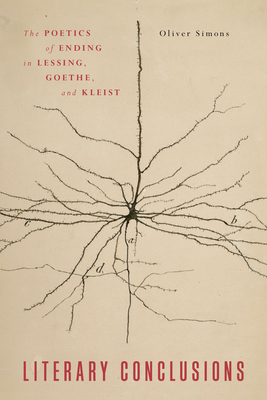
Literary Conclusions : The Poetics of Ending in Lessing, Goethe, and Kleist
Book Details
Format
Paperback / softback
ISBN-10
0810144794
ISBN-13
9780810144798
Publisher
Northwestern University Press
Imprint
Northwestern University Press
Country of Manufacture
GB
Country of Publication
GB
Publication Date
Apr 30th, 2022
Print length
240 Pages
Weight
151 grams
Dimensions
22.60 x 15.00 x 1.60 cms
KSh 5,200.00
Currently unavailable
0 in stock
Delivery Location
Delivery fee: Select location
Secure
Quality
Fast
Presents a new theory of textual endings in eighteenth-century literature and thought. Analysing works by Gotthold Ephraim Lessing, Johann Wolfgang von Goethe, and Heinrich von Kleist, Oliver Simons shows how the emergence of new kinds of literary endings around 1800 is inextricably linked to the history of philosophical and scientific concepts.
Endings are not just singular moments in time, but the outcomes of a process. And whatever a book's conclusion, its form has a history. Literary Conclusions presents a new theory of textual endings in eighteenth-century literature and thought. Analyzing essential works by Gotthold Ephraim Lessing, Johann Wolfgang von Goethe, and Heinrich von Kleist, Oliver Simons shows how the emergence of new kinds of literary endings around 1800 is inextricably linked to the history of philosophical and scientific concepts.
Simons examines the interrelations of Lessing's literary endings with modes of logical conclusion; he highlights how Goethe's narrative closures are forestalled by an uncontrollable vital force that was discussed in the sciences of the time; and he reveals that Kleist conceived of literary genres themselves as forms of reasoning. Kleist's endings, Simons demonstrates, mark the beginning of modernism. Through close readings of these authors and supplemental analyses of works by Walter Benjamin, Friedrich Hölderlin, and Georg Wilhelm Friedrich Hegel, his study crafts an elegant theory of conclusions that revises established histories of literary genres and forms.
Simons examines the interrelations of Lessing's literary endings with modes of logical conclusion; he highlights how Goethe's narrative closures are forestalled by an uncontrollable vital force that was discussed in the sciences of the time; and he reveals that Kleist conceived of literary genres themselves as forms of reasoning. Kleist's endings, Simons demonstrates, mark the beginning of modernism. Through close readings of these authors and supplemental analyses of works by Walter Benjamin, Friedrich Hölderlin, and Georg Wilhelm Friedrich Hegel, his study crafts an elegant theory of conclusions that revises established histories of literary genres and forms.
Get Literary Conclusions by Oliver Simons at the best price and quality guaranteed only at Werezi Africa's largest book ecommerce store. The book was published by Northwestern University Press and it has 240 pages.
Customers Who Bought This Also Bought
How to Read a Book
KSh 2,000.00
Decolonising the Mind
KSh 4,700.00

How to Read & Why
KSh 2,350.00
Arabian Nights'' Entertainments
KSh 2,950.00
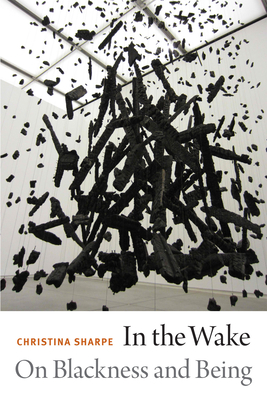
In the Wake
KSh 3,600.00
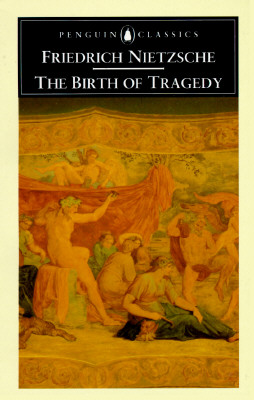
The Birth of Tragedy
KSh 1,800.00
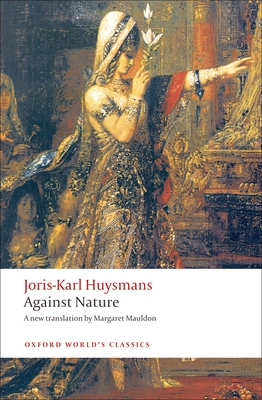
Against Nature
KSh 1,800.00
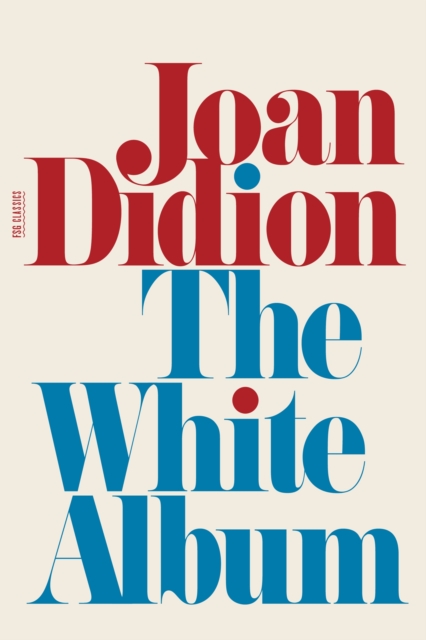
The White Album
KSh 3,250.00
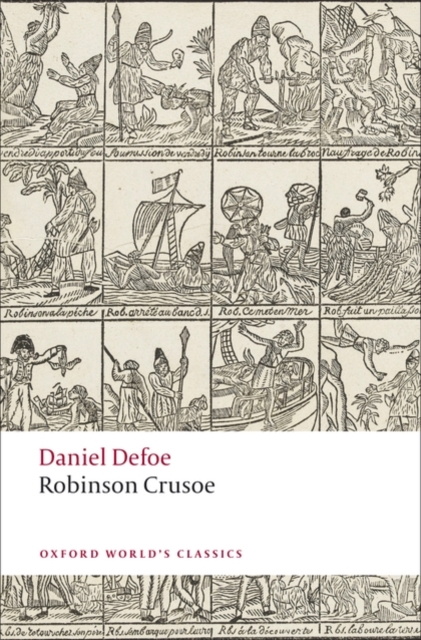
Robinson Crusoe
KSh 1,450.00
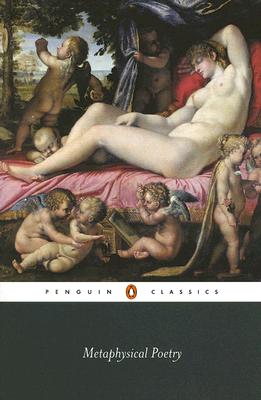
Metaphysical Poetry
KSh 2,350.00
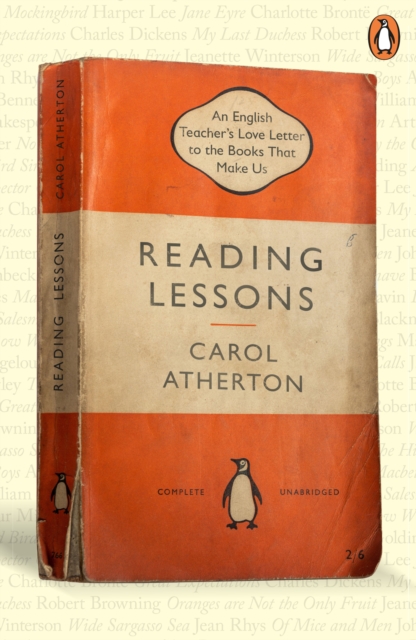
Reading Lessons
KSh 2,350.00

Literature Book
KSh 4,250.00


