
Cart 0
Literary Forgery in Early Modern Europe, 1450–1800
Click to zoom

Share this book

Literary Forgery in Early Modern Europe, 1450–1800

Book Details

Format Hardback or Cased Book
ISBN-10 1421426870
ISBN-13 9781421426877
Publisher Johns Hopkins University Press
Imprint Johns Hopkins University Press
Country of Manufacture US
Country of Publication GB
Publication Date Mar 12th, 2019
Print length 312 Pages
Weight 544 grams
Dimensions 23.20 x 19.20 x 2.50 cms
Ksh 8,000.00
Werezi Extended Catalogue Delivery in 28 days

Delivery Location

Delivery fee: Select location

Delivery in 28 days

Secure
Quality
Fast
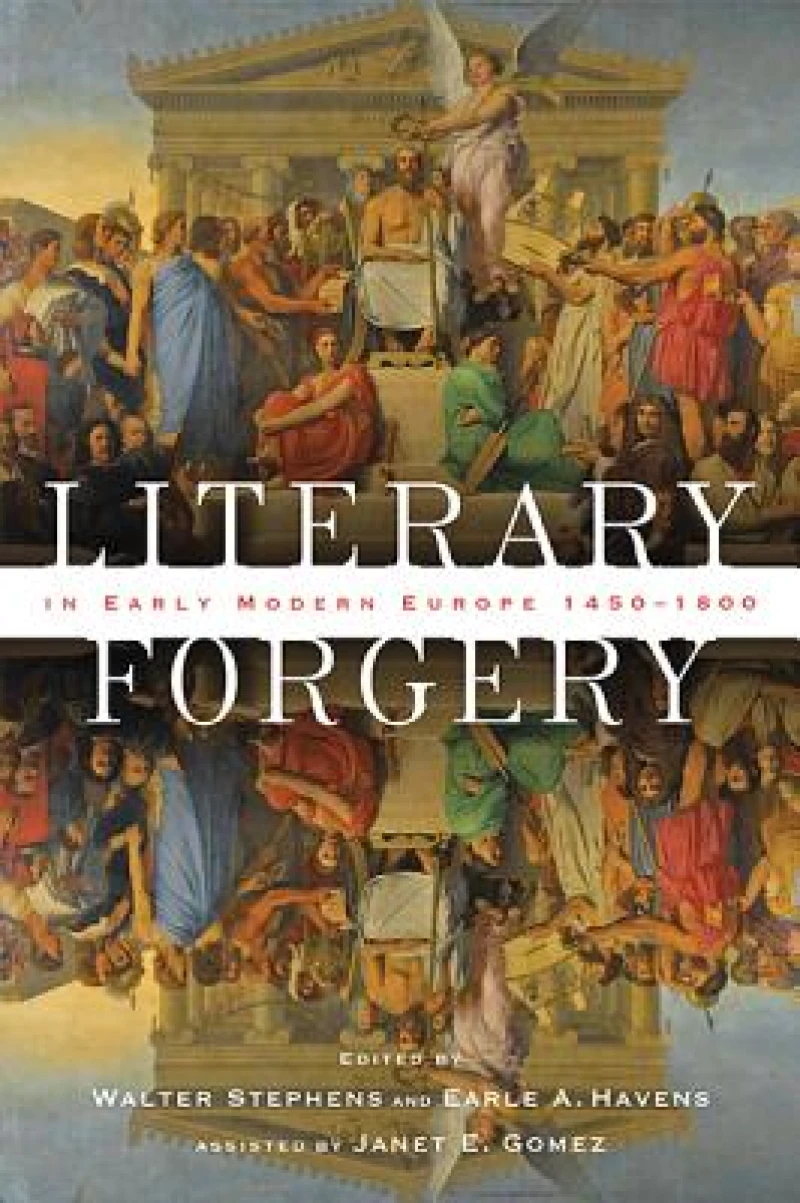
Why was the Renaissance also the golden age of forgery?Forgery is an eternal problem. In literature and the writing of history, suspiciously attributed texts can be uniquely revealing when subjected to a nuanced critique. False and spurious writings impinge on social and political realities to a degree rarely confronted by the biographical criticism of yesteryear. They deserve a more critical reading of the sort far more often bestowed on canonical works of poetry and prose fiction. The first comprehensive treatment of literary and historiographical forgery to appear in a quarter of a century, Literary Forgery in Early Modern Europe, 1450–1800 goes well beyond questions of authorship, spotlighting the imaginative vitality of forgery and its sinister impact on genuine scholarship. This volume demonstrates that early modern forgery was a literary tradition in its own right, with distinctive connections to politics, Greek and Roman classics, religion, philosophy, and modern literature. The thirteen essays draw immediate inspiration from Johns Hopkins University’s acquisition of the Bibliotheca Fictiva, the world’s premier research collection dedicated exclusively to the subject of literary forgery, which consists of several thousand rare books and unique manuscript materials from the early modern period and beyond. The early modern explosion in forgery of all kinds—particularly in the kindred documentary fields of literary and archaeological falsification—was the most visible symptom of a dramatic shift in attitudes toward historical evidence and in the relation of texts to contemporary society. The authors capture the impact of this evolution within many fundamental cultural transformations, including the rise of print, changing tastes and fortunes of the literary marketplace, and the Protestant and Catholic Reformations. Contributors: Frederic Clark, James Coleman, Richard Cooper, Arthur Freeman, Anthony Grafton, A. Katie Harris, Earle A. Havens, Jack Lynch, Shana D. O’Connell, Ingrid Rowland, Walter Stephens, Elly Truitt, Kate Tunstall

Why was the Renaissance also the golden age of forgery?

Forgery is an eternal problem. In literature and the writing of history, suspiciously attributed texts can be uniquely revealing when subjected to a nuanced critique. False and spurious writings impinge on social and political realities to a degree rarely confronted by the biographical criticism of yesteryear. They deserve a more critical reading of the sort far more often bestowed on canonical works of poetry and prose fiction.

The first comprehensive treatment of literary and historiographical forgery to appear in a quarter of a century, Literary Forgery in Early Modern Europe, 1450–1800 goes well beyond questions of authorship, spotlighting the imaginative vitality of forgery and its sinister impact on genuine scholarship. This volume demonstrates that early modern forgery was a literary tradition in its own right, with distinctive connections to politics, Greek and Roman classics, religion, philosophy, and modern literature. The thirteen essays draw immediate inspiration from Johns Hopkins University’s acquisition of the Bibliotheca Fictiva, the world’s premier research collection dedicated exclusively to the subject of literary forgery, which consists of several thousand rare books and unique manuscript materials from the early modern period and beyond.

The early modern explosion in forgery of all kinds—particularly in the kindred documentary fields of literary and archaeological falsification—was the most visible symptom of a dramatic shift in attitudes toward historical evidence and in the relation of texts to contemporary society. The authors capture the impact of this evolution within many fundamental cultural transformations, including the rise of print, changing tastes and fortunes of the literary marketplace, and the Protestant and Catholic Reformations.

Contributors: Frederic Clark, James Coleman, Richard Cooper, Arthur Freeman, Anthony Grafton, A. Katie Harris, Earle A. Havens, Jack Lynch, Shana D. O’Connell, Ingrid Rowland, Walter Stephens, Elly Truitt, Kate Tunstall


Get Literary Forgery in Early Modern Europe, 1450–1800 by at the best price and quality guaranteed only at Werezi Africa's largest book ecommerce store. The book was published by Johns Hopkins University Press and it has pages.


Mind, Body, & Spirit

Price

Ksh 8,000.00

Shopping Cart

Africa largest book store

Sub Total:
Ebooks

Digital Library
Coming Soon

Our digital collection is currently being curated to ensure the best possible reading experience on Werezi. We'll be launching our Ebooks platform shortly.