

Living Cities : Three Centuries of Park Systems
Book Details
Delivery Location
Delivery fee: Select location
Delivery in 12 days
The creation of park systems is a historically proven method for communities to stabilise and cultivate healthy ecological habitats in country dwellings as well as in dense urban areas. Park systems ensure clean soil, water, and air for all. Moreover, they offer inter-generational and inclusive recreational opportunities along ecological corridors. Between 1900 and 1950, civic design — a practice in urban and landscape planning explicitly oriented towards the common good — experienced a heyday. Park systems were successfully used as “green armatures” hosting public facilities such as playgrounds, schools, administrative buildings, hospitals, and gardens.
Living Cities offers a chronological survey of civic design based on more than 30 park systems on five continents. The examples range from Johann Wolfgang von Goethe''s Park an der Ilm in Weimar (1778) and John Nash’s Regent Street in London (1806) to Chicago’s park system (1850), Albert Bodmer and Maurice Braillard’s plans for Geneva (1936), and Frank Lloyd Wright’s Taliesin Valley (1947), as well as to contemporary and future projects in Addis Ababa, Madrid, Medellín, New York, and Seoul. Matthew Skjonsberg’s book demonstrates the ecological and social impact of park systems and highlights the diverse challenges that communities face when implementing such projects. At the same time, it encourages a re-evaluation of civic design as an inter-generational practice of urban design.
Get Living Cities by Matthew Skjonsberg at the best price and quality guaranteed only at Werezi Africa's largest book ecommerce store. The book was published by Park Books and it has 288 pages.
Customers Who Bought This Also Bought
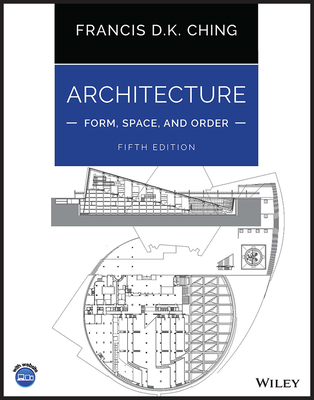
Architecture – Form, Space, & Order
KSh 8,700.00
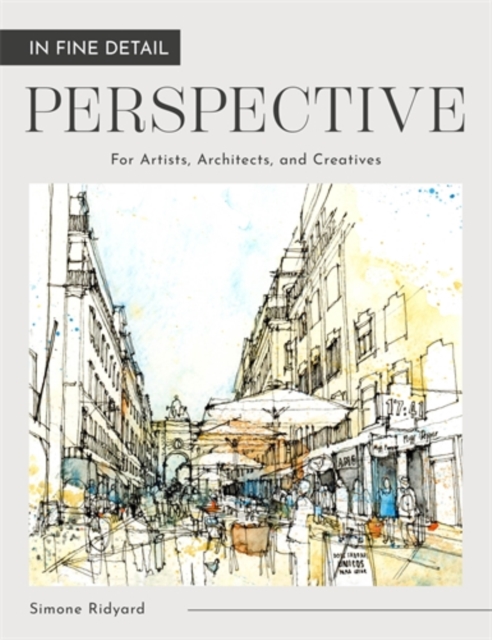
In Fine Detail: Perspective
KSh 3,700.00
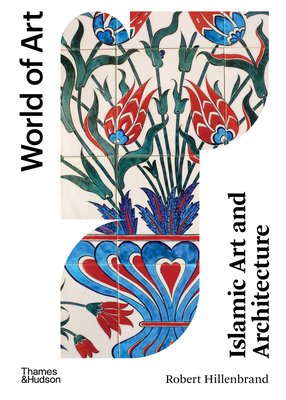
Islamic Art and Architecture
KSh 3,600.00

Classical Architecture
KSh 8,700.00
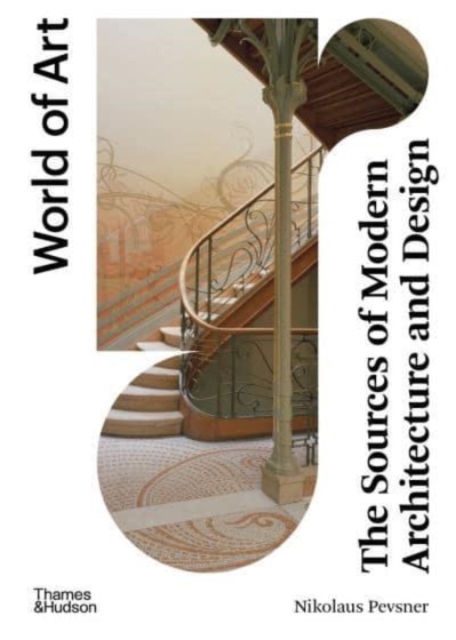
The Sources of Modern Architecture and Design
KSh 3,400.00
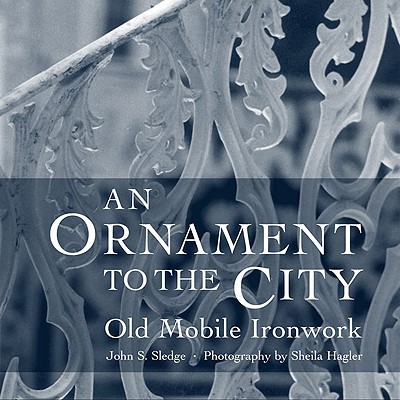
An Ornament to the City
KSh 10,450.00

Frank Lloyd Wright Designs
KSh 18,550.00
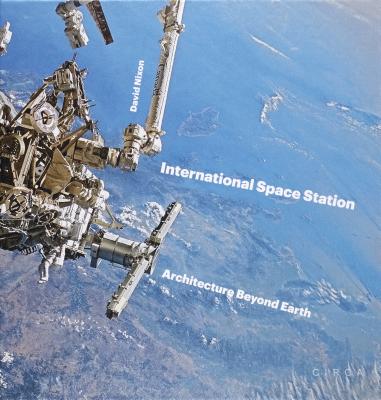
International Space Station
KSh 11,700.00
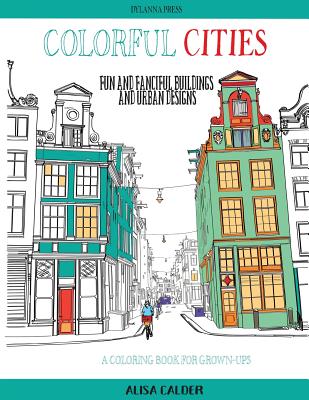
Colorful Cities
KSh 2,050.00
The Culture Factory
KSh 3,600.00
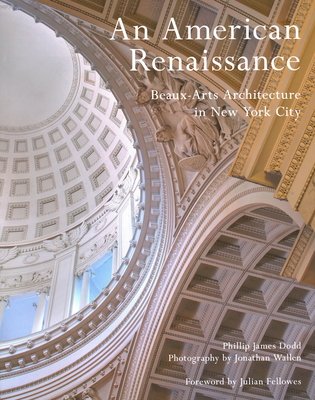
American Renaissance
KSh 18,700.00

Zürich Primer
KSh 8,900.00
