
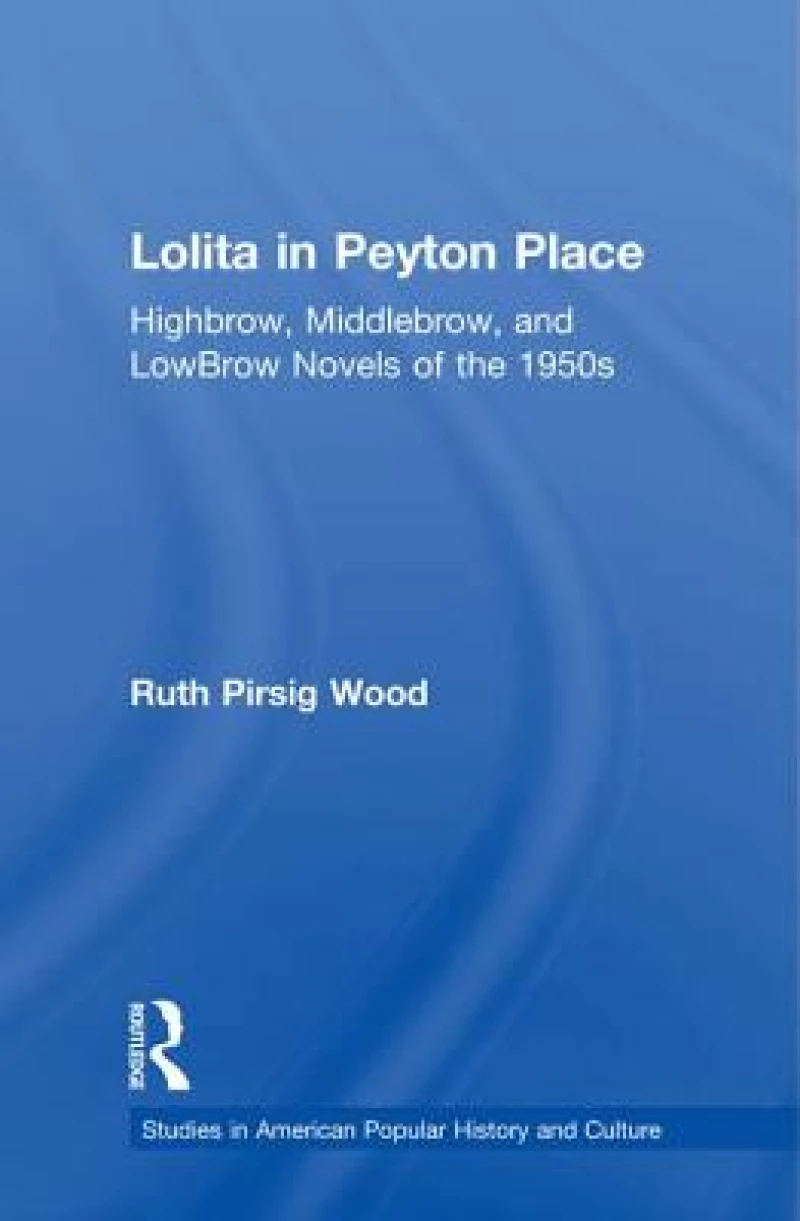
Lolita in Peyton Place : Highbrow, Middlebrow, and LowBrow Novels of the 1950s
Book Details
Format
Paperback / Softback
Book Series
Studies in American Popular History and Culture
ISBN-10
113898003X
ISBN-13
9781138980037
Publisher
Taylor & Francis Ltd
Imprint
Routledge
Country of Manufacture
GB
Country of Publication
GB
Publication Date
Apr 27th, 2016
Print length
178 Pages
Weight
330 grams
Product Classification:
History
Ksh 9,550.00
Werezi Extended Catalogue
0 in stock
Delivery Location
Delivery fee: Select location
Secure
Quality
Fast
This book analyzes the differences in content, reader expectation, and social/moral/ethical functions of the three types of novels in America of the 1950s. It challenges the notion that highbrow novels (Lolita ) do important cultural work while popular novels contribute to personal and social decay, and examines how time periods influence the moral content of novels. The book separates popular fiction into lowbrow (Peyton Place ) and middlebrow (Man in the Grey Flannel Suit ) and explains that lowbrow (like highbrow) evolves from the folklore tradition and contains messages about how to be a good man or good woman and how to find a satisfying niche in the social order. Middlebrow, on the other hand, evolves from myth tradition and relates lessons on what personal adjustments need to be made to succeed in the economic order. Middlebrow novels most reflect the time and place of their writing because conditions for economic survival change more than conditions for social survival. Arguing that what most distinguishes highbrow from lowbrow is the audience, highbrow writers try to separate from the flock; lowbrow writers to include. This study differs from such well-known studies of popular fiction as John Cawelti's and Janice Radway's in looking beyond the surface features of plot, character, and theme. The book also challenges arguments that novels in which marriage is women's highest triumph and aggressive heroism men's reinforce limiting cultural paradigms.
This book analyzes the differences in content, reader expectation, and social/moral/ethical functions of the three types of novels in America of the 1950s. It challenges the notion that highbrow novels (Lolita ) do important cultural work while popular novels contribute to personal and social decay, and examines how time periods influence the moral content of novels. The book separates popular fiction into lowbrow (Peyton Place ) and middlebrow (Man in the Grey Flannel Suit ) and explains that lowbrow (like highbrow) evolves from the folklore tradition and contains messages about how to be a good man or good woman and how to find a satisfying niche in the social order. Middlebrow, on the other hand, evolves from myth tradition and relates lessons on what personal adjustments need to be made to succeed in the economic order. Middlebrow novels most reflect the time and place of their writing because conditions for economic survival change more than conditions for social survival. Arguing that what most distinguishes highbrow from lowbrow is the audience, highbrow writers try to separate from the flock; lowbrow writers to include. This study differs from such well-known studies of popular fiction as John Cawelti''s and Janice Radway''s in looking beyond the surface features of plot, character, and theme. The book also challenges arguments that novels in which marriage is women''s highest triumph and aggressive heroism men''s reinforce limiting cultural paradigms.
Get Lolita in Peyton Place by at the best price and quality guaranteed only at Werezi Africa's largest book ecommerce store. The book was published by Taylor & Francis Ltd and it has pages.

