
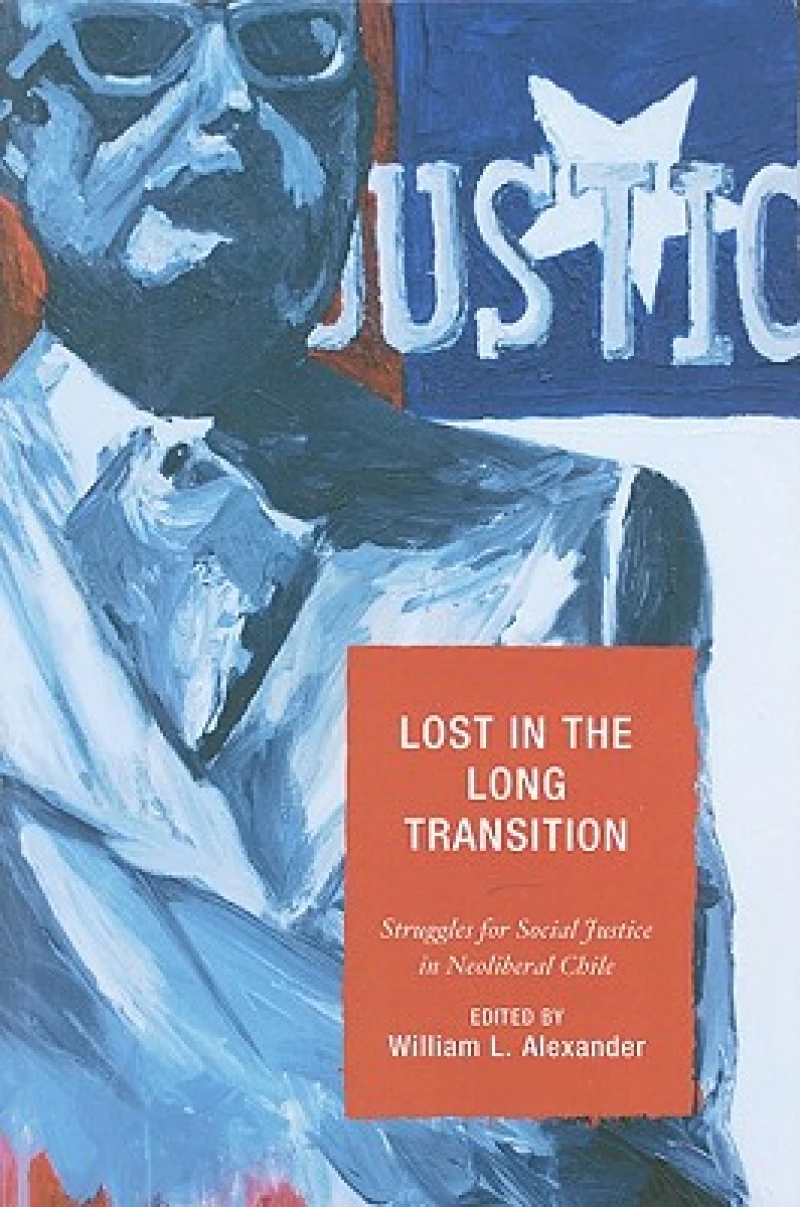
Lost in the Long Transition : Struggles for Social Justice in Neoliberal Chile
Book Details
Format
Paperback / Softback
ISBN-10
073911865X
ISBN-13
9780739118658
Publisher
Bloomsbury Publishing Plc
Imprint
Lexington Books
Country of Manufacture
GB
Country of Publication
GB
Publication Date
Sep 24th, 2009
Print length
216 Pages
Weight
329 grams
Dimensions
23.00 x 15.40 x 1.50 cms
Product Classification:
Human rights
Ksh 9,800.00
Manufactured on Demand
0 in stock
Delivery Location
Delivery fee: Select location
Secure
Quality
Fast
In Lost in the Long Transition, a group of scholars who conducted fieldwork research in post-dictatorship Chile during the transition to democracy critically examine the effects of the country's adherence to neoliberal economic development and social policies. Shifting government responsibility for social services and public resources to the private sector, reducing restrictions on foreign investment, and promoting free trade and export production, neoliberalism began during the Pinochet dictatorship and was adopted across Latin America in the 1980s. With the return of civilian government, the pursuit of justice and equity worked alongside a pact of compromise and an economic model that brought prosperity for some, entrenched poverty for others, and social consequences for all. The authors, who come from the disciplines of cultural anthropology, history, political science, and geography, focus their research perspectives on issues including privatization of water rights in arid lands, tuberculosis and the public health crisis, labor strikes and the changing role of unions, the environmental and cultural impacts of export development initiatives on small-scale fishing communities, natural resource conservation in the private sector, the political ecology of copper, the fight for affordable housing, homelessness and citizenship rights under the judicial system, and the gender experiences of returned exiles. In the years leading up to the global financial meltdown of 2008, many Latin American governments, responding to inequities at home and attempting to pull themselves out of debt dependency, moved away from the Chilean model. This book examines the social costs of that model and the growing resistance to neoliberalism in Chile, providing ethnographic details of the struggles of those excluded from its benefits. This research offers a look at the lives of those whose stories may have otherwise been Lost in the Long Transition.
In Lost in the Long Transition, a group of scholars who conducted fieldwork research in post-dictatorship Chile during the transition to democracy critically examine the effects of the country''s adherence to neoliberal economic development and social policies. Shifting government responsibility for social services and public resources to the private sector, reducing restrictions on foreign investment, and promoting free trade and export production, neoliberalism began during the Pinochet dictatorship and was adopted across Latin America in the 1980s. With the return of civilian government, the pursuit of justice and equity worked alongside a pact of compromise and an economic model that brought prosperity for some, entrenched poverty for others, and social consequences for all. The authors, who come from the disciplines of cultural anthropology, history, political science, and geography, focus their research perspectives on issues including privatization of water rights in arid lands, tuberculosis and the public health crisis, labor strikes and the changing role of unions, the environmental and cultural impacts of export development initiatives on small-scale fishing communities, natural resource conservation in the private sector, the political ecology of copper, the fight for affordable housing, homelessness and citizenship rights under the judicial system, and the gender experiences of returned exiles. In the years leading up to the global financial meltdown of 2008, many Latin American governments, responding to inequities at home and attempting to pull themselves out of debt dependency, moved away from the Chilean model. This book examines the social costs of that model and the growing resistance to neoliberalism in Chile, providing ethnographic details of the struggles of those excluded from its benefits. This research offers a look at the lives of those whose stories may have otherwise been Lost in the Long Transition.
Get Lost in the Long Transition by at the best price and quality guaranteed only at Werezi Africa's largest book ecommerce store. The book was published by Bloomsbury Publishing Plc and it has pages.

