
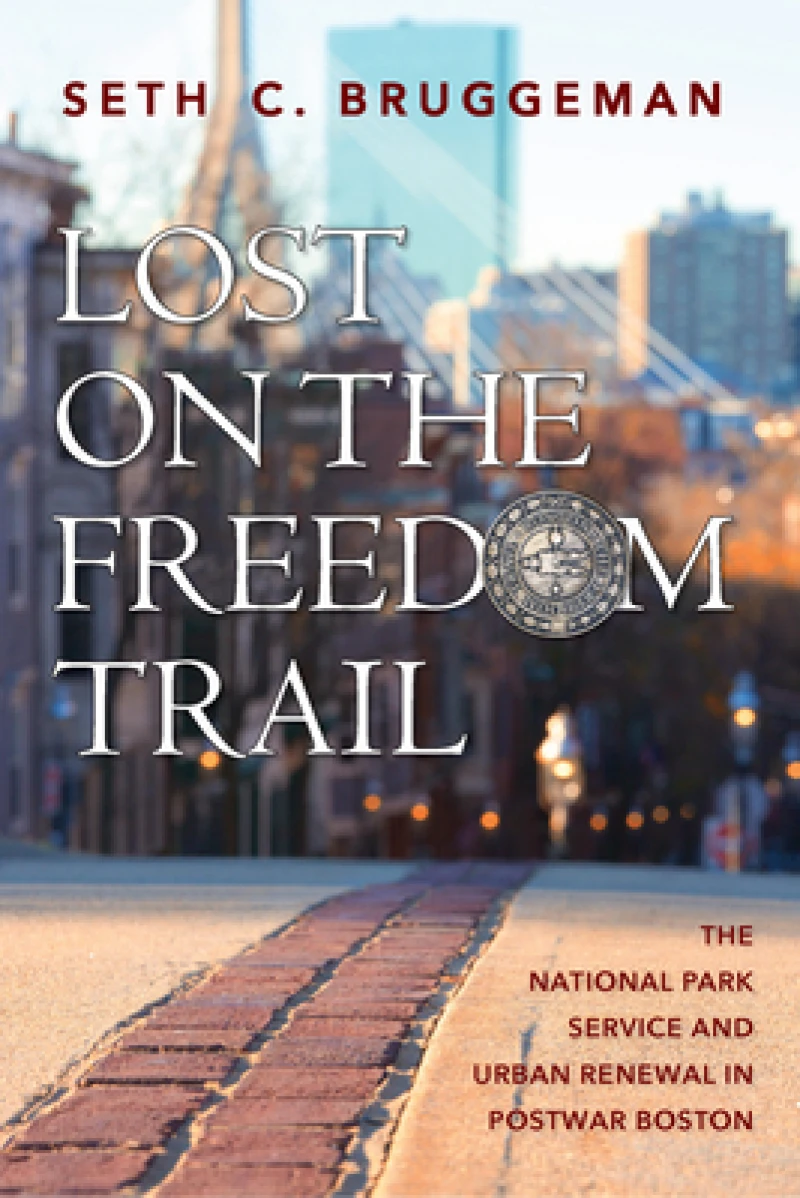
Lost on the Freedom Trail : The National Park Service and Urban Renewal in Postwar Boston
Book Details
Format
Hardback or Cased Book
Book Series
Public History in Historical Perspective
ISBN-10
1625346220
ISBN-13
9781625346223
Publisher
University of Massachusetts Press
Imprint
University of Massachusetts Press
Country of Manufacture
GB
Country of Publication
GB
Publication Date
Feb 25th, 2022
Print length
344 Pages
Weight
551 grams
Ksh 12,950.00
Temporarily out of stock, due soon
0 in stock
Delivery Location
Delivery fee: Select location
Secure
Quality
Fast
Argues that Boston National Historical Park’s Freedom Trail was always largely a tourist gimmick, devised to lure affluent white Americans into downtown revival schemes, its success hinging on a narrow vision of the city's history run through with old stories about heroic white men.
Boston National Historical Park is one of America's most popular heritage destinations, drawing in millions of visitors annually. Tourists flock there to see the site of the Boston Massacre, to relive Paul Revere's midnight ride, and to board Old Ironsides—all of these bound together by the iconic Freedom Trail, which traces the city's revolutionary saga.
Making sense of the Revolution, however, was never the primary aim for the planners who reimagined Boston's heritage landscape after the Second World War. Seth C. Bruggeman demonstrates that the Freedom Trail was always largely a tourist gimmick, devised to lure affluent white Americans into downtown revival schemes, its success hinging on a narrow vision of the city's history run through with old stories about heroic white men. When Congress pressured the National Park Service to create this historical park for the nation's bicentennial celebration in 1976, these ideas seeped into its organizational logic, precluding the possibility that history might prevail over gentrification and profit.
Making sense of the Revolution, however, was never the primary aim for the planners who reimagined Boston's heritage landscape after the Second World War. Seth C. Bruggeman demonstrates that the Freedom Trail was always largely a tourist gimmick, devised to lure affluent white Americans into downtown revival schemes, its success hinging on a narrow vision of the city's history run through with old stories about heroic white men. When Congress pressured the National Park Service to create this historical park for the nation's bicentennial celebration in 1976, these ideas seeped into its organizational logic, precluding the possibility that history might prevail over gentrification and profit.
Get Lost on the Freedom Trail by at the best price and quality guaranteed only at Werezi Africa's largest book ecommerce store. The book was published by University of Massachusetts Press and it has pages.

