

Low Carbon Research Methods : Making Equity and Epistemological Gains Through Decarbonising Academic Work
Book Details
Format
Paperback / softback
ISBN-10
1915983487
ISBN-13
9781915983480
Publisher
Goldsmith's Press
Imprint
Goldsmiths, University of London
Country of Manufacture
GB
Country of Publication
GB
Publication Date
Feb 10th, 2026
Print length
280 Pages
Weight
296 grams
Dimensions
22.90 x 15.30 x 2.00 cms
Product Classification:
Society and culture: generalSociety & culture: general
KSh 5,750.00
Werezi Extended Catalogue
Delivery in 12 days
5 copies in stock
Delivery Location
Delivery fee: Select location
Delivery in 12 days
Secure
Quality
Fast
Scholars around the world on how climate change stands to alter our research methods.
Current research norms are increasingly unsustainable for the planet and scholars alike. Dominant modes of research and research dissemination place a premium on frequent travel and ever-expanding and energy-intensive archives of digital data. This shapes the character of research and the research community, advantaging hyper-mobile, well-resourced scholarly subjects above others, deepening both the climate and labor crises in academia. Low Carbon Research Methods explores the epistemological and equity impacts of high-carbon research as well as the potential gains made possible through a transition towards slower, less mobile, and more collaborative forms of inquiry and exchange. Through short, multi-authored chapters the book examines the prospects and challenges of decarbonizing different academic methods, including archival, ethnographic, arts-based, textual, and digital modes of inquiry. Its authors provide self-reflexive analyses, practical advice, and provocations to researchers new to critical methodology, as well as those returning to their methods with new questions prompted by growing climate justice imperatives, the disruptions of the COVID-19 pandemic, and long-standing critiques from feminist, Global South, and disability studies scholars. In its emphasis on method, the book offers a generative meeting point for these varied concerns and coalitions. Methods usefully tie questions of individual behaviour choices to institutional policies and social practices—specifically around labor—and as such can provide useful avenues of collective action. Finally, the book also builds its project through distinct experiments in form. Its authors explore a range of styles, some specific to their disciplinary traditions, and some drawn from diverse genres including the manifesto, epistolary correspondence, group dialog, memoir, and speculative fiction. These variations in style underscore the argumentative aims of the book as a whole: to open, but not conclusively decide, discussions on this topic within different communities of practice.
Current research norms are increasingly unsustainable for the planet and scholars alike. Dominant modes of research and research dissemination place a premium on frequent travel and ever-expanding and energy-intensive archives of digital data. This shapes the character of research and the research community, advantaging hyper-mobile, well-resourced scholarly subjects above others, deepening both the climate and labor crises in academia. Low Carbon Research Methods explores the epistemological and equity impacts of high-carbon research as well as the potential gains made possible through a transition towards slower, less mobile, and more collaborative forms of inquiry and exchange. Through short, multi-authored chapters the book examines the prospects and challenges of decarbonizing different academic methods, including archival, ethnographic, arts-based, textual, and digital modes of inquiry. Its authors provide self-reflexive analyses, practical advice, and provocations to researchers new to critical methodology, as well as those returning to their methods with new questions prompted by growing climate justice imperatives, the disruptions of the COVID-19 pandemic, and long-standing critiques from feminist, Global South, and disability studies scholars. In its emphasis on method, the book offers a generative meeting point for these varied concerns and coalitions. Methods usefully tie questions of individual behaviour choices to institutional policies and social practices—specifically around labor—and as such can provide useful avenues of collective action. Finally, the book also builds its project through distinct experiments in form. Its authors explore a range of styles, some specific to their disciplinary traditions, and some drawn from diverse genres including the manifesto, epistolary correspondence, group dialog, memoir, and speculative fiction. These variations in style underscore the argumentative aims of the book as a whole: to open, but not conclusively decide, discussions on this topic within different communities of practice.
Get Low Carbon Research Methods by Low-Carbon Research Methods Group at the best price and quality guaranteed only at Werezi Africa's largest book ecommerce store. The book was published by Goldsmith's Press and it has 280 pages.
Customers Who Bought This Also Bought

Africa Dances
KSh 2,700.00

Its Our Turn to Eat
KSh 2,350.00

Stranger Faces
KSh 2,500.00
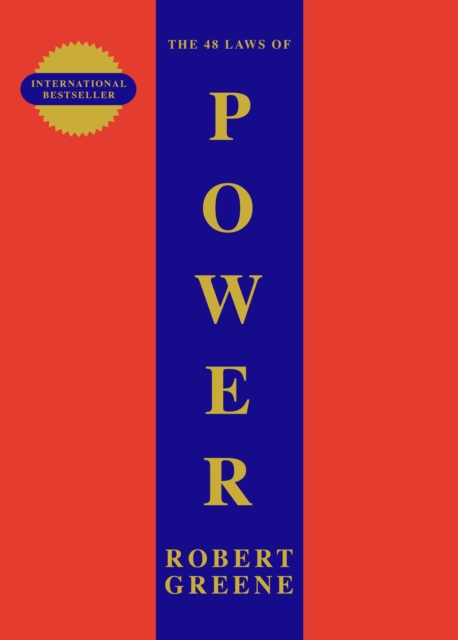
The 48 Laws Of Power
KSh 3,600.00

Wild Seed
KSh 2,350.00

Patternmaster
KSh 2,350.00

Clay's Ark
KSh 2,350.00

Mind of My Mind
KSh 2,350.00

Clay''s Ark
KSh 2,000.00

Mind of My Mind
KSh 2,000.00

Biased
KSh 2,150.00

Identity
KSh 2,150.00
