
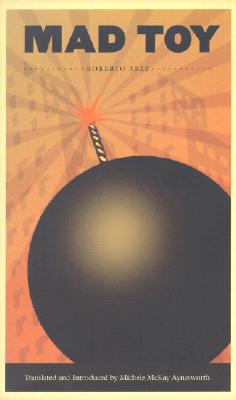
Mad Toy
by
Roberto Arlt
Book Details
Format
Paperback / softback
ISBN-10
0822329409
ISBN-13
9780822329404
Publisher
Duke University Press
Imprint
Duke University Press
Country of Manufacture
US
Country of Publication
GB
Publication Date
Jul 18th, 2002
Print length
184 Pages
Weight
262 grams
Dimensions
22.90 x 13.90 x 1.20 cms
Product Classification:
Modern & contemporary fiction (post c 1945)Modern and contemporary fiction: literary and general
KSh 4,300.00
Temporarily out of stock, due soon
0 in stock
Delivery Location
Delivery fee: Select location
Secure
Quality
Fast
Roberto Arlt (1900-1942), celebrated in Argentina for his tragicomic, punch-in-the-jaw writing during the 1920s and 1930s, was a forerunner of Latin American "boom" and "postboom" novelists such as Gabriel Garcia Marquez and Isabel Allende. This title presents a set against the chaotic background of Buenos Aires in the early twentieth century.
Roberto Arlt, celebrated in Argentina for his tragicomic, punch-in-the-jaw writing during the 1920s and 1930s, was a forerunner of Latin American “boom” and “postboom” novelists such as Gabriel García Márquez and Isabel Allende. Mad Toy, acclaimed by many as Arlt’s best novel, is set against the chaotic background of Buenos Aires in the early twentieth century. Set in the badlands of adolescence, where acts of theft and betrayal become metaphors for creativity, Mad Toy is equal parts pulp fiction, realism, detective story, expressionist drama, and creative memoir. An immigrant son of a German father and an Italian mother, Arlt as a youth was a school dropout, poor and often hungry. In Mad Toy, he incorporates his personal experience into the lives of his characters. Published in 1926 as El juguete rabioso, the novel follows the adventures of Silvio Astier, a poverty-stricken and frustrated youth who is drawn to gangs and a life of petty crime. As Silvio struggles to bridge the gap between exuberant imagination and the sordid reality around him, he becomes fascinated with weapons, explosives, vandalism, and thievery, despite a desperate desire to rise above his origins. Flavored with a dash of romance, a hint of allegory, and a healthy dose of irony, the novel’s language varies from the cultured idiom of the narrator to the dialects and street slang of the novel’s many colorful characters. Mad Toy has appeared in numerous Spanish editions and has been adapted for the stage and for film. It is the second of Arlt’s novels to be translated into English.
Get Mad Toy by Roberto Arlt at the best price and quality guaranteed only at Werezi Africa's largest book ecommerce store. The book was published by Duke University Press and it has 184 pages.
Customers Who Bought This Also Bought
Dream Count
KSh 1,800.00
The Loneliness of Sonia and Sunny
KSh 2,350.00
The Disappearers
KSh 3,350.00
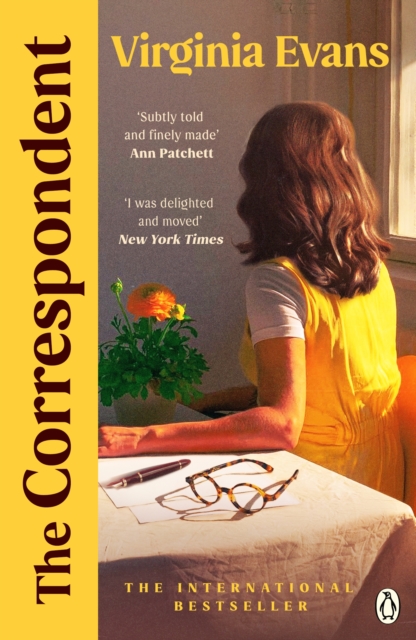
The Correspondent
KSh 1,800.00
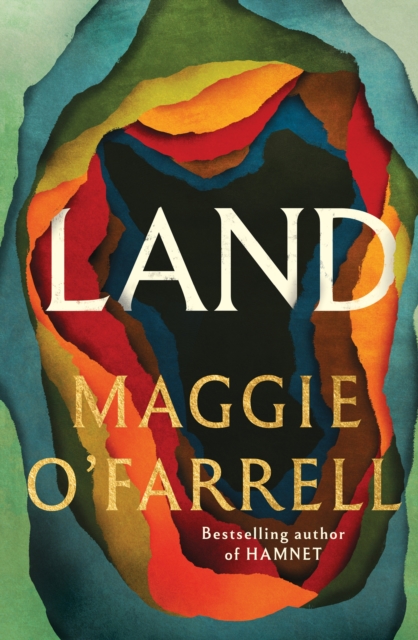
Land
KSh 3,100.00

Yesteryear
KSh 2,700.00
Partita
KSh 2,900.00

Taipei Story
KSh 2,900.00
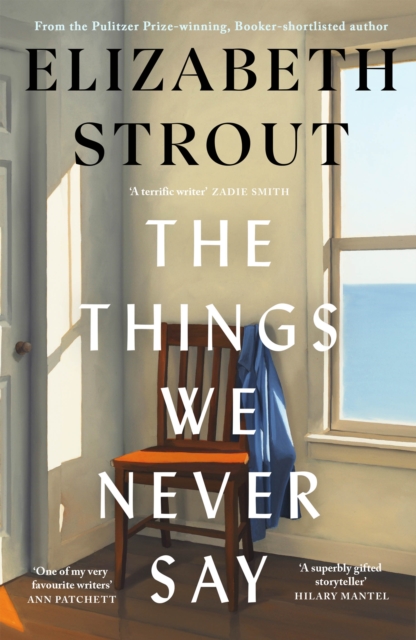
The Things We Never Say
KSh 3,400.00

The Emperor of Gladness
KSh 1,800.00

Whistler
KSh 2,700.00

Modern Classics Animal Farm
KSh 1,600.00
