

Majority Decisions : Principles and Practices
Book Details
Format
Hardback
ISBN-10
1107054095
ISBN-13
9781107054097
Publisher
Cambridge University Press
Imprint
Cambridge University Press
Country of Manufacture
US
Country of Publication
GB
Publication Date
Jun 30th, 2014
Print length
288 Pages
Weight
500 grams
Dimensions
15.80 x 23.70 x 2.10 cms
Product Classification:
Political science & theoryPolitical science and theory
KSh 21,050.00
Currently unavailable
0 in stock
Delivery Location
Delivery fee: Select location
Secure
Quality
Fast
This book presents the most complete set of analytical, normative, and historical discussions of majority decision making to date. While some chapters discuss formal theories of majority decisions, most focus on historical and normative issues: the origin of majority voting in different contexts, and the virtues and pathologies of majority decision making.
This book presents the most complete set of analytical, normative, and historical discussions of majority decision making to date. One chapter critically addresses the social-choice approach to majority decisions, whereas another presents an alternative to that approach. Extensive case studies discuss majority voting in the choice of religion in early modern Switzerland, majority voting in nested assemblies such as the French Estates-General and the Federal Convention, majority voting in federally organized countries, qualified majority voting in the European Union Council of Ministers, and majority voting on juries. Other chapters address the relation between majority decisions and cognitive diversity, the causal origin of majority decisions, and the pathologies of majority decision making. Two chapters, finally, discuss the counter-majoritarian role of courts that exercise judicial review. The editorial Introduction surveys conceptual, causal, and normative issues that arise in the theory and practice of majority decisions.
Get Majority Decisions by Jon Elster at the best price and quality guaranteed only at Werezi Africa's largest book ecommerce store. The book was published by Cambridge University Press and it has 288 pages.
Customers Who Bought This Also Bought
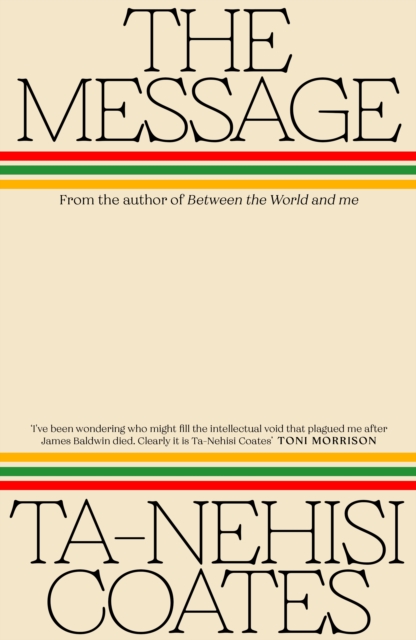
Message
KSh 3,400.00

Corruptible
KSh 2,350.00

On War
KSh 1,200.00

Abundance
KSh 2,150.00
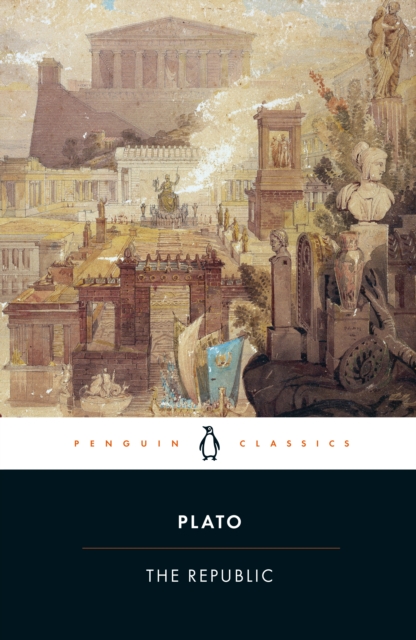
The Republic
KSh 2,350.00

What Happened to Liberal Democracy?
KSh 3,050.00

Pedagogy of the Oppressed
KSh 2,000.00

Great Ideas Social Contract
KSh 1,450.00

Fire Next Time; Nobody Knows My Name ; No Name In The Street; The Devil Finds Work
KSh 3,400.00

The Body Politic
KSh 700.00
The Prince The Original Classic
KSh 2,150.00
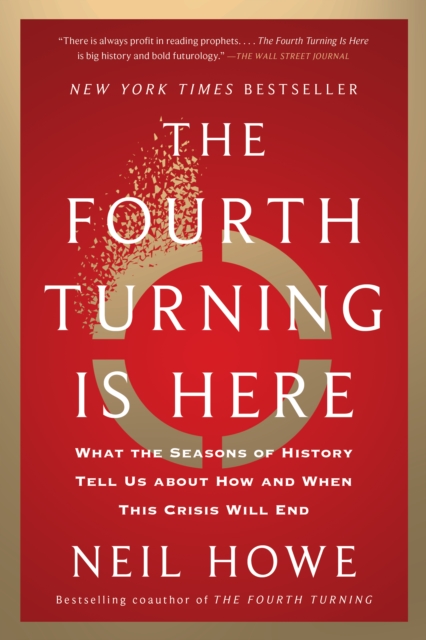
The Fourth Turning Is Here
KSh 2,600.00
