

Making a New Deal : Industrial Workers in Chicago, 1919-1939
Book Details
Format
Hardback
ISBN-10
0521381347
ISBN-13
9780521381345
Publisher
Cambridge University Press
Imprint
Cambridge University Press
Country of Manufacture
US
Country of Publication
GB
Publication Date
Sep 28th, 1990
Print length
544 Pages
Weight
9 grams
Product Classification:
History of the Americas20th century history: c 1900 to c 2000
KSh 9,900.00
Re-Printing
0 in stock
Delivery Location
Delivery fee: Select location
Secure
Quality
Fast
This book examines how it was possible and what it meant for ordinary factory workers to become effective unionists and national political participants by the mid-1930s.
This book examines how it was possible and what it meant for ordinary factory workers to become effective unionists and national political participants by the mid-1930s. We follow Chicago workers as they make choices about whether to attend ethnic benefit society meetings or to go to the movies, whether to shop in local neighborhood stores or patronize the new A & P. Although workers may not have been political in traditional terms during the ''20s, as they made daily decisions like these, they declared their loyalty in ways that would ultimately have political significance. As the depression worsened in the 1930s, not only did workers find their pay and working hours cut or eliminated, but the survival strategies they had developed during the 1920s were undermined. Looking elsewhere for help, workers adopted new ideological perspectives and overcame longstanding divisions among themselves to mount new kinds of collective action. Chicago workers'' experiences as citizens, ethnics and blacks, wage earners and consumers all converged to make them into New Deal Democrats and CIO unionists.
Get Making a New Deal by Lizabeth Cohen at the best price and quality guaranteed only at Werezi Africa's largest book ecommerce store. The book was published by Cambridge University Press and it has 544 pages.
Customers Who Bought This Also Bought
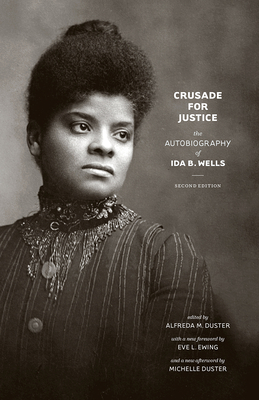
Crusade for Justice – The Autobiography of Ida B. Wells, Second Edition
KSh 4,050.00

Killers of the Flower Moon
KSh 2,000.00
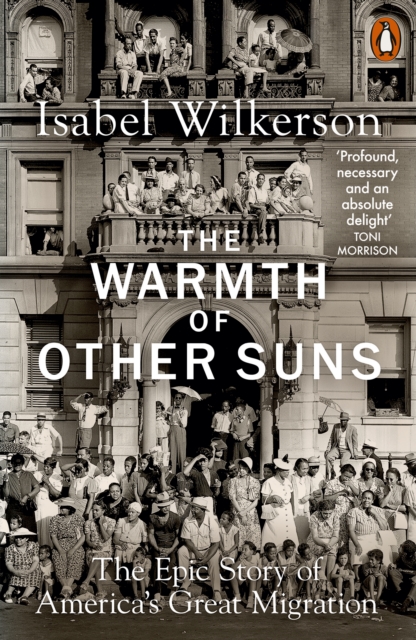
Warmth of Other Suns
KSh 3,050.00
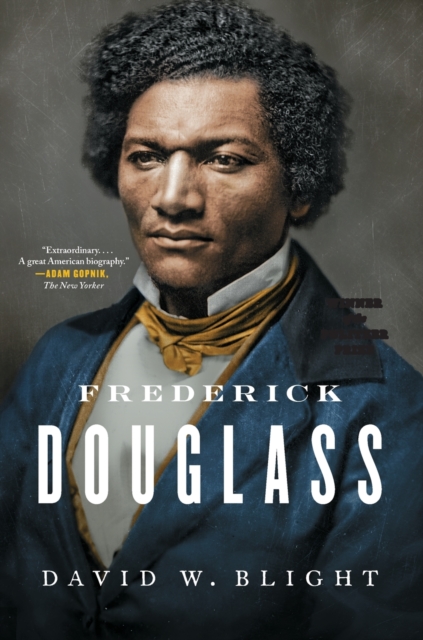
Frederick Douglass
KSh 3,350.00
107 Days
KSh 4,500.00

Second Treatise of Government – Norton Library
KSh 1,600.00

Tuesdays With Morrie
KSh 2,000.00
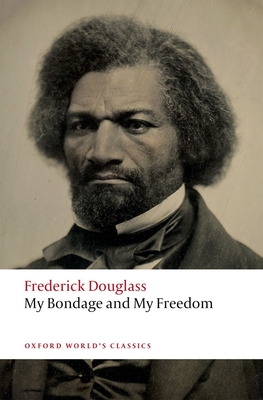
My Bondage and My Freedom
KSh 1,600.00

Hidden Figures
KSh 2,000.00
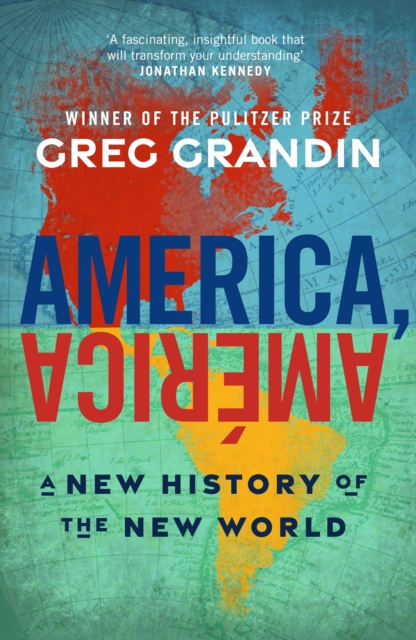
America, América
KSh 3,650.00
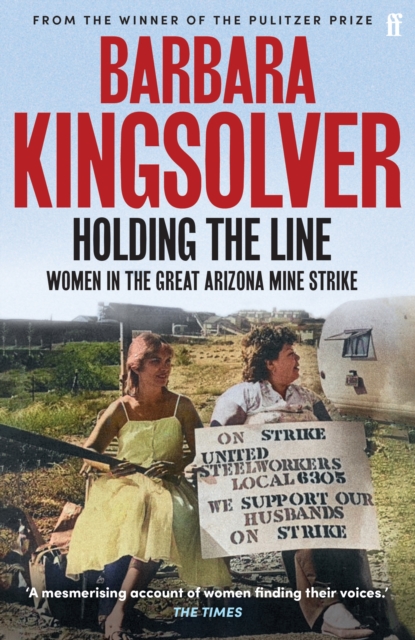
Holding the Line
KSh 2,000.00
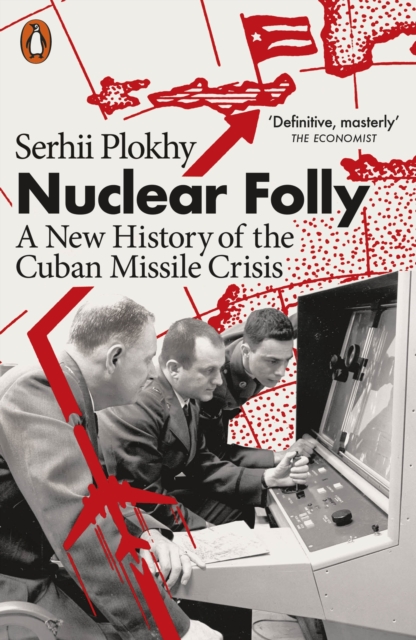
Nuclear Folly
KSh 3,050.00
More by Lizabeth Cohen

Making a New Deal
KSh 15,150.00

American Pageant
KSh 25,450.00

Brief American Pageant
KSh 14,300.00

Brief American Pageant
KSh 26,150.00

Brief American Pageant: A History of the Republic, Volume I: To 1877
KSh 13,750.00

American Pageant
KSh 29,700.00

Making a New Deal
KSh 4,150.00

Brief American Pageant: A History of the Republic, Volume II: Since 1865
KSh 14,500.00

Brief American Pageant
KSh 19,650.00

American Pageant, Volume 1
KSh 17,650.00
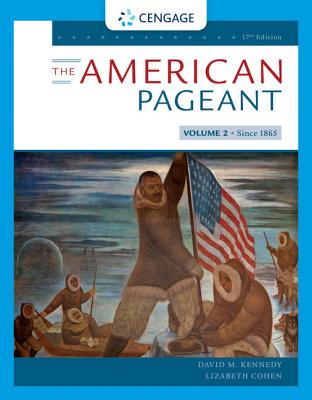
American Pageant, Volume II
KSh 20,050.00