

Making Murder Public : Homicide in Early Modern England, 1480-1680
Book Details
Format
Paperback / softback
ISBN-10
0192863746
ISBN-13
9780192863744
Publisher
Oxford University Press
Imprint
Oxford University Press
Country of Manufacture
GB
Country of Publication
GB
Publication Date
Feb 10th, 2022
Print length
208 Pages
Weight
324 grams
Dimensions
15.60 x 23.50 x 1.60 cms
KSh 7,600.00
Currently unavailable
0 in stock
Delivery Location
Delivery fee: Select location
Secure
Quality
Fast
Making Murder Public explores the emergence, in the sixteenth century, of a formal distinction between murder and manslaughter and the significant reduction in the rates of homicides individuals perpetrated on each other.
Homicide has a history. In early modern England, that history saw two especially notable developments: one, the emergence in the sixteenth century of a formal distinction between murder and manslaughter, made meaningful through a lighter punishment than death for the latter, and two, a significant reduction in the rates of homicides individuals perpetrated on each other.Making Murder Public explores connections between these two changes. It demonstrates the value in distinguishing between murder and manslaughter, or at least in seeing how that distinction came to matter in a period which also witnessed dramatic drops in the occurrence of homicidal violence. Focused on the ''politics of murder'', Making Murder Public examines how homicide became more effectively criminalized between 1480 and 1680, with chapters devoted to coroners'' inquests, appeals and private compensation, duels and private vengeance, and print and public punishment. The English had begun moving away from treating homicide as an offence subject to private settlements or vengeance long before other Europeans, at least from the twelfth century. What happened in the early modern period was, in some ways, a continuation of processes long underway, but intensified and refocused by developments from 1480 to 1680.Making Murder Public argues that homicide became fully ''public'' in these years, with killings seen to violate a ''king''s peace'' that people increasingly conflated with or subordinated to the ''public peace'' or ''public justice.''
Get Making Murder Public by K.J. Kesselring at the best price and quality guaranteed only at Werezi Africa's largest book ecommerce store. The book was published by Oxford University Press and it has 208 pages.
Customers Who Bought This Also Bought

Age of Revolutions
KSh 2,350.00
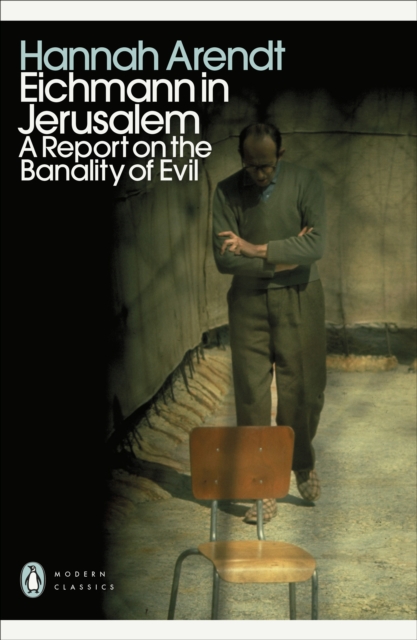
Eichmann in Jerusalem
KSh 2,350.00

Trouble With Being Born
KSh 2,000.00

Hiroshima
KSh 2,000.00
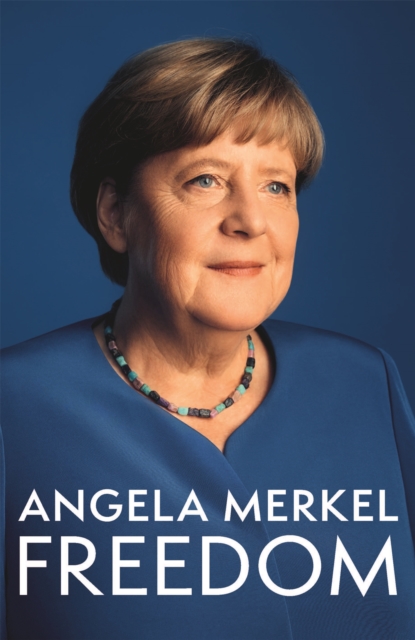
Freedom
KSh 6,300.00
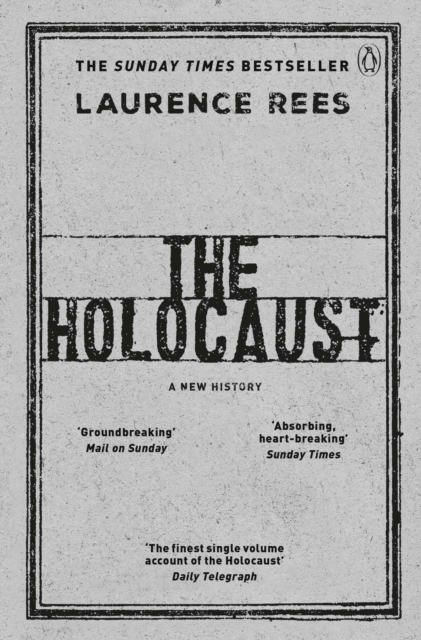
Holocaust
KSh 2,700.00
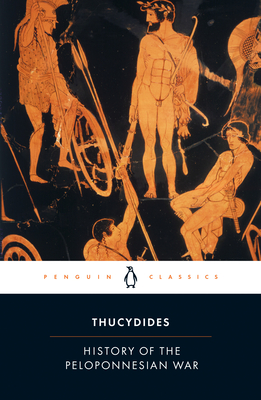
The History of the Peloponnesian War
KSh 2,700.00
Annals
KSh 2,350.00
Greek Lives
KSh 2,150.00
Sleepwalkers
KSh 3,400.00

Napoleon The Great
KSh 3,600.00
Diary of a Young Girl
KSh 1,800.00
