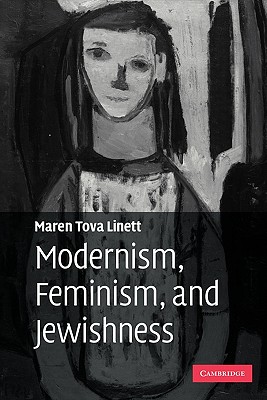
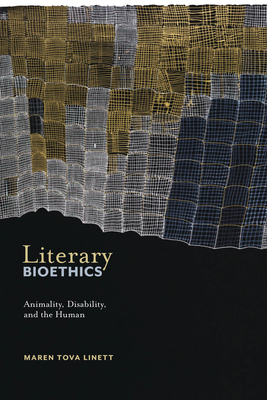
Making Us New : From Eugenics to Transhumanism in Modernist Culture
Book Details
Format
Hardback
Book Series
Oxford Studies in Disability Ethics and Society
ISBN-10
0197843689
ISBN-13
9780197843680
Publisher
Oxford University Press Inc
Imprint
Oxford University Press Inc
Country of Manufacture
GB
Country of Publication
GB
Publication Date
Nov 11th, 2026
Print length
328 Pages
KSh 11,900.00
Not Yet Published
0 in stock
Delivery Location
Delivery fee: Select location
Secure
Quality
Fast
Making Us New argues not only that modernist writers were influenced by eugenic and early transhumanist thinking, but that Anglo-American modernist culture was saturated with ideas and shaped by debates about making humans new. Maren Linett explores cultural expressions of, and interventions into, eugenic and transhumanist thought by excavating and analyzing four key sets of debates between and among eugenicists and transhumanists. The first set of debates relates to the body: what sorts of bodies, and especially what sorts of sensory organs, should improved people have? The second set surrounds reproduction: how might we produce new human beings via reproduction? The third set concerns racial difference: in what ways will race be transformed for future people? And the final set involves animality: how might animality be either left behind by or useful for these improved people? Linett carefully distinguishes between the two modes of human improvement and their ethical and political implications, while viewing both eugenics and transhumanism as simultaneously utopian and oppressive—oppressive not only because of their real-world applications but because of their false assumptions about human worth. The study foregrounds the fundamental aims of eugenic and transhumanist thought—to shape and control human evolutionary futures—contending that eugenics and transhumanism are part of the larger modernist quest to make it new.
Get Making Us New by Maren Tova Linett at the best price and quality guaranteed only at Werezi Africa's largest book ecommerce store. The book was published by Oxford University Press Inc and it has 328 pages.
Customers Who Bought This Also Bought
Dreams in a Time of War
KSh 3,050.00
Modern Classics Penguin Essays of George Orwell
KSh 2,700.00
On Writing
KSh 2,000.00

To the Lighthouse
KSh 1,450.00
On Morrison
KSh 4,500.00

Africa''s Tarnished Name
KSh 700.00
C. S. Lewis
KSh 1,800.00

Life in Letters
KSh 5,400.00

By Grand Central Station I
KSh 1,800.00

Wide Sargasso Sea
KSh 1,800.00

Mom and Me and Mom
KSh 2,000.00
Jorge Luis Borges
KSh 1,800.00