
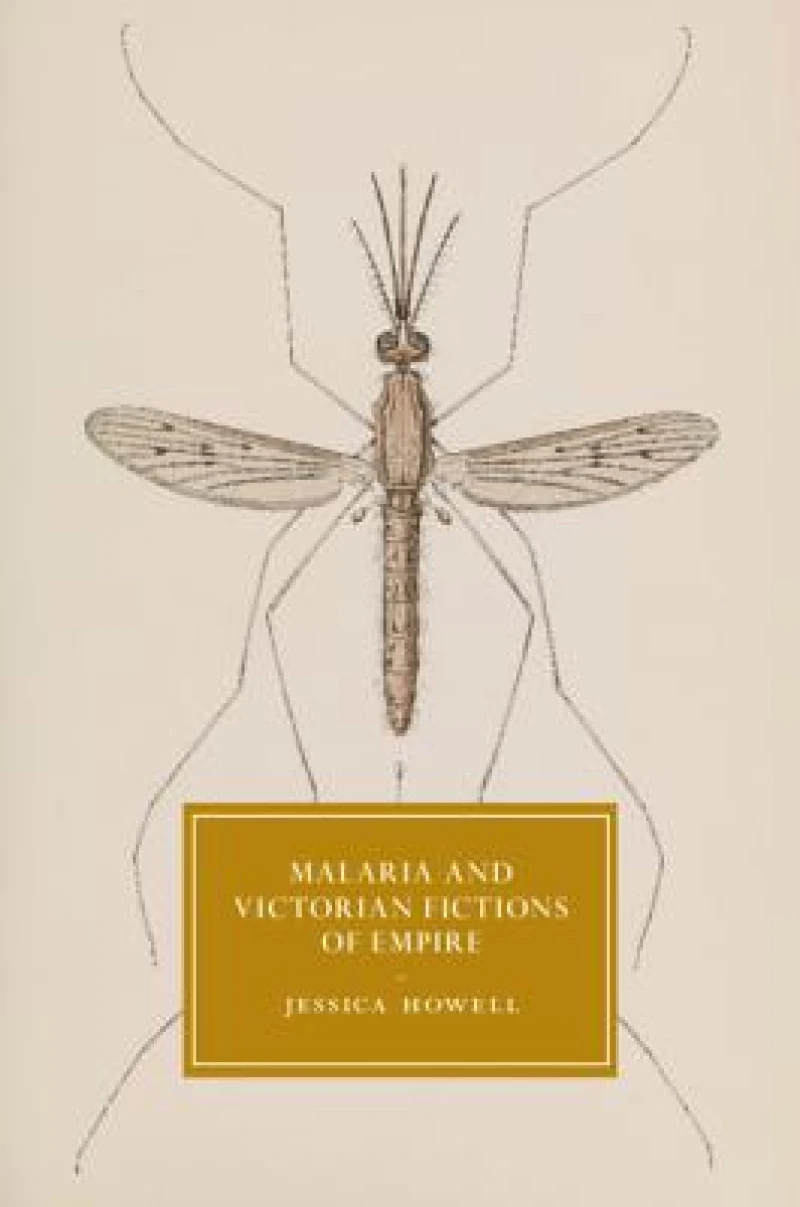
Malaria and Victorian Fictions of Empire
Book Details
Format
Hardback or Cased Book
ISBN-10
1108484689
ISBN-13
9781108484688
Publisher
Cambridge University Press
Imprint
Cambridge University Press
Country of Manufacture
GB
Country of Publication
GB
Publication Date
Oct 24th, 2018
Print length
252 Pages
Weight
54 grams
Dimensions
23.70 x 15.90 x 2.10 cms
Ksh 17,800.00
Werezi Extended Catalogue
0 in stock
Delivery Location
Delivery fee: Select location
Secure
Quality
Fast
This study focuses on the depictions of malaria in nineteenth-century and postcolonial fiction of writers such as Charles Dickens, Henry James, H. Rider Haggard, and Rudyard Kipling amongst others. It also examines the multivalent and subversive potential of the disease in postcolonial literature of writers such as Amitav Ghosh and Derek Walcott.
The impact of malaria on humankind has been profound. Focusing on depictions of this iconic ''disease of empire'' in nineteenth-century and postcolonial fiction, Jessica Howell shows that authors such as Charles Dickens, Henry James, H. Rider Haggard, Olive Schreiner and Rudyard Kipling did not simply adopt the discourses of malarial containment and cure offered by colonial medicine. Instead, these authors adapted and rewrote some common associations with malarial images such as swamps, ruins, mosquitoes, blood, and fever. They also made use of the unique potential of fiction by incorporating chronic, cyclical illness, bodily transformation and adaptation within the very structures of their novels. Howell''s study also examines the postcolonial literature of Amitav Ghosh and Derek Walcott, arguing that these authors use the multivalent and subversive potential of malaria in order to rewrite the legacies of colonial medicine.
Get Malaria and Victorian Fictions of Empire by at the best price and quality guaranteed only at Werezi Africa's largest book ecommerce store. The book was published by Cambridge University Press and it has pages.

