
Search

Categories

    • categories-img Jacket, Women
    • categories-img Woolend Jacket
    • categories-img Western denim
    • categories-img Mini Dresss
    • categories-img Jacket, Women
    • categories-img Woolend Jacket
    • categories-img Western denim
    • categories-img Mini Dresss
    • categories-img Jacket, Women
    • categories-img Woolend Jacket
    • categories-img Western denim
    • categories-img Mini Dresss
    • categories-img Jacket, Women
    • categories-img Woolend Jacket
    • categories-img Western denim
    • categories-img Mini Dresss
    • categories-img Jacket, Women
    • categories-img Woolend Jacket
    • categories-img Western denim
    • categories-img Mini Dresss

Filter By Price

$
-
$

Dietary Needs

Top Rated Product

product-img product-img

Modern Chair

$165.00
product-img product-img

Plastic Chair

$165.00
product-img product-img

Design Rooms

$165.00

Brands

  • Wooden
  • Chair
  • Modern
  • Fabric
  • Shoulder
  • Winter
  • Accessories
  • Dress

Welcome and thank you for visiting us. For any query call us on 0799 626 359 or Email [email protected]

Offcanvas Menu Open

Shopping Cart

Africa largest book store

Sub Total:

Search for any Title

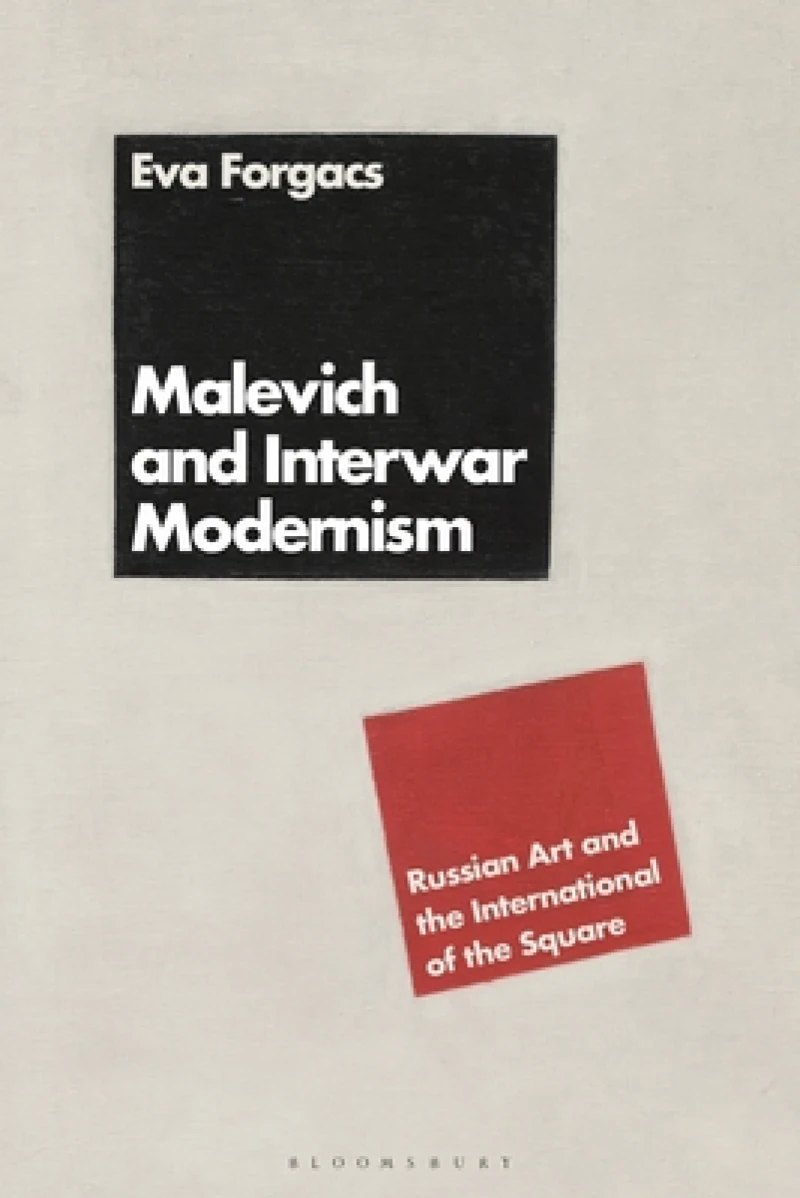
Malevich and Interwar Modernism : Russian Art and the International of the Square

By: (Author) Eva Forgacs

Werezi Extended Catalogue
Delivery in 28 days

Ksh 18,850.00

Format: Hardback or Cased Book

ISBN-10: 135020417X

ISBN-13: 9781350204171

Publisher: Bloomsbury Publishing PLC

Imprint: Bloomsbury Visual Arts

Country of Manufacture: GB

Country of Publication: GB

Publication Date: Jan 13th, 2022

Print length: 328 Pages

Weight: 804 grams

Dimensions (height x width x thickness): 16.20 x 24.00 x 2.40 cms

Choose your Location

Shipping & Delivery

Door Delivery

Delivery fee

Delivery in 28 days

  • Description

  • Reviews

This book examines the legacy of international interwar modernism as a case of cultural transfer through the travels of a central motif: the square. The square was the most emblematic and widely known form/motif of the international avant-garde in the interwar years. It originated from the Russian artist Kazimir Malevich who painted The Black Square on White Ground in 1915 and was then picked up by another Russian artist El Lissitzky and the Dutch artist Theo van Doesburg. It came to be understood as a symbol of a new internationalism and modernity and while Forgács uses it as part of her overall narrative, she focuses on it and its journey across borders to follow its significance, how it was used by the above key artists and how its meaning became modified in Western Europe. It is unusual to discuss interwar modernism and its postwar survival, but this book’s chapters work together to argue that the interwar developments signified a turning point in twentieth-century art that led to much creativity and innovation. Forgács supports her theory with newly found and newly interpreted documents that prove how this exciting legacy was shaped by three major agents: Malevich, Lissitzsky and van Doesburg. She offers a wider interpretation of modernism that examines its postwar significance, reception and history up until the emergence of the New Left in 1956 and the seismic events of 1968.

This book examines the legacy of international interwar modernism as a case of cultural transfer through the travels of a central motif: the square. The square was the most emblematic and widely known form/motif of the international avant-garde in the interwar years. It originated from the Russian artist Kazimir Malevich who painted The Black Square on White Ground in 1915 and was then picked up by another Russian artist El Lissitzky and the Dutch artist Theo van Doesburg. It came to be understood as a symbol of a new internationalism and modernity and while Forgács uses it as part of her overall narrative, she focuses on it and its journey across borders to follow its significance, how it was used by the above key artists and how its meaning became modified in Western Europe.

It is unusual to discuss interwar modernism and its postwar survival, but this book''s chapters work together to argue that the interwar developments signified a turning point in twentieth-century art that led to much creativity and innovation. Forgács supports her theory with newly found and newly interpreted documents that prove how this exciting legacy was shaped by three major agents: Malevich, Lissitzsky and van Doesburg. She offers a wider interpretation of modernism that examines its postwar significance, reception and history up until the emergence of the New Left in 1956 and the seismic events of 1968.


Get Malevich and Interwar Modernism by at the best price and quality guranteed only at Werezi Africa largest book ecommerce store. The book was published by Bloomsbury Publishing PLC and it has pages. Enjoy Shopping Best Offers & Deals on books Online from Werezi - Receive at your doorstep - Fast Delivery - Secure mode of Payment

Customer Reviews

Based on 0 reviews

Mind, Body, & Spirit
