Managing Corporate Reputation and Risk
by
Dale Neef
Book Details
Format
Hardback
ISBN-10
1138463531
ISBN-13
9781138463530
Publisher
Taylor & Francis Ltd
Imprint
Routledge
Country of Manufacture
GB
Country of Publication
GB
Publication Date
Aug 22nd, 2017
Print length
272 Pages
Weight
528 grams
Dimensions
16.40 x 24.10 x 2.00 cms
Product Classification:
EconomicsBusiness & managementBusiness and ManagementPublic relations
KSh 37,800.00
Currently unavailable
0 in stock
Delivery Location
Delivery fee: Select location
Secure
Quality
Fast
Explains how knowledge management and corporate integrity intersect. This book shows executives how to develop a strategic approach to corporate integrity in the post-Enron age. It explains how a company can re-engineer knowledge management systems to build and maintain an effective corporate integrity program.
With the collapse of high-profile companies such as Enron and Tyco, worldwide anti-globalization protests, and recent revelations of questionable behavior by financial groups and auditors, corporate behavior has become the highest priority topic for businesspeople, investors, politicians and the public. Yet despite the critical importance of maintaining public and shareholder trust, most corporations make very little formal effort to actively manage the activities that can put their reputation, share price, and customer base at risk. Most corporations officially embrace the concept of Corporate Social Responsibility; but giving money away to local communities or worthy causes will not prevent an ethical disaster. The problem is not social irresponsibility; the problem is a lack of knowledge about what is taking place in the company or at its subcontractor sites. What companies need to be thinking about is not a theoretical construct around Corporate Social Responsibility, or how they can spin public opinion by charitable actions. They need to be thinking about how they can create a practical knowledge and risk management framework in their company that allows them to avoid costly and reputation-damaging behavior in the first place.Ultimately, this comes down to knowledge management. Whether violations of human rights, employment law, or environmental standards - or simply accounting shenanigans - invariably the reason that these activities are not anticipated and avoided is simply that executives and board members do not realize what is happening in the organization, and what the likely implications of actions will be. And the larger the organization, the more extensive that lack of knowledge. The good news is that developing a strategic approach to corporate integrity is neither exceptionally expensive nor particularly difficult. The problem is that companies that are already using
Get Managing Corporate Reputation and Risk by Dale Neef at the best price and quality guaranteed only at Werezi Africa's largest book ecommerce store. The book was published by Taylor & Francis Ltd and it has 272 pages.
Customers Who Bought This Also Bought

Development as Freedom
KSh 2,900.00

Breakneck
KSh 4,500.00
Why Nations Fail
KSh 2,350.00

Anti-Politics Machine
KSh 3,750.00

End of Poverty
KSh 2,350.00

The Thinking Machine
KSh 2,350.00
Economics: The Economist Guide
KSh 2,150.00
Apostles of Development
KSh 5,600.00
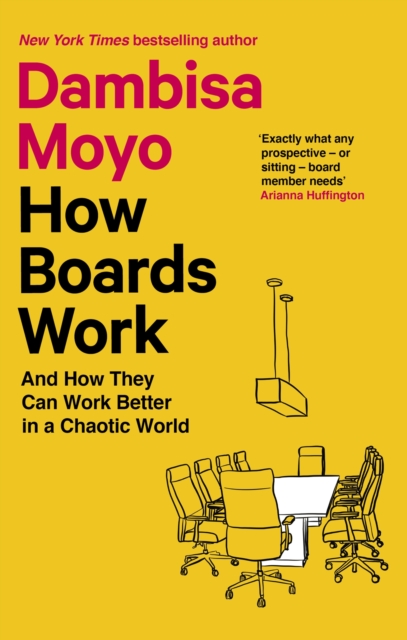
How Boards Work
KSh 2,350.00
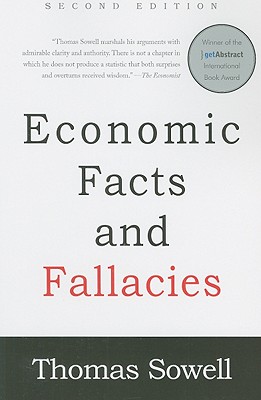
Economic Facts and Fallacies
KSh 3,050.00

Eat That Frog!, Fourth Edition
KSh 3,250.00
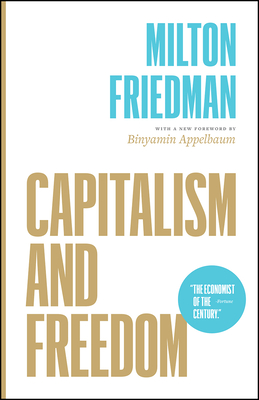
Capitalism and Freedom
KSh 3,350.00