
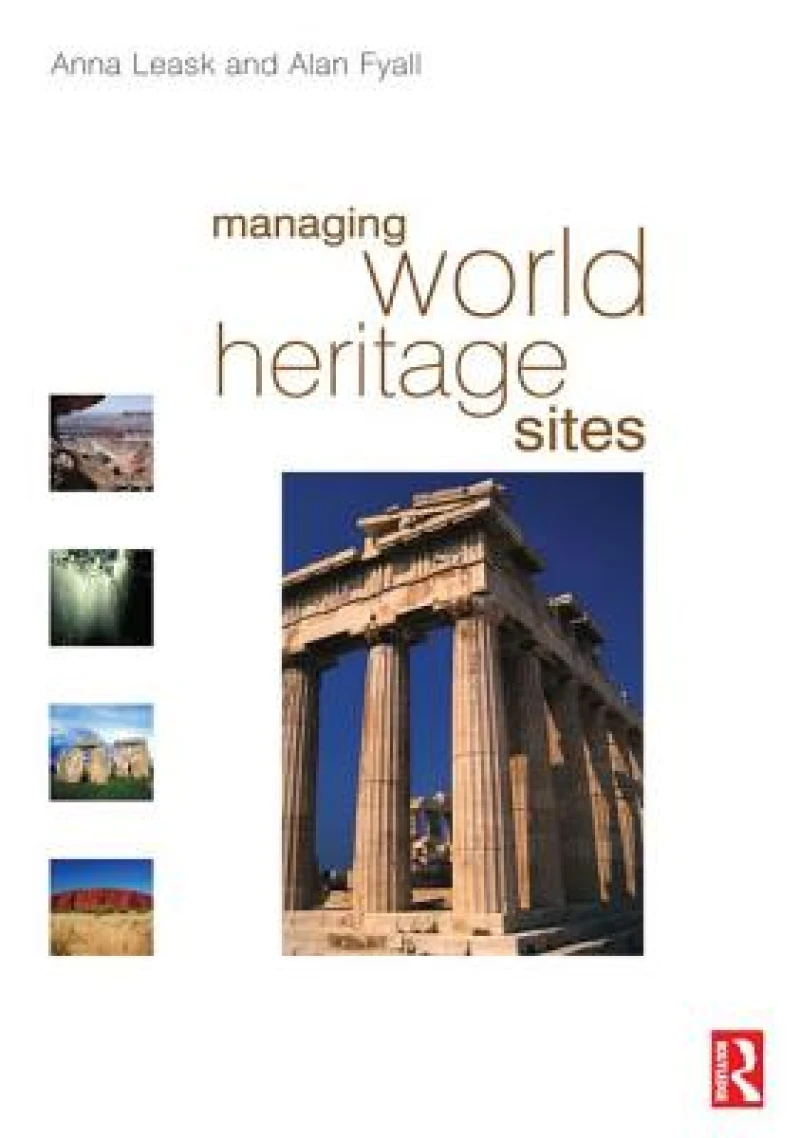
Managing World Heritage Sites
Book Details
Format
Hardback or Cased Book
ISBN-10
1138137499
ISBN-13
9781138137493
Publisher
Taylor & Francis Ltd
Imprint
Routledge
Country of Manufacture
GB
Country of Publication
GB
Publication Date
Dec 22nd, 2015
Print length
320 Pages
Weight
453 grams
Product Classification:
Museology & heritage studiesTourism industryTransport: general interest
Ksh 33,200.00
Werezi Extended Catalogue
0 in stock
Delivery Location
Delivery fee: Select location
Secure
Quality
Fast
World Heritage Sites are some of the most recognised locations around the world. They include natural sites such as the Grand Canyon and the Great Barrier and cultural ones such as the Pyramids at Giza, the Walled City of Baku in Azerbaijan and the Historic Centre of Riga in Latvia. The responsibility to manage them successfully and ensure that the resources are not damaged by visitors, war or environment is therefore vital.
Managing World Heritage Sites covers the management issues encountered at cultural and natural UNESCO World Heritage Sites). WHS sites are high profile and as their designation states they are unique. They are often government owned and subject to political debate, they have iconic status and are therefore crucial to national tourism industries, and often involve a large number of stakeholders within their management structures. This text considers all of these aspects in arriving at solutions for site management principles. In 12 chapters and 5 case studies it covers issues such as WHS designation, marketing, visitor management, revenue generation and management. Each chapter will examine the management issues associated with managing heritage within the WH Sites, making clear use of management practices to apply the theory.
Managing World Heritage Sites:
Includes international case studies such as World Heritage Sites in the Americas, Machupicchu, Stonehenge, Central Eastern Rainforest Reserves of Australia, Megalithic Temples of Malta. Is authored by an international contributor team of well known and respected experts in this field
Has a user friendly and logical structure including aims, introduction, case study, conclusion, references and websites and examples best practice.
5 specific case study chapters including a location map, an explanation of key issues, conclusion, and questions for self-study
Managing World Heritage Sites covers the management issues encountered at cultural and natural UNESCO World Heritage Sites). WHS sites are high profile and as their designation states they are unique. They are often government owned and subject to political debate, they have iconic status and are therefore crucial to national tourism industries, and often involve a large number of stakeholders within their management structures. This text considers all of these aspects in arriving at solutions for site management principles. In 12 chapters and 5 case studies it covers issues such as WHS designation, marketing, visitor management, revenue generation and management. Each chapter will examine the management issues associated with managing heritage within the WH Sites, making clear use of management practices to apply the theory.
Managing World Heritage Sites:
Includes international case studies such as World Heritage Sites in the Americas, Machupicchu, Stonehenge, Central Eastern Rainforest Reserves of Australia, Megalithic Temples of Malta. Is authored by an international contributor team of well known and respected experts in this field
Has a user friendly and logical structure including aims, introduction, case study, conclusion, references and websites and examples best practice.
5 specific case study chapters including a location map, an explanation of key issues, conclusion, and questions for self-study
World Heritage Sites are some of the most recognised locations around the world. They include natural sites such as the Grand Canyon and the Great Barrier and cultural ones such as the Pyramids at Giza, the Walled City of Baku in Azerbaijan and the Historic Centre of Riga in Latvia. The responsibility to manage them successfully and ensure that the resources are not damaged by visitors, war or environment is therefore vital.
Managing World Heritage Sites covers the management issues encountered at cultural and natural UNESCO World Heritage Sites). WHS sites are high profile and as their designation states they are unique. They are often government owned and subject to political debate, they have iconic status and are therefore crucial to national tourism industries, and often involve a large number of stakeholders within their management structures. This text considers all of these aspects in arriving at solutions for site management principles. In 12 chapters and 5 case studies it covers issues such as WHS designation, marketing, visitor management, revenue generation and management. Each chapter will examine the management issues associated with managing heritage within the WH Sites, making clear use of management practices to apply the theory.
Managing World Heritage Sites:
Includes international case studies such as World Heritage Sites in the Americas, Machupicchu, Stonehenge, Central Eastern Rainforest Reserves of Australia, Megalithic Temples of Malta. Is authored by an international contributor team of well known and respected experts in this field
Has a user friendly and logical structure including aims, introduction, case study, conclusion, references and websites and examples best practice.
5 specific case study chapters including a location map, an explanation of key issues, conclusion, and questions for self-study
Managing World Heritage Sites covers the management issues encountered at cultural and natural UNESCO World Heritage Sites). WHS sites are high profile and as their designation states they are unique. They are often government owned and subject to political debate, they have iconic status and are therefore crucial to national tourism industries, and often involve a large number of stakeholders within their management structures. This text considers all of these aspects in arriving at solutions for site management principles. In 12 chapters and 5 case studies it covers issues such as WHS designation, marketing, visitor management, revenue generation and management. Each chapter will examine the management issues associated with managing heritage within the WH Sites, making clear use of management practices to apply the theory.
Managing World Heritage Sites:
Includes international case studies such as World Heritage Sites in the Americas, Machupicchu, Stonehenge, Central Eastern Rainforest Reserves of Australia, Megalithic Temples of Malta. Is authored by an international contributor team of well known and respected experts in this field
Has a user friendly and logical structure including aims, introduction, case study, conclusion, references and websites and examples best practice.
5 specific case study chapters including a location map, an explanation of key issues, conclusion, and questions for self-study
Get Managing World Heritage Sites by at the best price and quality guaranteed only at Werezi Africa's largest book ecommerce store. The book was published by Taylor & Francis Ltd and it has pages.

