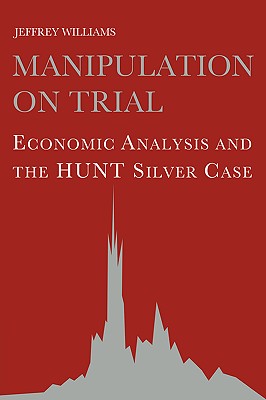
Manipulation on Trial : Economic Analysis and the Hunt Silver Case
Book Details
Format
Hardback
ISBN-10
0521440289
ISBN-13
9780521440288
Publisher
Cambridge University Press
Imprint
Cambridge University Press
Country of Manufacture
GB
Country of Publication
GB
Publication Date
Jul 27th, 1995
Print length
268 Pages
Weight
528 grams
Dimensions
23.50 x 15.80 x 2.30 cms
KSh 19,600.00
Currently unavailable
0 in stock
Delivery Location
Delivery fee: Select location
Secure
Quality
Fast
This book is the first economic analysis of the Hunt silver case, the biggest manipulation case ever brought to trial. Drawing on interviews with the judge, jury and attorneys, as well as his own experience as an expert witness, the author focuses on the economic analyses used at the trial and investigates the problems introduced when economic analysis enters complex litigation.
The unprecedented rise and fall in silver's price during 1979 and 1980 resulted in charges against the Hunt brothers of Dallas of monopolization and market manipulation, charges which led to a lengthy trial. This book focuses on the economic analysis used at this trial. Drawing upon interviews with the judge, jury, attorneys and expert witnesses (the author having so served), it investigates the elusive definition of manipulation in sophisticated markets, the difficulties of interpreting statistical evidence, the imprecision in calculating damages, the hidden assumptions behind inferences concerning intent, and the hazards introduced when economic analysis enters complex litigation. The author concludes that these problems induce courtroom procedures to oversimplify the economic analysis and cause the law on market manipulation to be created retroactively. Yet the failure lies not with the legal institutions but with the futures exchanges who had not developed in advance the rules to minimize large-scale trading during the unusual price moves.
Get Manipulation on Trial by Jeffrey C. Williams at the best price and quality guaranteed only at Werezi Africa's largest book ecommerce store. The book was published by Cambridge University Press and it has 268 pages.
Customers Who Bought This Also Bought

Economics Book
KSh 4,250.00
Basic Economics
KSh 6,850.00
The Essential Keynes
KSh 2,350.00
General Theory of Employment, Interest and Money
KSh 1,400.00
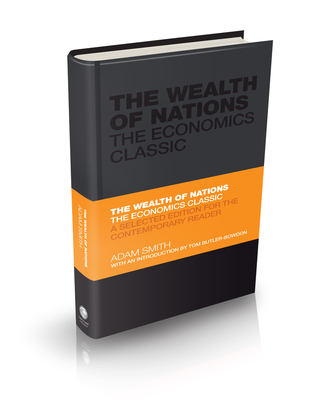
The Wealth of Nations – The Economics Classic – A Selected Edition for the Contemporary Reader
KSh 2,350.00

Wealth of Nations
KSh 1,800.00
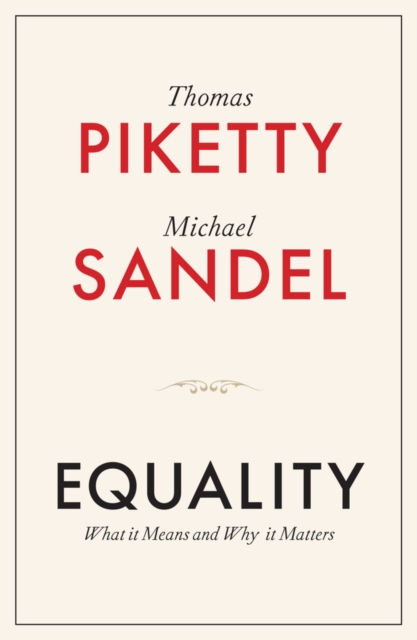
Equality
KSh 2,150.00
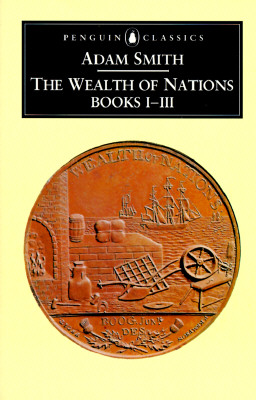
The Wealth of Nations
KSh 2,350.00

What Happened to Liberal Democracy?
KSh 3,050.00

Good Economics for Hard Times
KSh 2,350.00
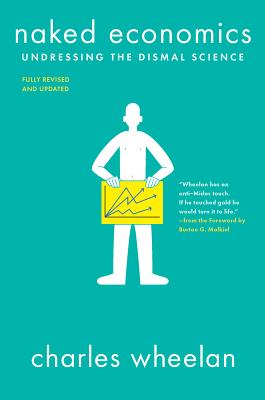
Naked Economics – Undressing the Dismal Science
KSh 2,550.00
Discrimination and Disparities
KSh 5,400.00