
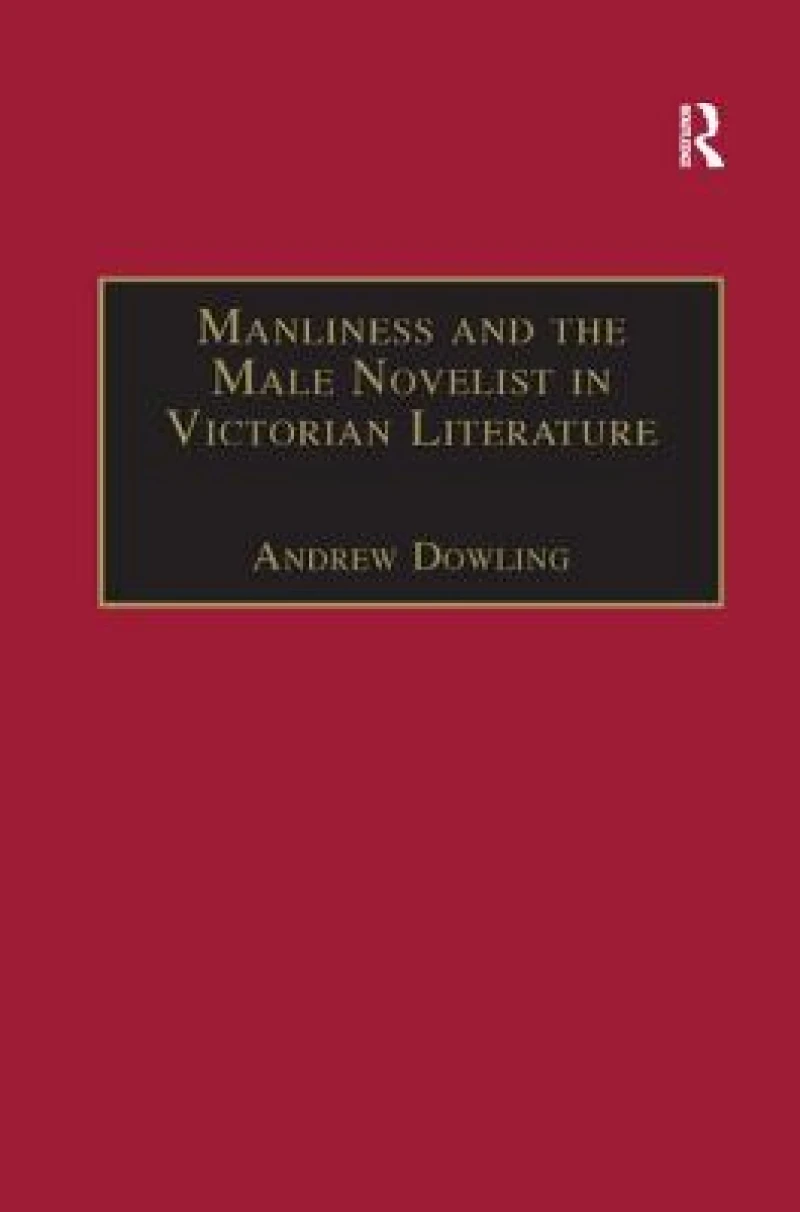
Manliness and the Male Novelist in Victorian Literature
Book Details
Format
Paperback / Softback
Book Series
The Nineteenth Century Series
ISBN-10
1138263451
ISBN-13
9781138263451
Publisher
Taylor & Francis Ltd
Imprint
Routledge
Country of Manufacture
GB
Country of Publication
GB
Publication Date
Nov 15th, 2016
Print length
148 Pages
Weight
453 grams
Product Classification:
Literary studies: generalHistory
Ksh 10,600.00
Werezi Extended Catalogue
0 in stock
Delivery Location
Delivery fee: Select location
Secure
Quality
Fast
The purpose of this book is to address two principal questions: ''Was the concept of masculinity a topic of debate for the Victorians?'' and ''Why is Victorian literature full of images of male deviance when Victorian masculinity is defined by discipline?'' In his introduction, Dowling defines Victorian masculinity in terms of discipline. He then addresses the central question of why an official ideal of manly discipline in the nineteenth century co-existed with a literature that is full of images of male deviance. In answering this question, he develops a notion of ''hegemonic deviance'', whereby a dominant ideal of masculinity defines itself by what it is not. Dowling goes on to examine the fear of effeminacy facing Victorian literary men and the strategies used to combat these fears by the nineteenth-century male novelist. In later chapters, concentrating on Dickens and Thackeray, he examines how the male novelist is defined against multiple images of unmanliness. These chapters illustrate the investment made by men in constructing male ''others'', those sources of difference that are constantly produced and then crushed from within gender divide. By analysing how Victorian literary texts both reveal and reconcile historical anxieties about the meaning of manliness, Dowling argues that masculinity is a complex construction rather than a natural given.
The purpose of this book is to address two principal questions: ''Was the concept of masculinity a topic of debate for the Victorians?'' and ''Why is Victorian literature full of images of male deviance when Victorian masculinity is defined by discipline?'' In his introduction, Dowling defines Victorian masculinity in terms of discipline. He then addresses the central question of why an official ideal of manly discipline in the nineteenth century co-existed with a literature that is full of images of male deviance. In answering this question, he develops a notion of ''hegemonic deviance'', whereby a dominant ideal of masculinity defines itself by what it is not. Dowling goes on to examine the fear of effeminacy facing Victorian literary men and the strategies used to combat these fears by the nineteenth-century male novelist. In later chapters, concentrating on Dickens and Thackeray, he examines how the male novelist is defined against multiple images of unmanliness. These chapters illustrate the investment made by men in constructing male ''others'', those sources of difference that are constantly produced and then crushed from within gender divide. By analysing how Victorian literary texts both reveal and reconcile historical anxieties about the meaning of manliness, Dowling argues that masculinity is a complex construction rather than a natural given.
Get Manliness and the Male Novelist in Victorian Literature by at the best price and quality guaranteed only at Werezi Africa's largest book ecommerce store. The book was published by Taylor & Francis Ltd and it has pages.

