
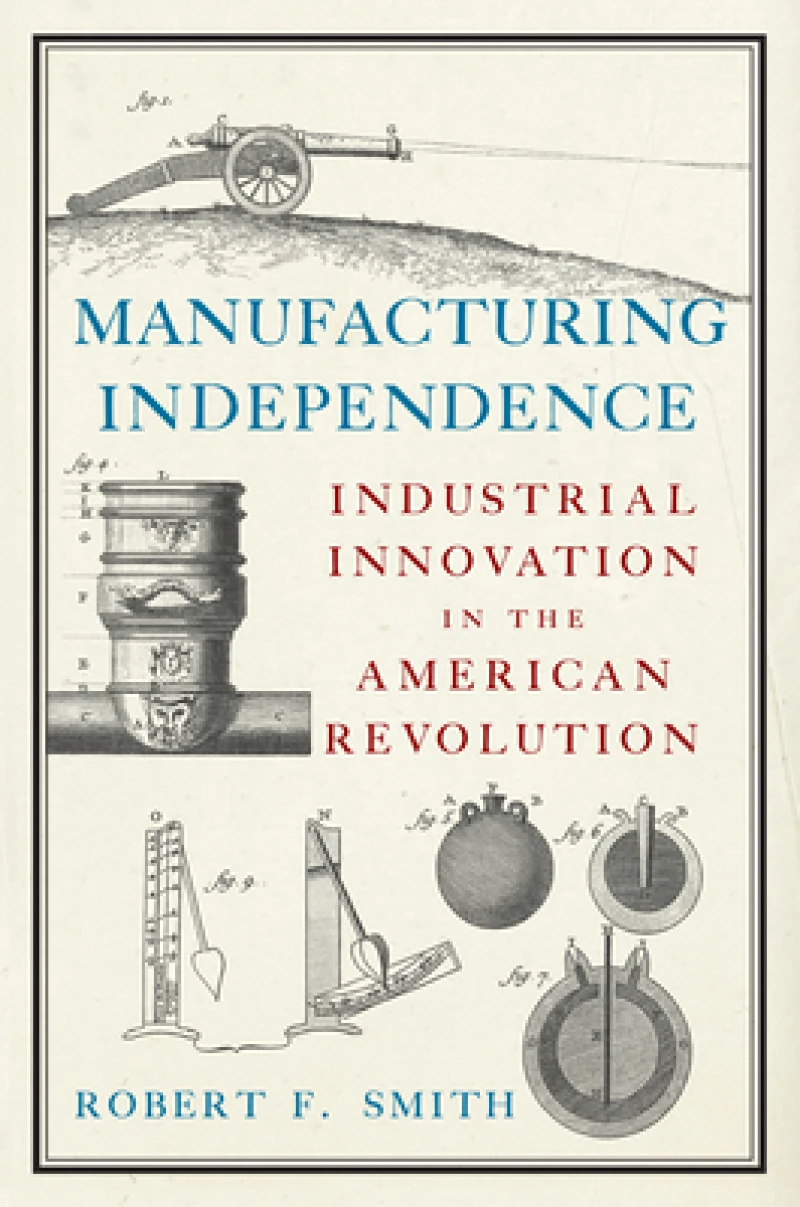
Manufacturing Independence : Industrial Innovation and the American Revolution
Book Details
Format
Paperback / Softback
ISBN-10
1594163731
ISBN-13
9781594163739
Publisher
Westholme Publishing, U.S.
Imprint
Westholme Publishing, U.S.
Country of Manufacture
GB
Country of Publication
GB
Publication Date
Jan 30th, 2025
Print length
296 Pages
Weight
504 grams
Dimensions
23.50 x 15.50 x 1.70 cms
Product Classification:
History of the AmericasModern history to 20th century: c 1700 to c 1900Military historyAmerican War of IndependenceWeapons & equipmentWeapons and equipmentEconomic historyManufacturing industriesHistoryHistory of the AmericasMilitary historySpecific wars and military campaignsHistory of engineering & technologyHistory of engineering and technologyIndustrial chemistry & manufacturing technologiesIndustrial chemistry and manufacturing technologiesOrdnance, weapons technology
Ksh 3,600.00
Manufactured on Demand
0 in stock
Delivery Location
Delivery fee: Select location
Secure
Quality
Fast
Benjamin Franklin was serious when he suggested the colonists arm themselves with the longbow. The American colonies were not logistically prepared for the revolution and this became painfully obvious in wars first years. Trade networks were destroyed, inflation undermined the economy, and American artisans could not produce or repair enough weapons to keep the Continental Army in the field. The Continental Congress responded to this crisis by mobilizing the nations manufacturing sector for war.With information obtained from Europe through both commercial exchange and French military networks, Congress became familiar with the latest manufacturing techniques and processes of the nascent European industrial revolution. They therefore initiated an innovative program of munitions manufacturing under the Department of the Commissary General of Military Stores. The department gathered craftsmen and workers into three national arsenals where they were trained for the large-scale production of weapons. The department also engaged private manufacturers, providing them with materials and worker training, and instituting a program of inspecting their finished products.As historian Robert F. Smith relates in Manufacturing Independence: Industrial Innovation in the American Revolution, the colonies were able to provide their military with the arms it needed to fight, survive, and outlast the enemysupplying weapons for the victory at Saratoga, rearming their armies in the South on three different occassions, and providing munitions to sustain the siege at Yorktown. But this manufacturing system not only successfully supported the Continental Army, it also demonstrated new production ideas to the nation. Through this system, the government went on to promote domestic manufacturing after the war, becoming a model for how the nation could produce goods for its own needs. The War for Independence was not just a political revolution, it was an integral part of the Industrial Revolution in America.
Get Manufacturing Independence by at the best price and quality guaranteed only at Werezi Africa's largest book ecommerce store. The book was published by Westholme Publishing, U.S. and it has pages.

