

Mappings in Thought and Language
Book Details
Format
Paperback / softback
ISBN-10
0521599539
ISBN-13
9780521599535
Publisher
Cambridge University Press
Imprint
Cambridge University Press
Country of Manufacture
GB
Country of Publication
GB
Publication Date
Jun 13th, 1997
Print length
220 Pages
Weight
332 grams
Dimensions
23.00 x 15.30 x 1.10 cms
Product Classification:
Cognition & cognitive psychologyCognition and cognitive psychology
KSh 8,650.00
Currently unavailable
0 in stock
Delivery Location
Delivery fee: Select location
Secure
Quality
Fast
Meaning in everyday thought and language is constructed at lightning speed. We are not conscious of the staggering complexity of the cognitive operations that drive our simplest behavior. This 1997 book reveals the creativity that underlies our effortless use of language in everyday life.
Meaning in everyday thought and language is constructed at lightning speed. We are not conscious of the staggering complexity of the cognitive operations that drive our simplest behavior. This 1997 book examines a central component of meaning construction: the mappings that link mental spaces. A deep result of the research is that the same principles operate at the highest levels of scientific, artistic, and literary thought, and at the lower levels of elementary understanding and sentence meaning. Some key cognitive operations are analogical mappings, conceptual integration and blending, discourse management, induction and recursion. The analyses are based on a rich array of attested data in ordinary language, humor, action and design, science, and narratives. Phenomena that receive attention include counterfactuals; time, tense, and mood; opacity; metaphor; fictive motion; grammatical constructions; quantification over cognitive domains.
Get Mappings in Thought and Language by Gilles Fauconnier at the best price and quality guaranteed only at Werezi Africa's largest book ecommerce store. The book was published by Cambridge University Press and it has 220 pages.
Customers Who Bought This Also Bought

Philosophical Baby
KSh 3,050.00
How Emotions Are Made
KSh 2,350.00
Gödel, Escher, Bach
KSh 4,200.00
Thinking, Fast and Slow
KSh 3,050.00
The Art of Seduction
KSh 5,050.00
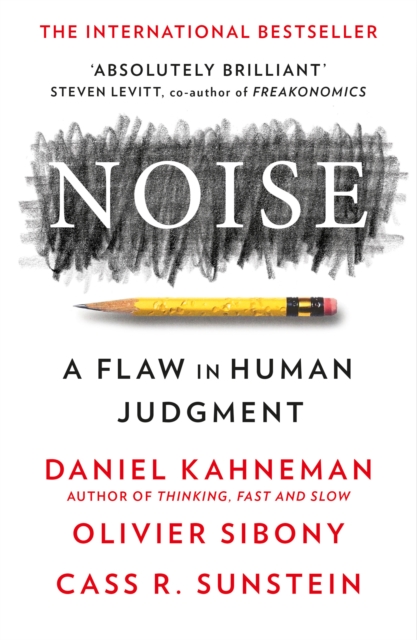
Noise
KSh 2,000.00
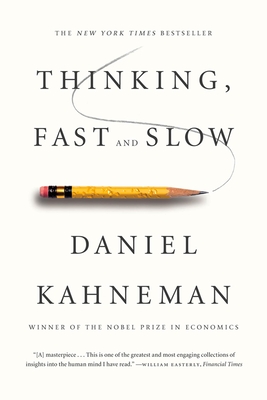
Thinking, Fast and Slow
KSh 2,700.00
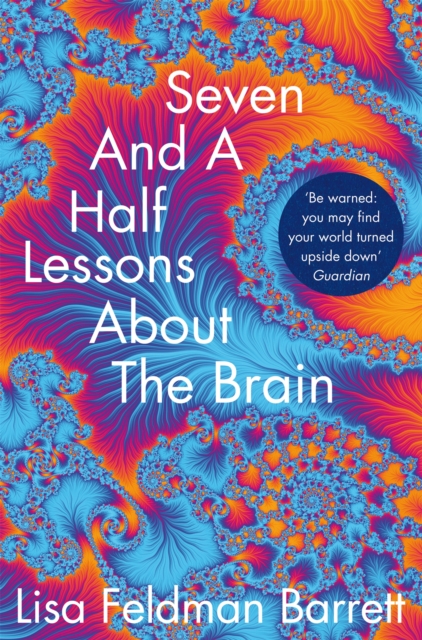
Seven and a Half Lessons About the Brain
KSh 2,000.00
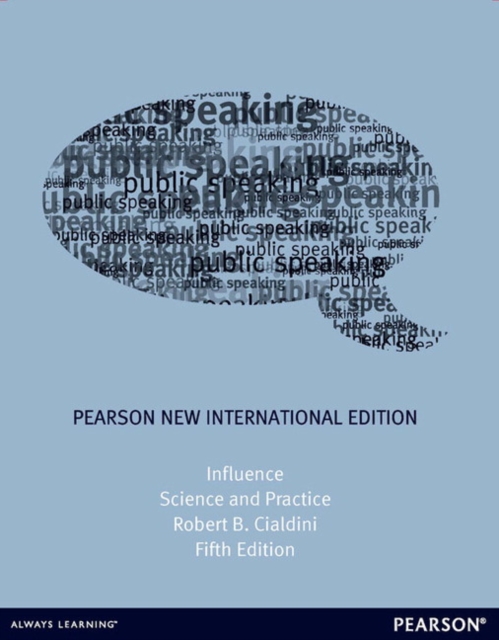
Influence: Science and Practice
KSh 12,850.00

Do the Work
KSh 1,450.00

Thinking in Bets
KSh 5,050.00
Art Of Listening
KSh 3,050.00