
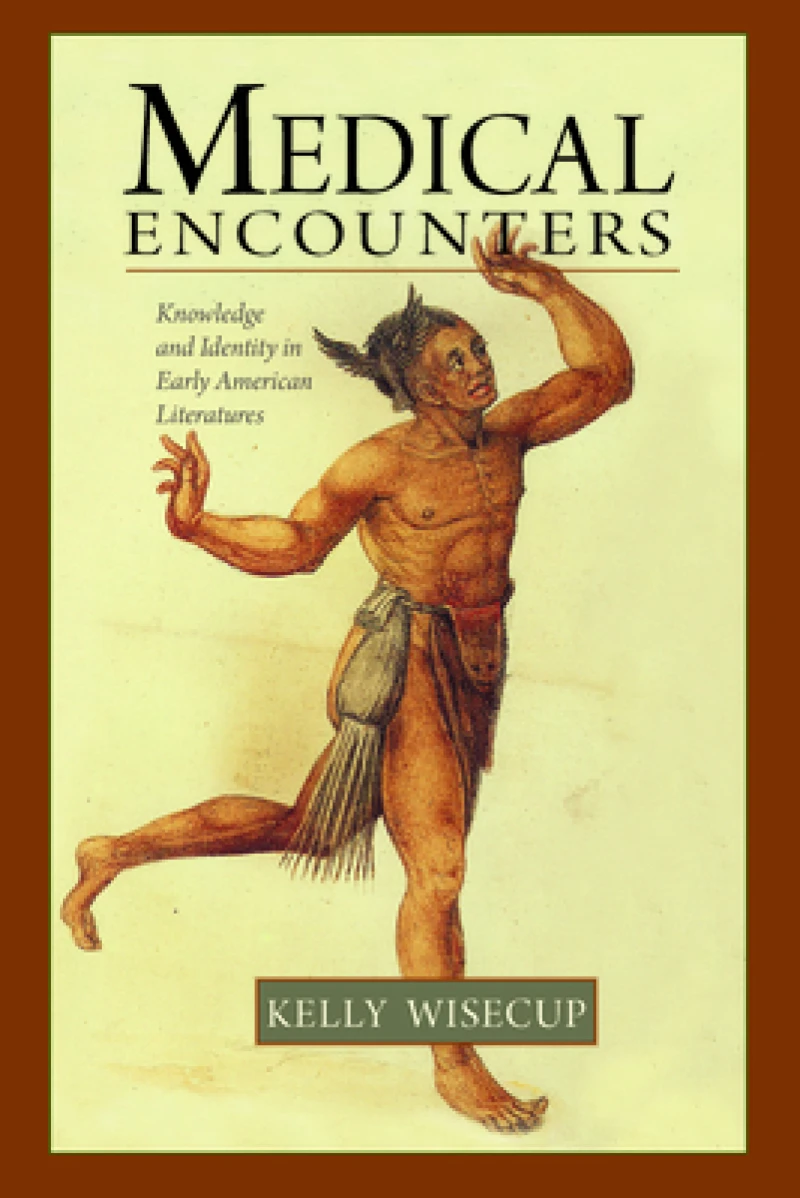
Medical Encounters : Knowledge and Identity in Early American Literatures
Book Details
Format
Paperback / Softback
ISBN-10
1625340575
ISBN-13
9781625340573
Publisher
University of Massachusetts Press
Imprint
University of Massachusetts Press
Country of Manufacture
US
Country of Publication
GB
Publication Date
Oct 3rd, 2013
Print length
224 Pages
Weight
422 grams
Dimensions
15.20 x 22.80 x 2.20 cms
Product Classification:
Literature: history & criticismLiterature: history and criticismHistory of the AmericasEarly modern history: c 1450/1500 to c 1700Social & cultural historyIndigenous peoples / IndigeneityIndigenous peoplesMedicine / Healthcare: general issues / topicsMedicine: general issuesHistoryHistory of the AmericasSocial and cultural history
Ksh 4,800.00
Temporarily out of stock, due soon
0 in stock
Delivery Location
Delivery fee: Select location
Secure
Quality
Fast
The conquest and colonisation of the Americas resulted in all kinds of exchanges, including the transmission of diseases and the sharing of medicines to treat them. In this book, Kelly Wisecup examines how European settlers, Native Americans, and New World Africans communicated medical knowledge in early America, and how the colonists represented what they learned in their literatures.
The conquest and colonisation of the Americas resulted in all kinds of exchanges, including the transmission of diseases and the sharing of medicines to treat them. In this book, Kelly Wisecup examines how European settlers, Native Americans, and New World Africans communicated medical knowledge in early America, and how the colonists represented what they learned in their literatures.
Against the prevailing view that colonial texts provide insight only into their writers’ perspectives, Wisecup demonstrates that Europeans, Natives, and Africans held certain medical ideas in common, including a conception of disease as both a spiritual and a physical entity, and a belief in the power of special rituals or prayers to restore health. As a consequence, medical knowledge and practices operated as a shared form of communication on which everyone drew in order to adapt to a world of devastating new maladies and unfamiliar cures.
By signaling one’s relation to supernatural forces, to the natural world, and to other people, medicine became an effective means of communicating a variety of messages about power and identity as well as bodies and minds. Native Americans in Virginia and New England, for example, responded to the nearly simultaneous arrival of mysterious epidemics and peoples by incorporating colonists into explanations of disease, while British American colonists emphasised to their audiences back home the value of medical knowledge drawn from cross-cultural encounters in the New World.
Against the prevailing view that colonial texts provide insight only into their writers’ perspectives, Wisecup demonstrates that Europeans, Natives, and Africans held certain medical ideas in common, including a conception of disease as both a spiritual and a physical entity, and a belief in the power of special rituals or prayers to restore health. As a consequence, medical knowledge and practices operated as a shared form of communication on which everyone drew in order to adapt to a world of devastating new maladies and unfamiliar cures.
By signaling one’s relation to supernatural forces, to the natural world, and to other people, medicine became an effective means of communicating a variety of messages about power and identity as well as bodies and minds. Native Americans in Virginia and New England, for example, responded to the nearly simultaneous arrival of mysterious epidemics and peoples by incorporating colonists into explanations of disease, while British American colonists emphasised to their audiences back home the value of medical knowledge drawn from cross-cultural encounters in the New World.
Get Medical Encounters by at the best price and quality guaranteed only at Werezi Africa's largest book ecommerce store. The book was published by University of Massachusetts Press and it has pages.

