

Medieval Frontier Societies
Book Details
Format
Paperback / softback
Book Series
Clarendon Paperbacks
ISBN-10
0198203616
ISBN-13
9780198203612
Publisher
Oxford University Press
Imprint
Clarendon Press
Country of Manufacture
GB
Country of Publication
GB
Publication Date
May 28th, 1992
Print length
408 Pages
Weight
504 grams
Dimensions
13.90 x 21.50 x 2.70 cms
KSh 9,550.00
Currently unavailable
0 in stock
Delivery Location
Delivery fee: Select location
Secure
Quality
Fast
This is a study of the effects of cross-cultural contact and confrontation on frontier societies, particularly those between England and Scotland, Wales and Ireland, Castille and Granada, and on the Elbe.
to copywriter: Always list contributorsThis first study of the nature of frontiers and frontier societies in the Middle Ages focuses on those between England and Scotland, Wales and Ireland, Castile and Granada, and on the Elbe. It examines the consequences for frontier societies of being located in areas of cross-cultural contact, and often confrontation. Institutions, expectations and even local family structures are shown to have been products of an environment of long-term and ubiquitous fighting. But, devices also developed in frontier societies for mediation, arbitration, and negotiation. Interaction between different religions, laws, languages, and mores, was often hostile, but could sometimes be flexible - responses which are reflected, for example, in the literature and poetry of the areas involved. This comparative study, by expert contributors, throws new and important light on our thinking about frontiers, and fills a major gap in the history of medieval Europe.Contributors: Geoffrey Barrow, Robert Bartlett, Robert I. Burns, José Enrique López de Coca Castañer, Rees Davies, Robin Frame, Anthony Goodman, Manuel Conzález Jiménez, Paul Knoll, Friedrich Lotter, Angus MacKay, Katherine Simms, Alfred Thomas.
Get Medieval Frontier Societies by Angus MacKay at the best price and quality guaranteed only at Werezi Africa's largest book ecommerce store. The book was published by Oxford University Press and it has 408 pages.
Customers Who Bought This Also Bought

Age of Revolutions
KSh 2,350.00

Eichmann in Jerusalem
KSh 2,350.00

Trouble With Being Born
KSh 2,000.00

Hiroshima
KSh 2,000.00

Freedom
KSh 6,300.00

Holocaust
KSh 2,700.00
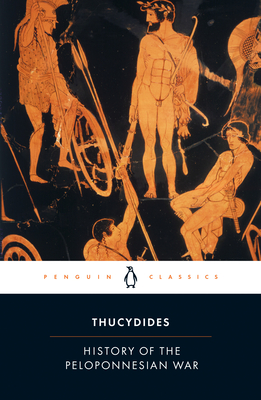
The History of the Peloponnesian War
KSh 2,700.00
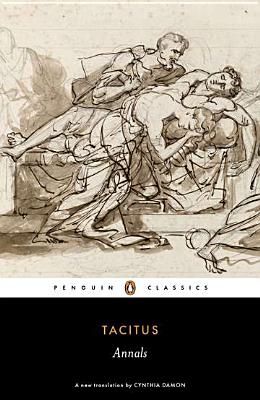
Annals
KSh 2,350.00
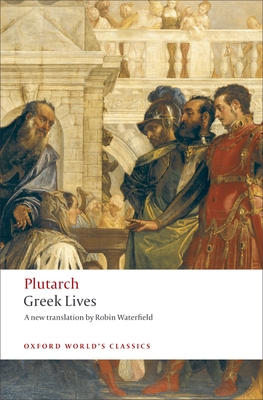
Greek Lives
KSh 2,150.00

Sleepwalkers
KSh 3,400.00

Napoleon The Great
KSh 3,600.00
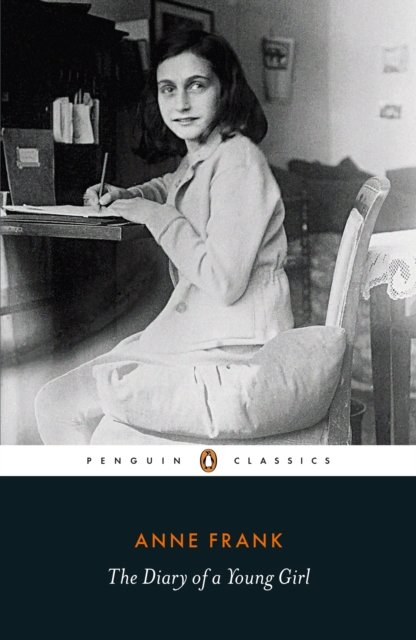
Diary of a Young Girl
KSh 1,800.00
