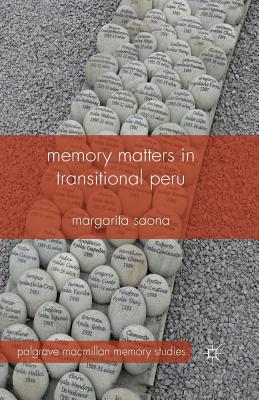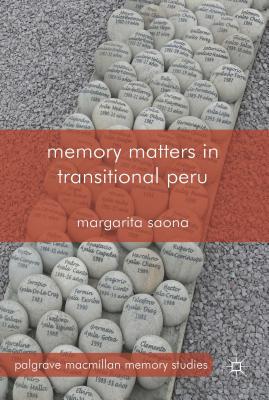
Memory Matters in Transitional Peru
by
M. Saona
Book Details
Format
Hardback
Book Series
Palgrave Macmillan Memory Studies
ISBN-10
1137290161
ISBN-13
9781137290168
Publisher
Palgrave Macmillan
Imprint
Palgrave Macmillan
Country of Manufacture
GB
Country of Publication
GB
Publication Date
Oct 17th, 2014
Print length
159 Pages
Weight
354 grams
Dimensions
22.00 x 14.50 x 1.60 cms
KSh 8,100.00
Currently unavailable
0 in stock
Delivery Location
Delivery fee: Select location
Secure
Quality
Fast
Commemorating traumatic events means attempting to activate collective memory. By examining images, metonymic invocations, built environments and digital outreach interventions, this book establishes some of the cognitive and emotional responses that make us incorporate the past suffering of others as a painful legacy of our own.
In 2003, the Peruvian Truth and Reconciliation Commission reported that 70,000 people had been killed in the country during the conflict between the Peruvian Armed Forces, the Shining Path, and other terrorist organizations. The precept of the Commission became: ''A country that forgets its history is condemned to repeat it.'' The idea of making the country ''remember'' guided many of the Commission''s initiatives, including a ground-breaking photo exhibit entitled ''Yuyanapaq,'' a Quechua word translated as ''in order to remember.'' But what does it mean for a country to remember? How do we remember (collectively)?
Margarita Saona examines the mechanisms activated by art and memorials built to commemorate traumatic events at the social level. By examining images, metonymic invocations, the use of proper names, auratic crime scenes, built environments, and digital outreach interventions, Memory Matters in Transitional Peru seeks to establish some of the cognitive and emotional responses that make us incorporate the past suffering of others as a painful legacy of our own.
Margarita Saona examines the mechanisms activated by art and memorials built to commemorate traumatic events at the social level. By examining images, metonymic invocations, the use of proper names, auratic crime scenes, built environments, and digital outreach interventions, Memory Matters in Transitional Peru seeks to establish some of the cognitive and emotional responses that make us incorporate the past suffering of others as a painful legacy of our own.
Get Memory Matters in Transitional Peru by M. Saona at the best price and quality guaranteed only at Werezi Africa's largest book ecommerce store. The book was published by Palgrave Macmillan and it has 159 pages.
Customers Who Bought This Also Bought
Decolonising the Mind
KSh 4,700.00
Message
KSh 3,400.00

The Culture Map
KSh 3,050.00
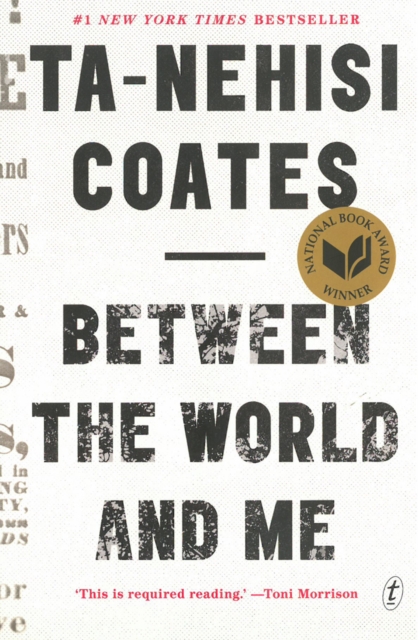
Between The World And Me
KSh 2,000.00
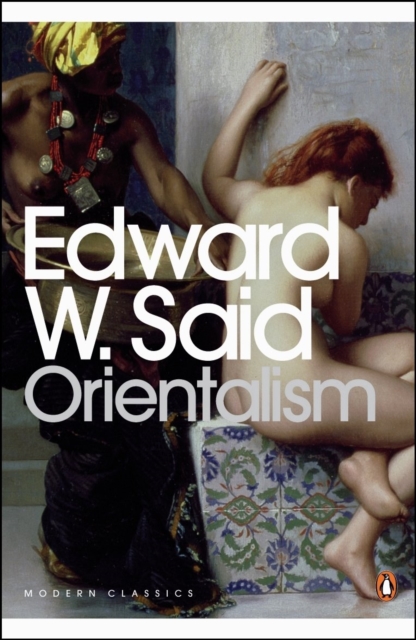
Orientalism
KSh 2,350.00
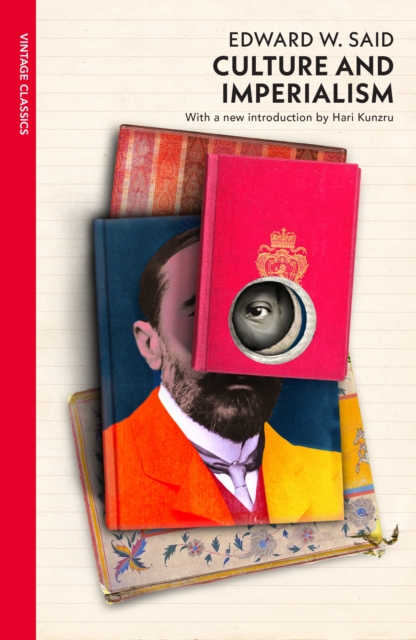
Culture and Imperialism
KSh 2,700.00

Africa Is Not A Country
KSh 2,350.00
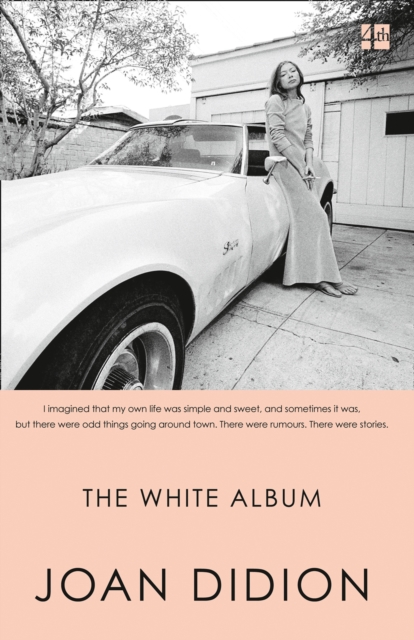
White Album
KSh 2,000.00
Moving the Centre
KSh 4,850.00
The Case for Christ
KSh 1,450.00
A Brief History of Equality
KSh 2,850.00

War Against Cliche
KSh 2,700.00