

Mexican Icarus : Aviation and the Modernization of Mexican Identity, 1928-1960
Book Details
Format
Hardback
ISBN-10
0822947609
ISBN-13
9780822947608
Publisher
University of Pittsburgh Press
Imprint
University of Pittsburgh Press
Country of Manufacture
US
Country of Publication
GB
Publication Date
Jan 31st, 2024
Print length
256 Pages
Weight
526 grams
Dimensions
23.60 x 16.10 x 3.20 cms
Product Classification:
General & world historyGeneral and world history
KSh 11,200.00
Temporarily out of stock, due soon
0 in stock
Delivery Location
Delivery fee: Select location
Secure
Quality
Fast
The development of aviation in Mexico reflected more than a pragmatic response to the material challenges brought on by the 1910 Revolution. At the same time, the archetype of the aviator camouflaged problematic aspects of the government’s unification and development plans that displaced and exploited poor and Indigenous communities.
The development of aviation in Mexico reflected more than a pragmatic response to the material challenges brought on by the 1910 Revolution. It was also an effective symbol for promoting the aspirations of the new elite who attained prominence during the war and who fixated on technology as a measure of national progress. The politicians, industrialists, and cultural influencers in the media who made up this group molded the aviator into an avatar of modern citizenship. The figure of the pilot as a model citizen proved an adept vessel for disseminating the values championed by the official party of the Revolution and validating the technological determinism that underpinned its philosophy of development. At the same time, the archetype of the aviator camouflaged problematic aspects of the government?s unification and development plans that displaced and exploited poor and Indigenous communities.
Get Mexican Icarus by Peter B Soland at the best price and quality guaranteed only at Werezi Africa's largest book ecommerce store. The book was published by University of Pittsburgh Press and it has 256 pages.
Customers Who Bought This Also Bought
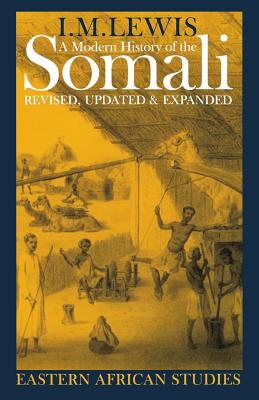
A Modern History of the Somali
KSh 5,300.00

Sapiens
KSh 2,350.00

Rise Fall Great Powers
KSh 3,050.00

Legacy of Violence
KSh 3,150.00

Chip War
KSh 2,000.00
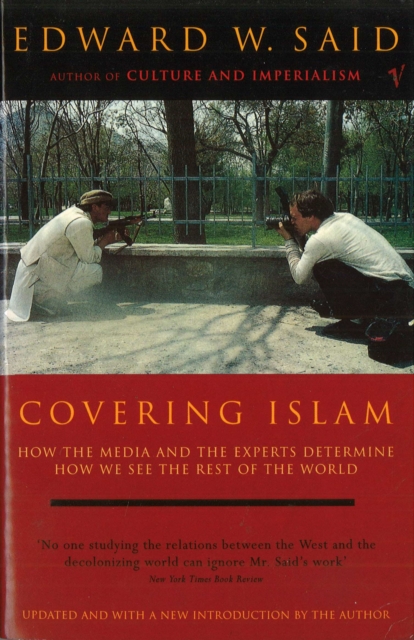
Covering Islam
KSh 2,350.00

They Came Before Columbus
KSh 3,400.00

Hiroshima
KSh 2,000.00

Guns, Germs and Steel
KSh 2,400.00

Silk Roads
KSh 3,050.00

Empire
KSh 2,700.00

Strategy
KSh 4,350.00
