
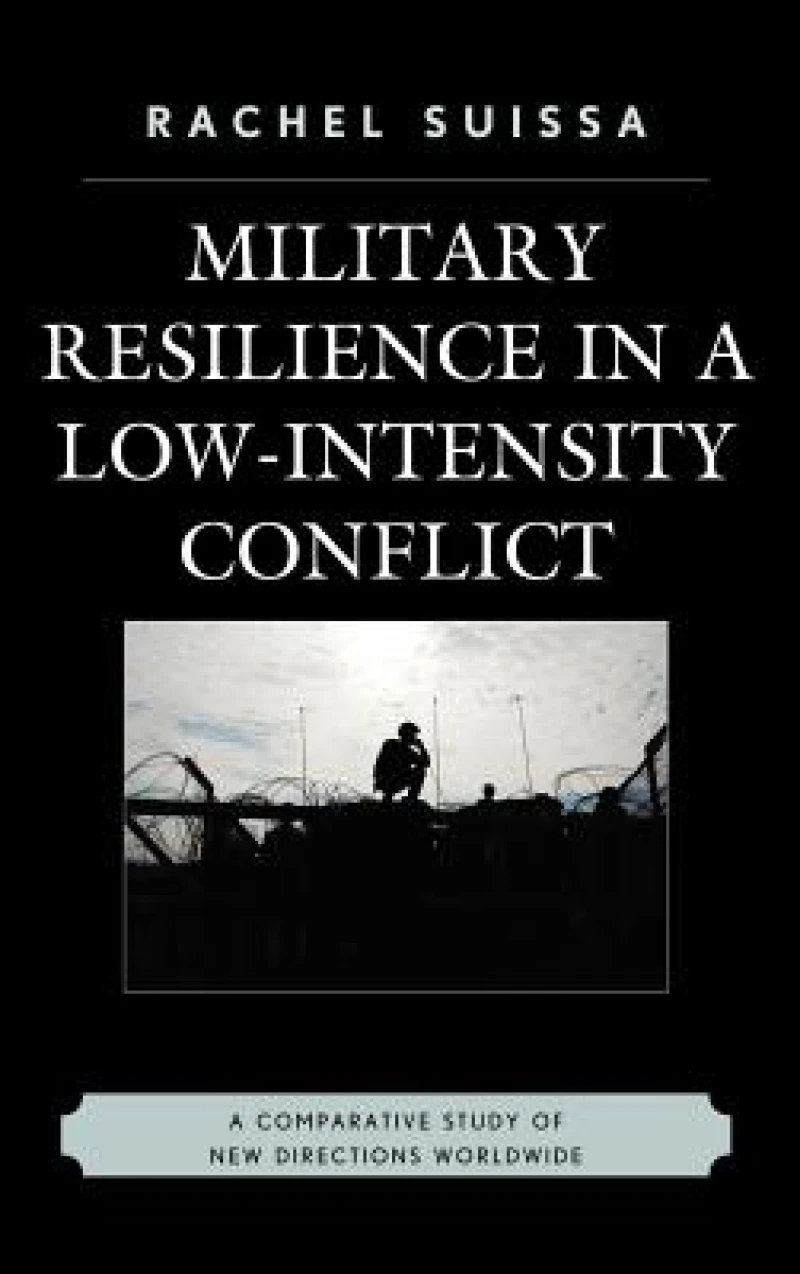
Military Resilience in Low-Intensity Conflict : A Comparative Study of New Directions Worldwide
Book Details
Format
Hardback or Cased Book
ISBN-10
0739128329
ISBN-13
9780739128329
Publisher
Bloomsbury Publishing Plc
Imprint
Lexington Books
Country of Manufacture
GB
Country of Publication
GB
Publication Date
Jun 14th, 2012
Print length
174 Pages
Weight
420 grams
Dimensions
23.20 x 15.70 x 1.80 cms
Product Classification:
Comparative politicsDiplomacyTheory of warfare & military science
Ksh 18,300.00
Manufactured on Demand
0 in stock
Delivery Location
Delivery fee: Select location
Secure
Quality
Fast
Military Resilience in a Low-Intensity Conflict: A Comparative Study of New Directions Worldwide, by Rachel Suissa, offers a prognosis for the dilemma of army resilience in the post-modern era. She clarifies the concept of military resilience among the challenges of the twenty-first century, examining how the military model affects resilience, and how those effects are expressed during the management of a given conflict. She investigates the issue through a comparative study of armies and states which have been involved or are currently involved in low intensity conflicts—the countries discussed include France and Algeria, Great Britain and Ireland, Russia and Chechnya, and Israel and the Palestinian authority. Another challenge that Suissa addresses is that of peace coalitions and their organizational resilience. She further discusses the connection between political and military ranks, and under which conditions the former affects the latter. Military Resilience in a Low-Intensity Conflict makes the issues associated with resilience and conflict accessible to both academics and those who might translate its findings into practicable insights.
Get Military Resilience in Low-Intensity Conflict by at the best price and quality guaranteed only at Werezi Africa's largest book ecommerce store. The book was published by Bloomsbury Publishing Plc and it has pages.

