
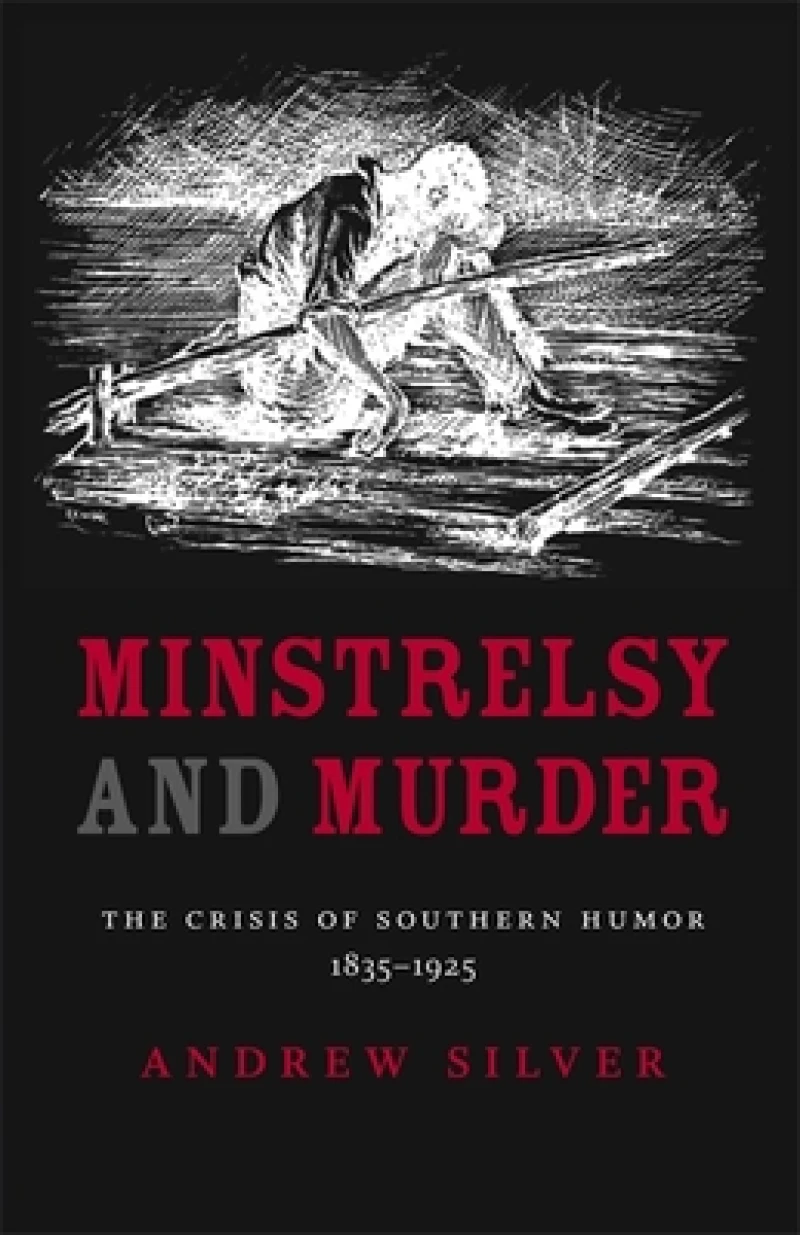
Minstrelsy and Murder : The Crisis of Southern Humor, 1835-1925
Book Details
Format
Hardback or Cased Book
Book Series
Southern Literary Studies
ISBN-10
080713080X
ISBN-13
9780807130803
Publisher
Louisiana State University Press
Imprint
Louisiana State University Press
Country of Manufacture
US
Country of Publication
GB
Publication Date
Feb 1st, 2006
Print length
240 Pages
Weight
333 grams
Dimensions
22.40 x 15.30 x 2.00 cms
Ksh 6,500.00
Publisher Out of Stock
0 in stock
Delivery Location
Delivery fee: Select location
Secure
Quality
Fast
Locates the foundation of the South's dark humour in the upheavals of the nineteenth century. Examining the connection between comic victimization and real acts of aggression, Andrew Silver shows southern humour to be a product not of America's wholeness and national unity but of its internal fears, divisiveness, and perpetual civil strife.
In Minstrelsy and Murder, Andrew Silver locates the foundation of the South's dark humor in the great and violent cultural upheavals of the nineteenth century. Examining the connection between comic victimization and real acts of aggression, Silver shows southern humor to be a product not of America's wholeness and national unity but of its internal fears, divisiveness, and perpetual civil strife. He focuses on the work of southern writers Augustus B. Longstreet, George Washington Harris, Charles Chesnutt, and Mark Twain, exploring a strain of regional humor that runs counter to the more familiar American comic tradition.
A profound distress about class emerges clearly in Silver's reading of Longstreet's Georgia sketches, just as Harris's post-Civil War stories reveal an escalating anger toward Yankees, emancipated African Americans, and upstart women. Twain and Chesnutt, however, mark a turning point for southern humor, Silver argues. By resisting entrenched comic elements of racist acts of violence and instead using narratives that turn upon and expose the destructive power of racist typing, they created humor that both wounds and dares to speak of wounds.
With engaging critical discussion of race, class, and gender, Silver investigates the cultural fears that southern popular comedy of the 1800s addresses, as well as the various forms and ""voices"" it employed: Yankee humor, minstrelsy, sentimental fiction, political broadsides, Ku Klux Klan sketches, frontier humor, and sadistic slapstick. He shows how southern humor, as the product of middle-class authors who were at once outraged and eminently practical, revolutionary and conformist, anti-authoritarian and craving the approval of authorities, evolved into a genre at war with itself, stifling laughter by unearthing the trauma at the core of the comic.
A profound distress about class emerges clearly in Silver's reading of Longstreet's Georgia sketches, just as Harris's post-Civil War stories reveal an escalating anger toward Yankees, emancipated African Americans, and upstart women. Twain and Chesnutt, however, mark a turning point for southern humor, Silver argues. By resisting entrenched comic elements of racist acts of violence and instead using narratives that turn upon and expose the destructive power of racist typing, they created humor that both wounds and dares to speak of wounds.
With engaging critical discussion of race, class, and gender, Silver investigates the cultural fears that southern popular comedy of the 1800s addresses, as well as the various forms and ""voices"" it employed: Yankee humor, minstrelsy, sentimental fiction, political broadsides, Ku Klux Klan sketches, frontier humor, and sadistic slapstick. He shows how southern humor, as the product of middle-class authors who were at once outraged and eminently practical, revolutionary and conformist, anti-authoritarian and craving the approval of authorities, evolved into a genre at war with itself, stifling laughter by unearthing the trauma at the core of the comic.
Get Minstrelsy and Murder by at the best price and quality guaranteed only at Werezi Africa's largest book ecommerce store. The book was published by Louisiana State University Press and it has pages.

