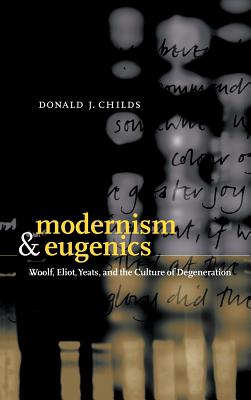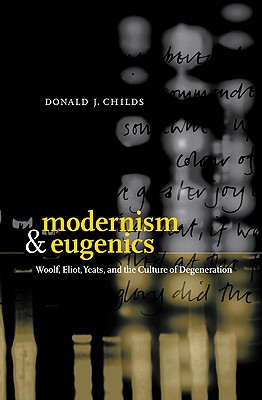
Modernism and Eugenics : Woolf, Eliot, Yeats, and the Culture of Degeneration
Book Details
Format
Paperback / softback
ISBN-10
0521033306
ISBN-13
9780521033305
Publisher
Cambridge University Press
Imprint
Cambridge University Press
Country of Manufacture
GB
Country of Publication
GB
Publication Date
Jan 25th, 2007
Print length
276 Pages
Weight
413 grams
Dimensions
22.80 x 15.20 x 1.70 cms
Product Classification:
Literary studies: c 1900 to c 2000Literary studies: from c 1900 -
KSh 7,900.00
Currently unavailable
0 in stock
Delivery Location
Delivery fee: Select location
Secure
Quality
Fast
This book, first published in 2001, shows how Woolf, Eliot and Yeats believed in eugenics, the science of race improvement, and adapted this scientific discourse to the language of the modern imagination. He traces the impact of eugenics on such modernist works as Mrs Dalloway, The Waste Land and Yeats's late poetry and plays.
In Modernism and Eugenics, first published in 2001, Donald Childs shows how Virginia Woolf, T. S. Eliot and W. B. Yeats believed in eugenics, the science of race improvement and adapted this scientific discourse to the language and purposes of the modern imagination. Childs traces the impact of the eugenics movement on such modernist works as Mrs Dalloway, A Room of One's Own, The Waste Land and Yeats's late poetry and early plays. The language of eugenics moves, he claims, between public discourse and personal perspectives. It informs Woolf's theorization of woman's imagination; in Eliot's poetry, it pictures as a nightmare the myriad contemporary eugenical threats to humankind's biological and cultural future. And for Yeats, it becomes integral to his engagement with the occult and his commitment to Irish Nationalism. This is an interesting study of a controversial theme which reveals the centrality of eugenics in the life and work of several major modernist writers.
Get Modernism and Eugenics by Donald J. Childs at the best price and quality guaranteed only at Werezi Africa's largest book ecommerce store. The book was published by Cambridge University Press and it has 276 pages.
Customers Who Bought This Also Bought
Dreams in a Time of War
KSh 3,050.00
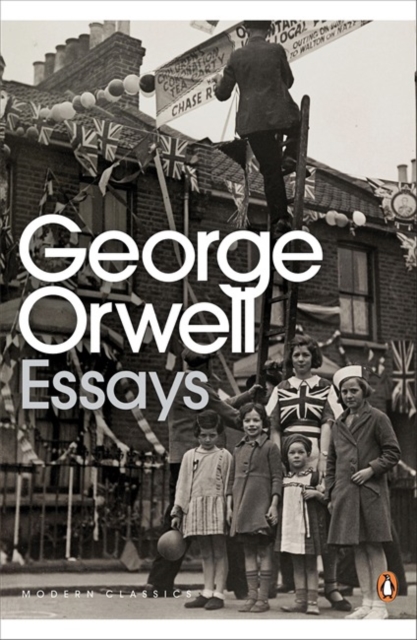
Modern Classics Penguin Essays of George Orwell
KSh 2,700.00
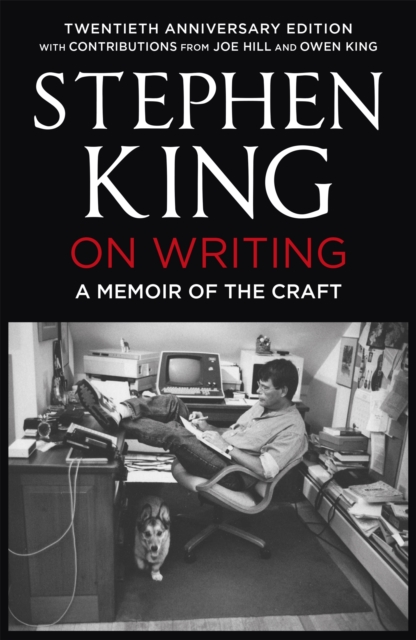
On Writing
KSh 2,000.00

To the Lighthouse
KSh 1,450.00
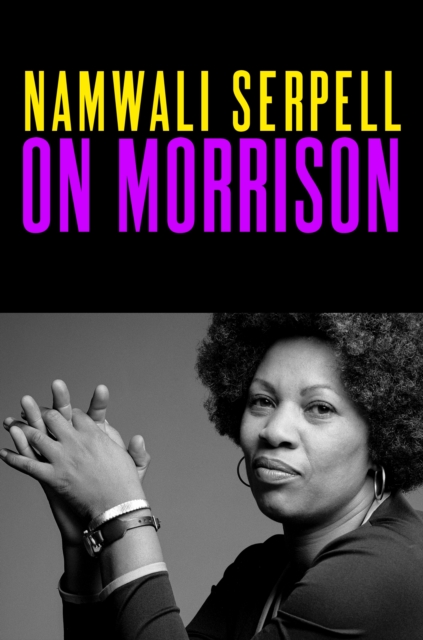
On Morrison
KSh 4,500.00

Africa''s Tarnished Name
KSh 700.00
C. S. Lewis
KSh 1,800.00

Life in Letters
KSh 5,400.00

By Grand Central Station I
KSh 1,800.00
Wide Sargasso Sea
KSh 1,800.00

Mom and Me and Mom
KSh 2,000.00
Jorge Luis Borges
KSh 1,800.00